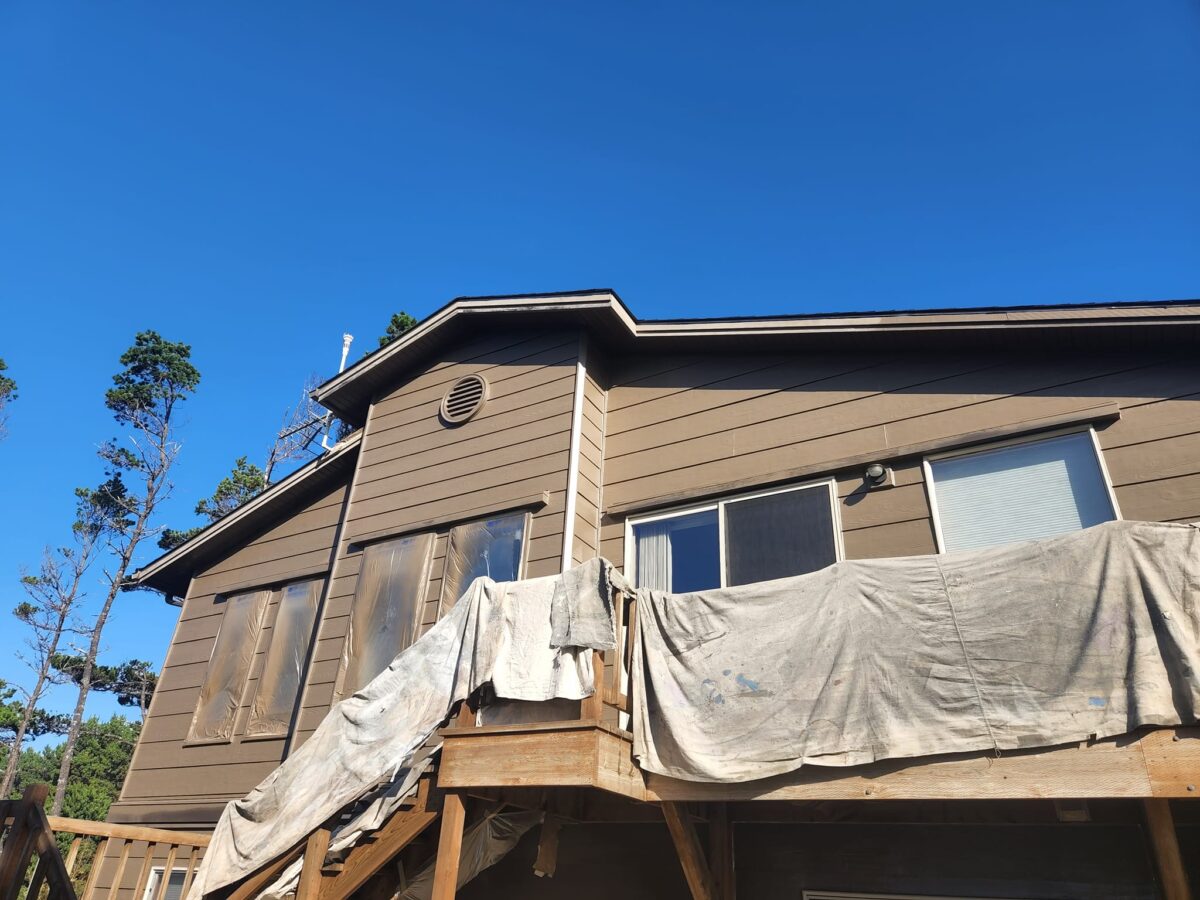
Peeling, Cracking, or Bubbling Paint: These indicate the paint is failing to adhere to the surface and is no longer providing protection.
Fading Color: A significant change in color shows that the paint has been damaged by UV rays and weather.
Stains and Discoloration: Stubborn water stains, mold, or mildew that can’t be washed off suggest the paint has lost its protective qualities.
Chalking: When the paint disintegrates, it leaves a fine, chalky powder on your hands when you touch the surface.
Deteriorating Caulking: Cracks in the caulking around windows and trim can allow moisture to seep in, causing damage.
Visible Gaps: Gaps or shrinking wood can indicate movement in the structure, and damaged paint can’t adequately protect these areas.
If any of these symptoms describe the exterior finish of your house, you’re going to need a new paint job to protect your investment. Call Mike 541-497-3804
Accent walls are back—and bolder than ever. In 2025, homeowners are embracing statement-making walls that add personality, depth, and drama to their spaces. Whether you’re working with a cozy nook or a sprawling living room, a well-chosen accent wall can elevate the entire vibe of a home.
🎨 Why Accent Walls Work
Accent walls create visual interest by breaking up monotony and drawing the eye to a focal point. They’re perfect for:
Highlighting architectural features like fireplaces or built-ins
Defining open-concept spaces
Adding depth to small rooms
Expressing personal style without overwhelming a space
🌈 Trending Sherwin-Williams Colors for Accent Walls
1. Naval SW 6244 A timeless navy that adds richness and sophistication. Ideal for dining rooms, bedrooms, or behind a gallery wall.
2. Urbane Bronze SW 7048 Earthy and dramatic, this deep brown-gray creates a cozy, grounded feel. Perfect for home offices or living rooms.
3. Redend Point SW 9081 Warm and inviting, this blush-beige adds subtle charm. Great for bedrooms or entryways.
4. Evergreen Fog SW 9130 A calming green-gray that pairs beautifully with natural textures. Use it in bathrooms or reading corners.
5. Iron Ore SW 7069 Bold and modern, this charcoal hue makes a powerful statement. Try it behind a bed or on a fireplace wall
🖌️ Pro Tips for Creating Accent Walls That Wow
Choose the right wall: Pick a wall that naturally draws attention—behind a bed, sofa, or fireplace.
Balance with neutrals: Let your accent wall shine by keeping surrounding walls and decor more subdued.
Play with texture: Consider matte finishes, shiplap, or wallpaper for added dimension.
Use lighting to your advantage: Accent walls pop under good lighting—think sconces, pendant lights, or natural light
Like the idea but not the work associated with it? All Mike 541-497-3804
Choosing the right drop cloth is an important consideration for any painting project. More than just a protective layer, your drop cloth can impact safety, cleanup time, and the overall quality of your work. Knowing the pros and cons of each type will help you select the best fit for your needs.
1. Canvas drop cloths
The workhorse of the painting world, canvas is the go-to material for many professionals.
Pros
Durable and reusable: A high-quality canvas drop cloth can last for years, making it a sustainable and cost-effective investment in the long run.
Absorbent: Canvas soaks up paint drips and spills, preventing them from spreading and being tracked through your home.
Slip-resistant: Its heavy, textured cotton material provides a stable, non-slip surface underfoot, reducing the risk of accidents.
Drapes well: The weight of the canvas allows it to conform to the shape of furniture and floors, ensuring fewer gaps and better coverage.
Cons
Cost: Canvas has a higher initial price tag than disposable options.
Not waterproof (unless treated): Untreated canvas is absorbent, but it won’t stop a heavy spill from eventually seeping through to the surface below.
Heavy and bulky: Larger canvas cloths can be heavy and difficult to move and store, especially once they are covered in dried paint.
2. Plastic drop cloths
For a quick and easy solution, plastic drop cloths are a popular choice, especially for one-time or light-duty jobs.
Pros
Inexpensive: Plastic sheeting is the most budget-friendly option and is widely available.
Waterproof: It provides a completely waterproof barrier against spills, protecting surfaces from any leaks.
Lightweight: Easy to handle, tape, and drape over furniture.
Disposable: Perfect for messy jobs—simply fold it up and throw it away when you’re done.
Cons
Slippery: Plastic is known for being slippery, creating a potential safety hazard on floors.
Prone to tearing: Thin plastic can easily rip or puncture, leaving your floors and furniture vulnerable.
Doesn’t absorb: Since it doesn’t absorb paint, spills can pool and be smeared around, creating a larger mess.
Environmental impact: As a single-use product, it contributes to landfill waste.
3. Butyl drop cloths
A favorite among painting professionals, butyl drop cloths offer the best of both worlds.
Pros
Absorbent and leak-proof: These cloths feature a top layer of absorbent canvas and a thick, leak-resistant poly or butyl backing. This stops spills from seeping through while preventing them from spreading.
Slip-resistant: The coated underside provides excellent traction, making it much safer to use on hard, slippery floors.
Durable and reusable: Built for heavy-duty use, butyl cloths can be washed and reused for many projects.
Reduces tracking: The absorbent top layer prevents you from tracking wet paint across the floor.
Cons
Higher cost: Butyl drop cloths are more expensive than standard canvas or plastic options.
Bulkier and heavier: The layered material makes these cloths heavier and bulkier to transport and store.
Paper drop cloths
Best for: Protecting against minor paint drops and dust, or for covering baseboards and trim.
Good to know: A disposable and eco-friendly option compared to plastic, but it is not leak-proof and tears easily.
Fabric drop cloths
Best for: Light-duty painting tasks and DIY projects.
Good to know: These are a more economical, disposable alternative to canvas, but less absorbent and durable.
How to choose the right drop cloth for your project
Scenario
Best choice
Why?
Professional painting job
Butyl or heavy-duty canvas.
Superior protection, durability, and safety, especially on hard floors.
DIY project with occasional painting
Canvas.
A reusable, absorbent, and reliable investment that won’t break the bank.
Quick, one-time touch-ups
Plastic sheeting.
Affordable and disposable, perfect for a fast, low-mess job.
Covering furniture
Lightweight plastic sheeting.
It’s easy to drape and tape in place, keeping furniture dust-free and protected from light splatter.
Working on stairs
Non-slip canvas.
Specialty options with rubber nubs on the underside prevent slipping and hold securely.
Outdoor projects
Heavy-duty canvas or thick plastic.
Canvas won’t blow away, while thick plastic is ideal for covering landscaping.
Of course, the preferred option is to know someone who has lots of professional grade drop cloths, the Paint Doctor. We bring the protection and everything else needed for first rate paint job. Call the Doctor 541-497-3804.
Koral Kicks SW 6610 is the Sherwin-Williams’ Color of the Month. A color that’s equal parts serene and free-spirited, with an orange undertone that proves quiet, vibrant colors can be just as timeless as traditional neutrals.
According to Emily Kantz of Sherwin-Williams, “Shades like Koral Kicks inspire you to embrace your eclectic side and bring your daydreams to life.”
This accessible yet vibrant shade takes a relaxed approach to color. By keeping things subtle and understated, hushed corals allow homeowners to introduce a layer of personality to their spaces without feeling too loud or overwhelming. It pairs effortlessly with cooler neutrals, delivering a cohesive and polished element to any application. It offers the perfect backdrop for curated styling.
Urethane coatings are known for their excellent resistance to abrasions, chemicals, and UV exposure, making them ideal for both indoor and outdoor applications. They come in different finishes—glossy, satin, or matte—giving you versatility in achieving your desired aesthetic.
Preparation Is Everything
Before dipping your brush or sprayer into urethane, take time to prepare the surface:
Clean Thoroughly: Remove dirt, grease, and old finishes to ensure proper adhesion.
Sand Smoothly: Lightly sand the surface for better grip and wipe away dust with a tack cloth.
Prime If Necessary: Depending on the material, a primer may enhance adhesion and uniformity.
Application Techniques
Applying urethane requires patience and precision:
Use the Right Tools: A high-quality brush or foam applicator works well for smaller projects, while a spray gun ensures even coverage for larger areas.
Thin, Even Coats: Apply multiple thin layers rather than one thick coat to avoid drips and uneven drying.
Watch the Dry Time: Allow each coat to cure properly before adding another—this prevents bubbling or tackiness.
Ventilate the Area: Urethane contains strong solvents, so good airflow helps prevent inhalation hazards and speeds up drying.
Troubleshooting Common Issues
Bubbles in the Finish? Apply slowly, avoid excessive shaking of the product, and ensure a dust-free environment.
Sticky Surface? Check humidity levels and allow additional drying time between coats.
Uneven Coverage? Use light sanding between coats and maintain consistent application strokes.
Protecting Your Work
Once fully cured, urethane forms a tough, resilient barrier—but it still benefits from proper maintenance. Clean gently with non-abrasive cleaners and avoid harsh scrubbing that may dull the finish over time.
A well-applied urethane coating transforms surfaces with durability and elegance. With the right preparation and technique, your project will look professionally finished and stand the test of time.
When it comes to boosting your home’s curb appeal, few things make as big an impact as a fresh coat of exterior paint. But diving into an exterior painting project without proper planning can lead to unnecessary headaches. Whether you’re a seasoned DIYer or enlisting the pros, here’s a roadmap to help you prepare and execute your exterior painting venture with ease.
Step 1: Assess Your Exterior’s Condition
Before picking up a paintbrush, take a good look at your home’s exterior. Is there peeling paint, mold, or mildew? Are there areas that need repair? Address these issues first so you’re working with a clean and solid surface. This is also the time to decide whether power washing is needed to remove dirt, grime, and old paint.
Step 2: Choose the Right Paint
Not all paints are created equal. Exterior paints must withstand weather conditions like rain, sunlight, and temperature changes. Look for high-quality, durable paints made for outdoor use. Consider the following:
Paint type: Acrylic paints are popular for their flexibility and durability.
Finish: Flat, satin, or gloss—the finish affects appearance and performance.
Color: Test color samples and envision how they complement the rest of your home.
Step 3: Gather Supplies
Make a list of everything you’ll need:
Brushes and rollers
Drop cloths
Tape
Ladder or scaffolding
Primer (if needed) Having all your supplies on hand ensures a smooth workflow, saving time and stress.
Step 4: Prep Your Surfaces
Proper preparation is the cornerstone of a successful paint job. This includes:
Scraping off old paint
Sanding rough spots
Filling cracks or holes with caulk
Priming, if necessary, to ensure paint adheres evenly and lasts longer
After making repairs, prime all repaired or raw wood areas.
Step 5: Plan Around Weather
Painting in unfavorable conditions can lead to poor results. Pick a time when the forecast predicts mild weather—cool temperatures and low humidity are ideal. Avoid rainy or excessively hot days.
Step 6: Budget Wisely
Exterior painting can range from affordable to pricey depending on the size of your home and the materials used. If hiring professionals, get several quotes and ensure the price includes labor, materials, and clean-up.
Step 7: Safety First
Painting the exterior often involves heights. Ensure your ladder or scaffolding is stable, and wear appropriate gear. If you’re uncomfortable with this, don’t hesitate to call us for help, 541-497-3804.
Step 8: Take Your Time
Rushing through the process can result in uneven paint or missed areas. Work methodically and give yourself time for drying between coats.
A successful exterior painting project is all about preparation and thoughtful execution. By following these steps, you’ll create a long-lasting finish that enhances your home’s beauty and value. Ready to transform your space one brushstroke at a time? Happy painting!
According to the color experts at Sherwin-Williams, “It’s not always warm or cool. Sometimes color falls in the middle for a hue that’s a perfect blend of both. Neutrals can take on the meaning of the colors they’re paired with or they can stand on their own. Either way, these transitional hues are tried and true thanks to their timeless appeal and versatility.”
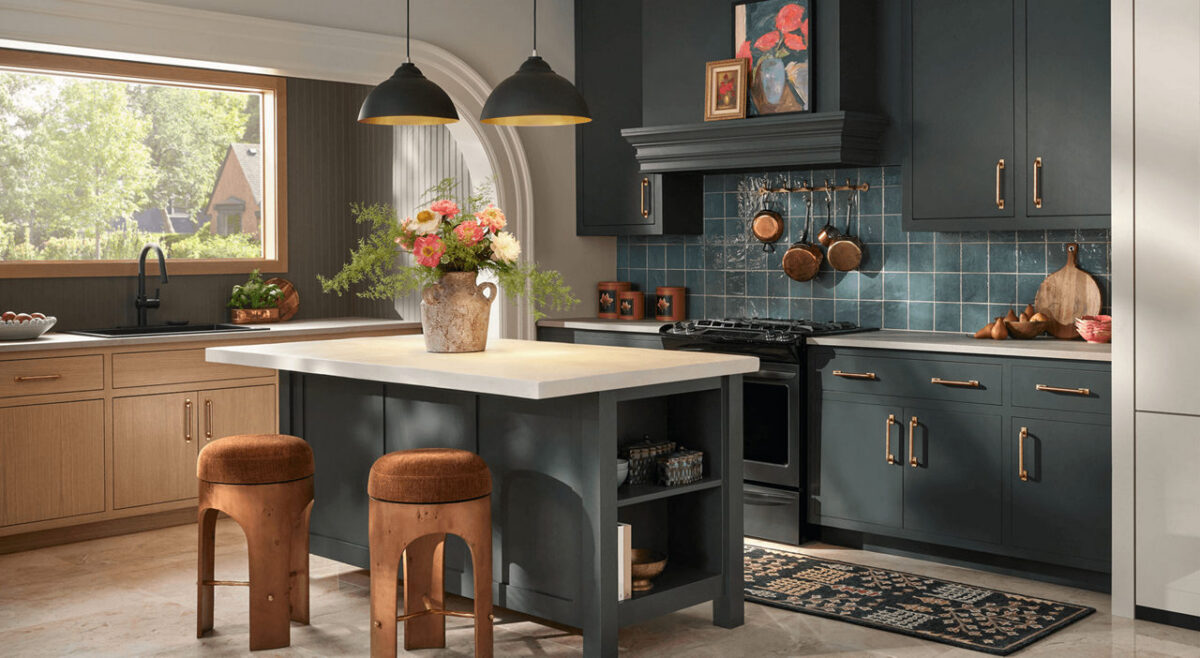
An air of mystery surrounds this bold hue that’s commonly associated with power, elegance and an ability to coordinate with any design style. While this color is most often used as an accent, we’re starting to see it take center stage in newer design trends. Dark shades are working their way into our homes more and more to create a space that’s rich, dramatic and full of dimension. Create a contemporary look by pairing black with rich jewel tones or play up its softer side with natural wood tones and neutral furnishings.It’s technically the absence of color, but when it comes to white, there’s more than meets the eye. Known for its light and innocence, this hue can often be viewed as simple, but a variety of tints and tones proves there’s more complexity than you’d think. Bright whites can help design a space that feels larger and spacious, while softer whites create a sense of warmth and coziness. No matter which way it’s used, this neutral provides a backdrop for endless options.The conservative nature of this balanced shade infuses spaces with the mystery of black and the lightness of white. Lighter shades of gray can be used to achieve bright modern looks, whereas darker shades can be used to create a bolder space that’s more dramatic, but gray’s versatility doesn’t stop there. It comes in a variety of shades with undertones ranging from red to blue and everything in between.Rounding out the warm end of the neutral spectrum is a nurturing hue that comes in a variety of tints and tones. Like its gray counterpart, beige is a great transitional color that can take on warm or cool depending on what’s surrounding it. Its natural warmth derives from brown undertones that capture the comfort and calmness that we all seek in a home.
Whatever your color choice, we can apply with all of the expert care and preparation a long-lasting paint job requires. Call the Paint Doctor 541-497-3804
The color experts at Sherwin-Williams describe cool colors: “What comes to mind when we think of cool colors? Whether it’s a serene lake or a clear sky, cooler hues are often associated with feelings of calmness, relaxation, and tranquility. They’re a softer option that can make a space feel larger thanks to the way they make color look like it’s receding.”
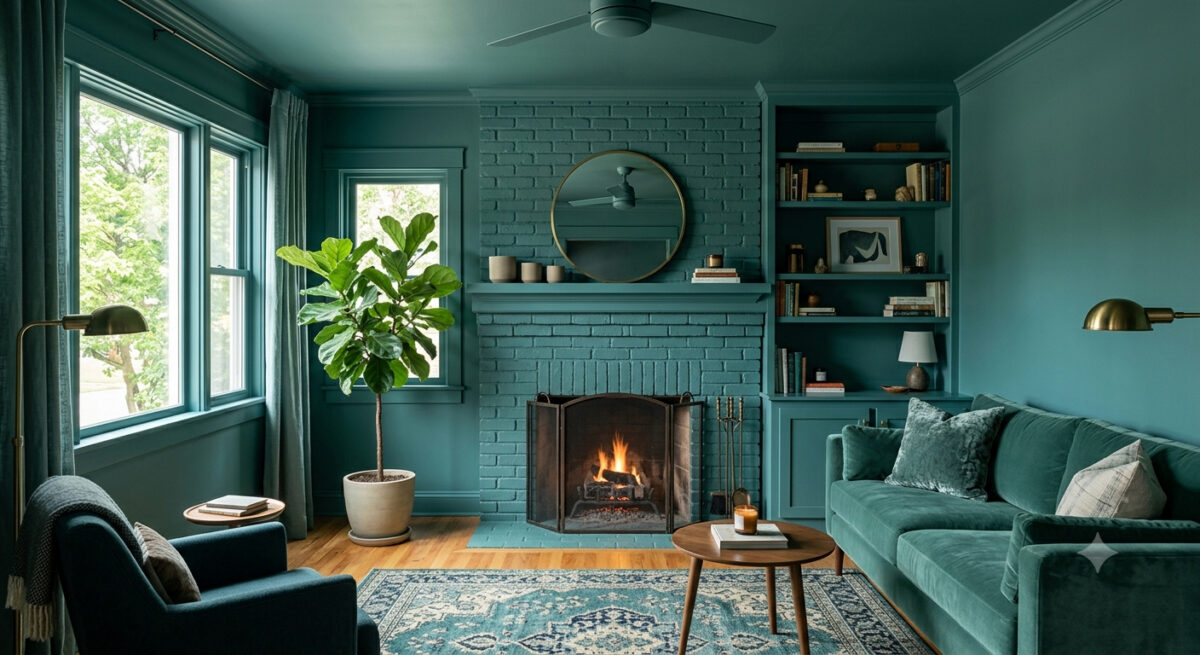
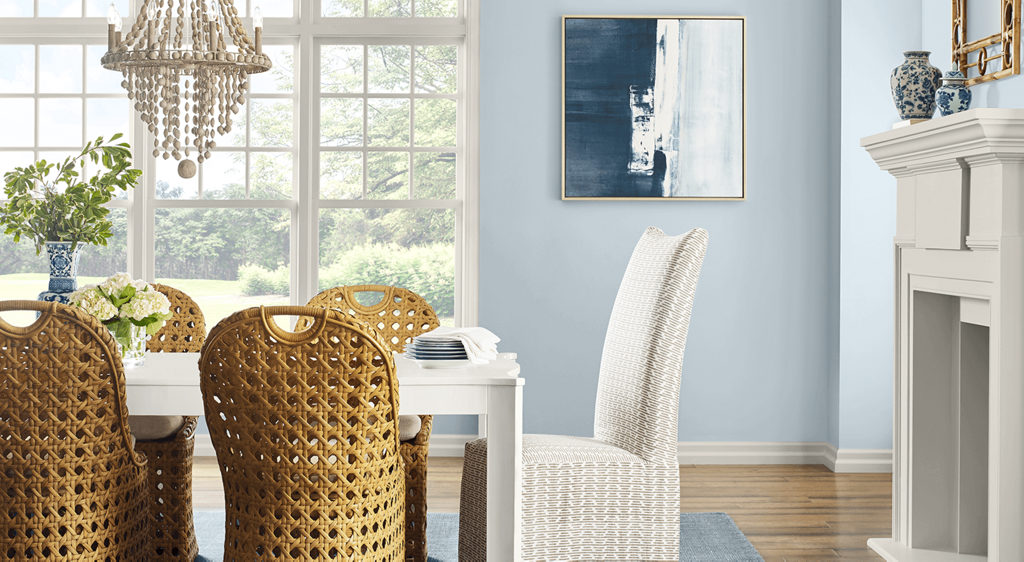
Green Mixed with the calming nature of blue and vibrancy of yellow, green is a color embodying balance and harmony. This down-to-earth hue is just as diverse as the nature it’s inspired by. Soft sea-greens can bring a restorative energy into a space, while deep olive tones can add depth and stability that feels anchored to the ground. Consider using deep greens to emphasize features you want to stand out like kitchen cabinets.Blue It’s the color of trust and tranquility. Blue is just as refreshing and friendly as it is reserved and sophisticated. It’s representation of sea and sky closely ties to open spaces where inspiration and imagination flourish. Soothing shades of dusty blue create a sense of serenity, while midnight shades of navy can add depth and drama. Blue’s universal energy makes it a hue that works anywhere.Purple Like green, purple embodies the characteristics of the colors it’s made of. The energy of red and tranquility of blue result in a hue that’s rooted in imagination and poise. With the ability to be both calming and uplifting, purple is an ideal choice for spaces where you seek creative energy and focus. Try this distinguished color in a home office or as an accent wall in a meditation space.
Warm, cool or neutral, we have you covered. Do it right the first time with the Paint Doctor! 541-497-3804
According to Sherwin-Williams.com, “With blue and green tones on the rise, Slow Green captures the essence of two popular color families within its balanced undertone. It has a subtle demeanor that lets you push the envelope of color exploration without feeling overwhelmed by bold, maximalist shades. Instead, this lively hue feels refreshing and buildable in accordance with their interior styles.”
Perfect for the places and spaces where you like to relax and unwind.