Chemical Exposure for DIY Painters

Painting your home can be a rewarding project, but many DIY painters overlook the potential health risks of chemical exposure. Paints, primers, and cleaning solvents contain volatile organic compounds (VOCs) and other hazardous substances that, when inhaled or absorbed, can lead to serious health issues.

Common Chemical Risks in Painting

  1. Volatile Organic Compounds (VOCs) – Found in oil-based paints, primers, and thinners, VOCs can cause headaches, dizziness, and respiratory irritation. Long-term exposure may lead to organ damage.
  2. Lead-Based Paint – Older homes (built before 1978) may contain lead paint, which can cause neurological damage if sanded or scraped without proper precautions.
  3. Mold & Mildew Resistant Chemicals – Some paints contain antimicrobial agents that may irritate skin and lungs if not handled properly.
  4. Solvent-Based Cleaners – Paint removers and degreasers often contain harmful solvents like acetone or methylene chloride, which can affect the nervous system.

How to Stay Safe While Painting

  • Choose Low-VOC or Water-Based Paints – These are safer alternatives with fewer harmful fumes.
  • Ventilate the Area – Always work in well-ventilated spaces with open windows or fans to disperse fumes.
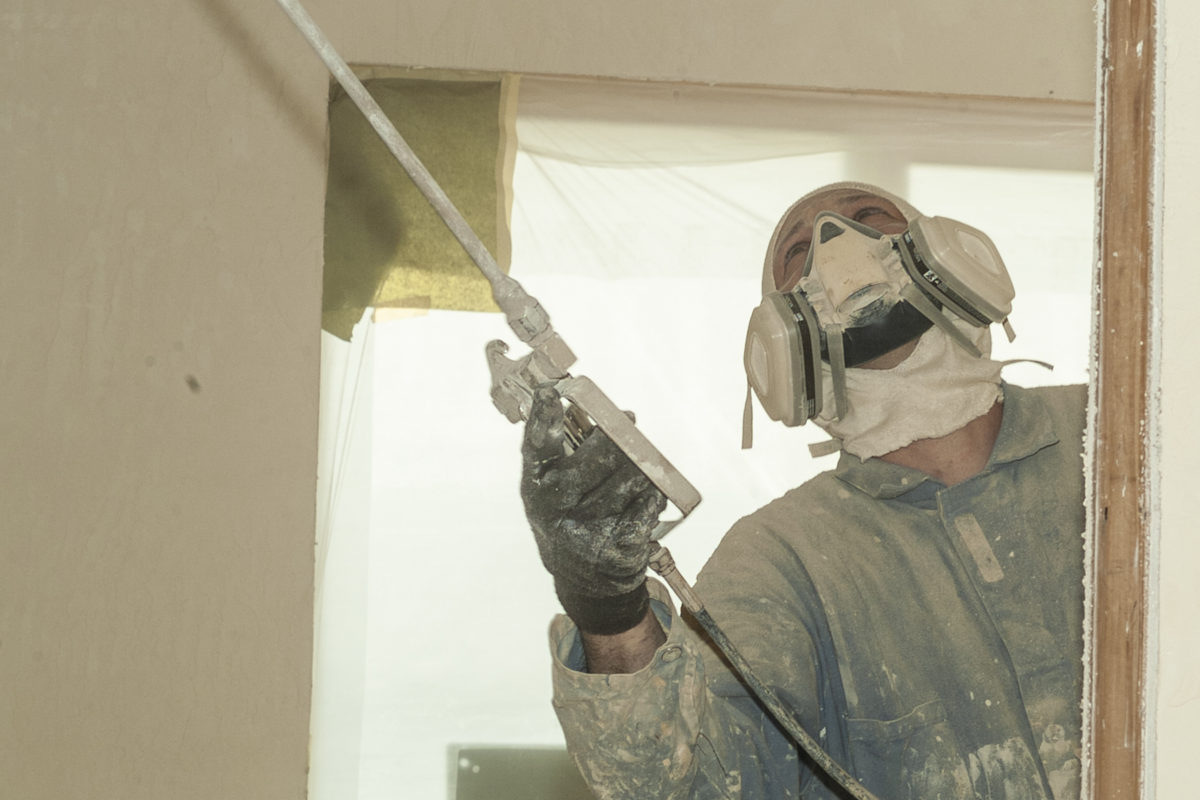
  • Wear Protective Gear – Use gloves, masks, and safety goggles to limit skin and inhalation exposure.
  • Avoid Eating or Drinking Near Paints – Prevent accidental ingestion of harmful substances.
  • Properly Dispose of Paint & Chemicals – Follow local regulations for disposing of hazardous materials responsibly.

Painting is a great DIY project, but safety should always come first. Protect yourself and your home by being mindful of chemical exposure risks. The very best way to avoid hidden chemical exposure is to hire the professionals at Paint Doctor’s Painting Service, 541-497-3804

When Is the Best Time to Paint Your House?

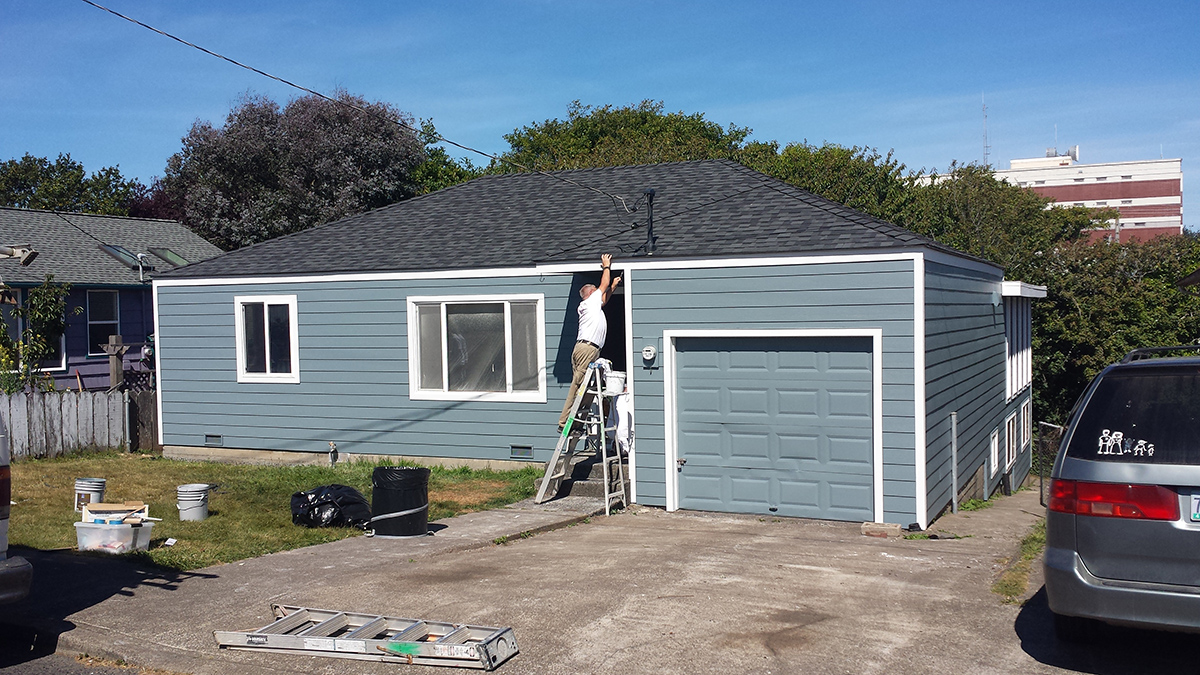
Painting your home is a major investment, and timing plays a crucial role in achieving a flawless finish that lasts. Choosing the right season, temperature, and weather conditions can make all the difference. Here’s what homeowners should consider when planning their painting project.

Factors That Affect Paint Performance

  1. Temperature Matters – Paint dries best between 50°F and 85°F (10°C–30°C). Too cold, and the paint won’t adhere properly; too hot, and it may dry too fast, leading to cracks.
  2. Humidity Levels – High humidity can slow down drying time and cause paint to bubble. A dry climate ensures a smoother application.
  3. Sunlight Exposure – Direct sunlight can cause paint to dry unevenly, leading to streaks. It’s best to paint in the shade or during cooler parts of the day.
  4. Rain Risk – Painting in rainy conditions or right before rainfall can wash away fresh paint. Always check the forecast!

Best Seasons to Paint Your House

  • Spring – Our Willamette Valley springs can be very wet so timing exterior paint takes some experience.
  • Summer (With Caution) – If temperatures stay within the optimal range, summer can be great. Just avoid extreme heat and direct midday sun.
  • Early Fall – With moderate temperatures and less humidity, can be ideal for exterior painting.
  • Winter (Not Ideal) – Cold temperatures prevent proper drying, so exterior painting is best avoided unless using specialized cold-weather paints.

Final Tips for a Successful Paint Job

  • Choose a wind-free day to prevent debris from sticking to wet paint.
  • Start early in the morning or late afternoon to avoid peak heat.
  • Ensure at least 24 hours of dry weather after painting for the best results.

By selecting the right time to paint, homeowners can achieve a durable, long-lasting finish.

Of course, when you hire the Paint Doctor’s Painting Service, we take care of all of these details. 541-497-3804

The Curb Appeal of Fresh Paint

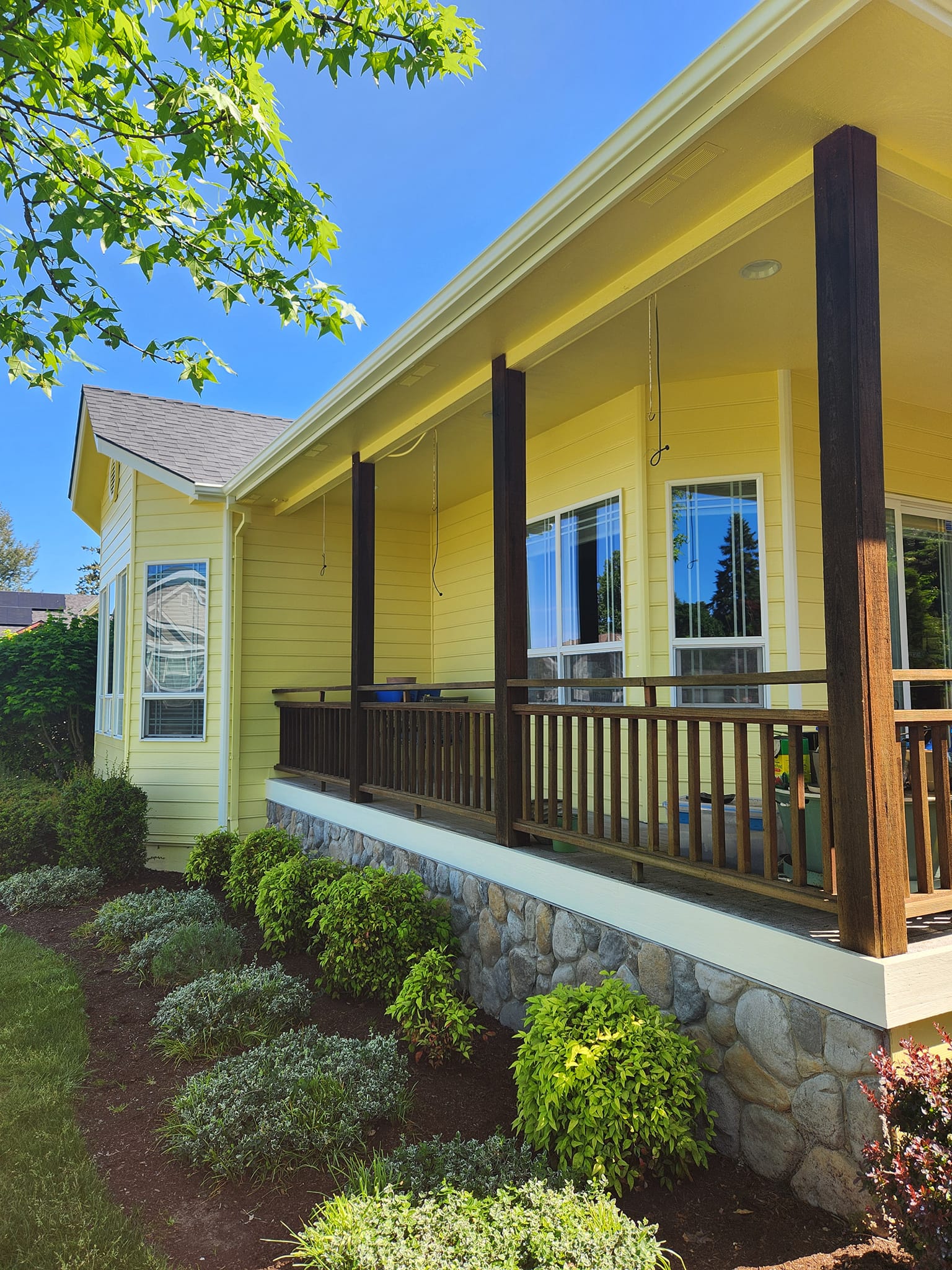
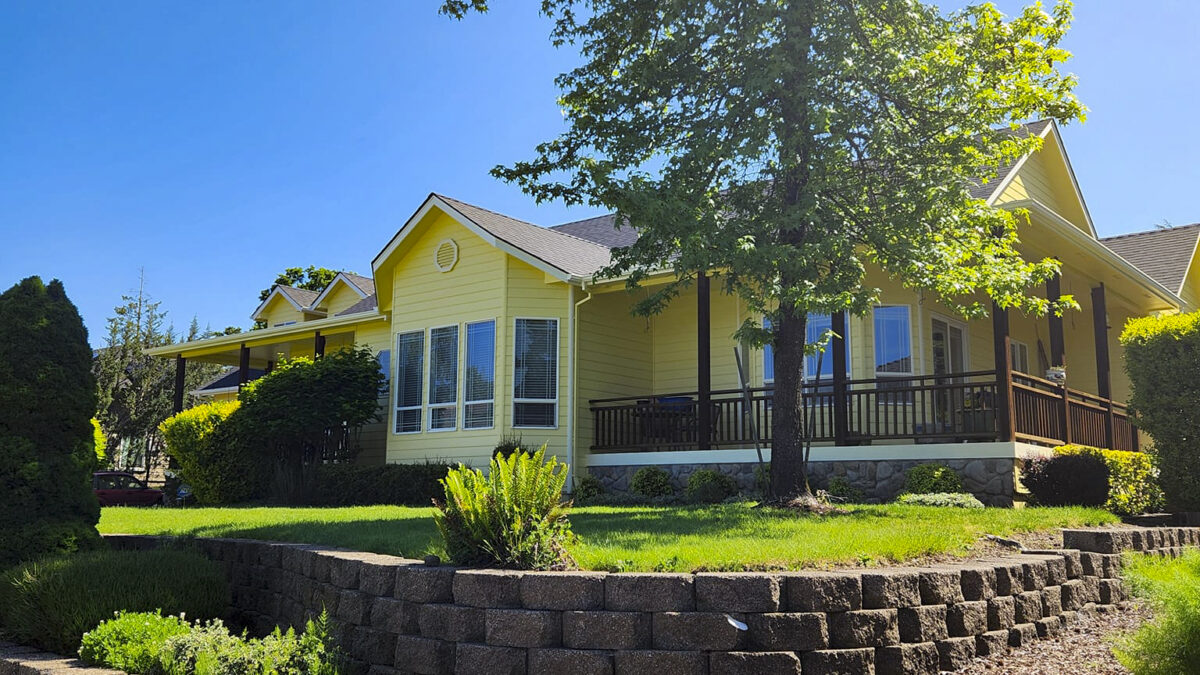
First impressions matter—especially when it comes to your home’s curb appeal. Whether you’re looking to increase property value, attract potential buyers, or simply take pride in your residence, a fresh exterior paint job can completely transform the way your home is perceived.

The Power of a Fresh Coat

Over time, exposure to the elements can make exterior paint fade, crack, or peel. A new paint job instantly revitalizes your home, giving it a clean, polished look that makes it stand out in the neighborhood.

Benefits of a Well-Painted Exterior:

  • Boosts Property Value – Homes with updated exteriors tend to sell faster and at higher prices.
  • Enhances Visual Appeal – A fresh color scheme can modernize your home and complement its architecture.
  • Protects Against the Elements – High-quality paint acts as a barrier against moisture, UV rays, and other environmental factors that can cause damage.

Choosing the Right Color

Selecting the perfect exterior color is key to maximizing curb appeal. Neutral tones like greys, beiges, and whites provide timeless elegance, while deeper hues like navy or forest green add sophistication. Want a pop of personality? A bold front door can make a memorable statement.

A Small Investment with Big Results

Refreshing your home’s exterior paint is one of the most cost-effective ways to enhance curb appeal. It’s a project that makes an immediate impact while protecting your home for years to come.

If your home’s exterior is looking tired, a fresh coat of paint could be the perfect solution. Ready to transform your curb appeal?

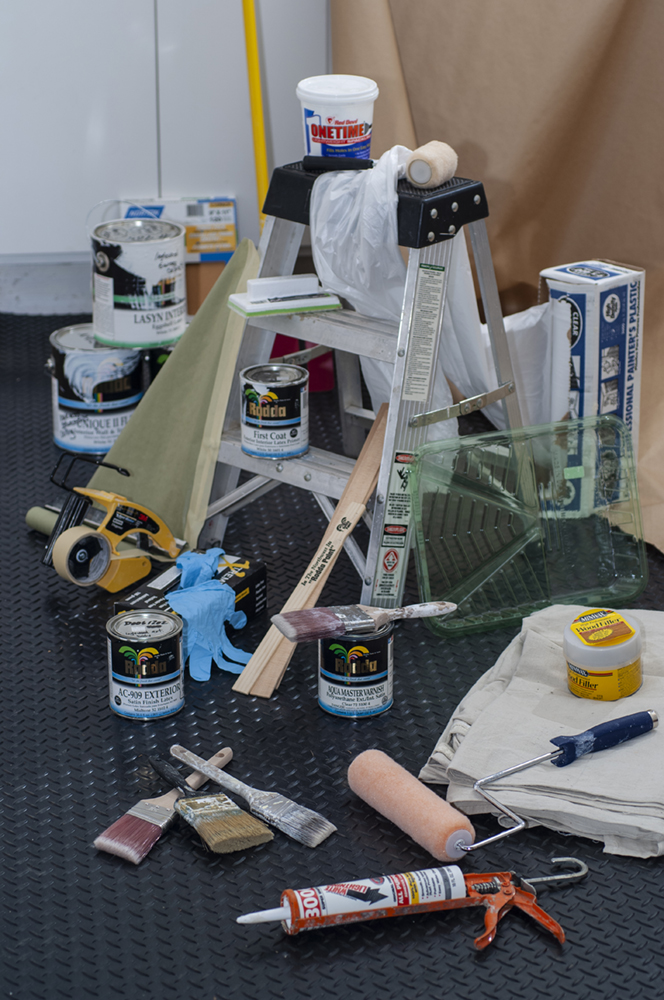
Must-Have DIY Painting Supplies

Paint – Choose the right type and finish for your project.

Paint Rollers & Brushes – Rollers for large surfaces, brushes for detailed work.

Painter’s Tape – Helps create clean edges and protects trim.

Drop Cloths or Plastic Sheets – Keeps floors and furniture paint-free.

Paint Tray – Holds paint for easy roller loading.

Sandpaper or Sanding Block – Preps surfaces for a smooth finish.

Stir Sticks – Ensures even color consistency.

Putty & Putty Knife – Repairs holes and imperfections before painting.

Primer – Helps paint adhere better and last longer.

Gloves & Mask – Protects hands and lungs during the job.

Of course, you don’t need any of this stuff if you give us a call: 541-497-3804

Paint Rollers

When you think about painting, the first tool that comes to mind might be the trusty brush, but let’s take a moment to appreciate the real workhorse of the painting world—the paint roller. If you’re tackling a large surface, nothing beats the efficiency, coverage, and smooth finish that a well-chosen roller can provide.

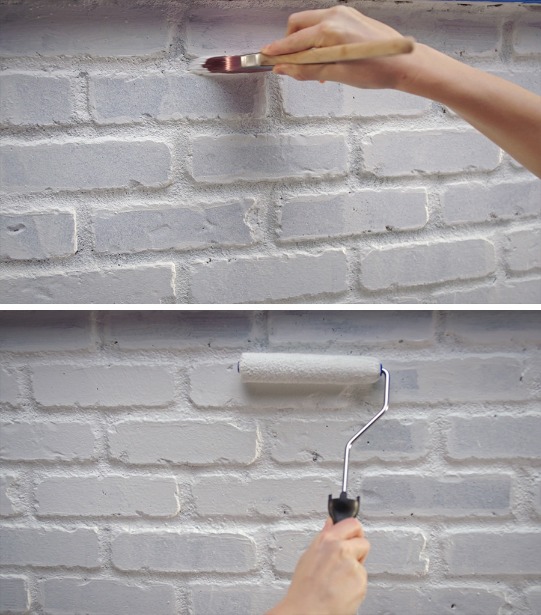
The Paint Doctor describes the benefits of using a paint roller
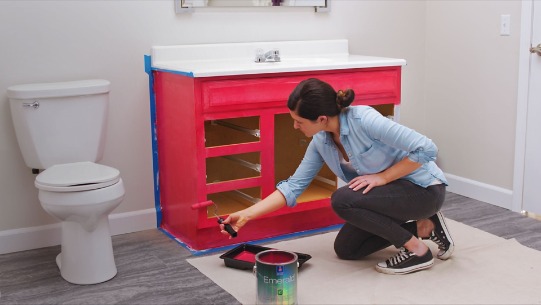
Some DIY projects require brushes and rollers.

Why Paint Rollers Matter

Paint rollers are designed to hold and distribute paint evenly, making them the perfect tool for painting walls, ceilings, and other broad surfaces. They reduce streaks, help you work faster, and can even add texture when used creatively.

Choosing the Right Roller

Not all rollers are created equal. Here’s a quick guide to help you pick the perfect one:

  • Foam Rollers – Ideal for ultra-smooth surfaces and glossy finishes.
  • Nap Rollers – Available in different thicknesses (or “nap” sizes). A thicker nap (like ¾”) is great for textured walls, while a thinner nap (like ¼”) works best on smooth surfaces.
  • Microfiber Rollers – Perfect for minimal splatter and maximum coverage, making them a favorite for DIY painters.

Pro Tips for Using a Paint Roller

  1. Load Properly – Roll it in the tray and make sure it’s evenly coated but not dripping.
  2. Use the “W” Technique – Start by rolling in a “W” shape to distribute the paint, then fill in the gaps.
  3. Avoid Over-Rolling – Too many strokes over the same spot can leave unwanted texture or uneven coverage.
  4. Keep It Clean – Rinse your roller after use and store it properly for future projects.

Elevate Your Painting Game

A great roller can make all the difference in your painting experience. Whether you’re revamping a room or tackling a big project, choosing the right roller ensures a smooth, professional-looking finish with minimal effort.

So next time you’re gearing up for a paint job, don’t underestimate this unsung hero—your walls will thank you!

Of course, you can avoid all of the hassles of rollers, brushes and sprayers by giving us a call, 541-497-3804

Applying Urethane

Why Choose Urethane?

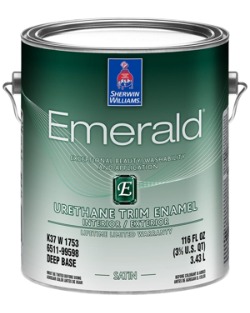
Urethane coatings are known for their excellent resistance to abrasions, chemicals, and UV exposure, making them ideal for both indoor and outdoor applications. They come in different finishes—glossy, satin, or matte—giving you versatility in achieving your desired aesthetic.

Preparation Is Everything

Before dipping your brush or sprayer into urethane, take time to prepare the surface:

  • Clean Thoroughly: Remove dirt, grease, and old finishes to ensure proper adhesion.
  • Sand Smoothly: Lightly sand the surface for better grip and wipe away dust with a tack cloth.
  • Prime If Necessary: Depending on the material, a primer may enhance adhesion and uniformity.

Application Techniques

Applying urethane requires patience and precision:

  • Use the Right Tools: A high-quality brush or foam applicator works well for smaller projects, while a spray gun ensures even coverage for larger areas.
  • Thin, Even Coats: Apply multiple thin layers rather than one thick coat to avoid drips and uneven drying.
  • Watch the Dry Time: Allow each coat to cure properly before adding another—this prevents bubbling or tackiness.
  • Ventilate the Area: Urethane contains strong solvents, so good airflow helps prevent inhalation hazards and speeds up drying.

Troubleshooting Common Issues

  • Bubbles in the Finish? Apply slowly, avoid excessive shaking of the product, and ensure a dust-free environment.
  • Sticky Surface? Check humidity levels and allow additional drying time between coats.
  • Uneven Coverage? Use light sanding between coats and maintain consistent application strokes.

Protecting Your Work

Once fully cured, urethane forms a tough, resilient barrier—but it still benefits from proper maintenance. Clean gently with non-abrasive cleaners and avoid harsh scrubbing that may dull the finish over time.

A well-applied urethane coating transforms surfaces with durability and elegance. With the right preparation and technique, your project will look professionally finished and stand the test of time.

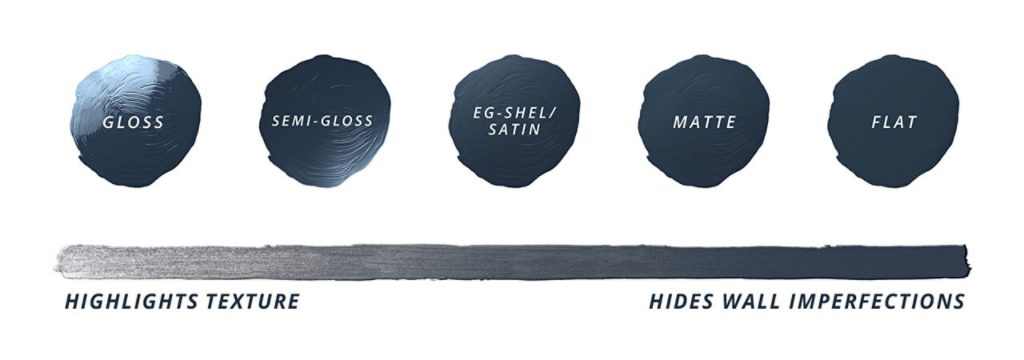
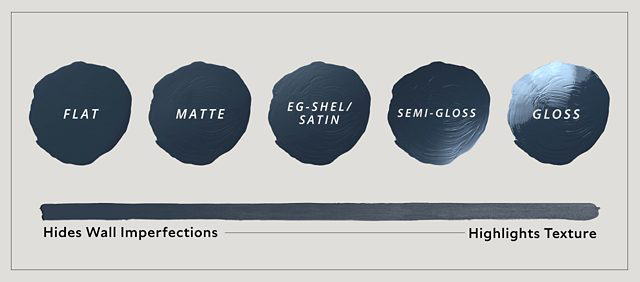
Sheen

You’ve finally narrowed down your paint colors, and now you must make another decision – it’s time to choose a sheen.


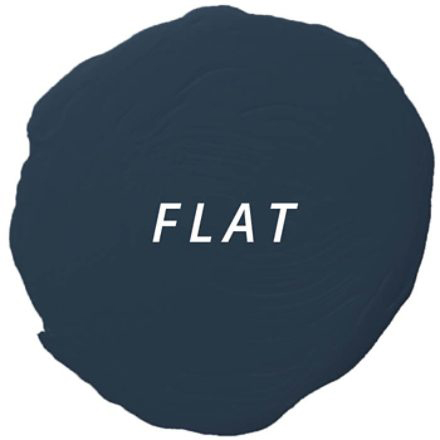
A non-reflective sheen that helps hide surface imperfections, making walls appear smooth. Visually this finish smooths walls that are dented or rough. However, it can be harder to clean. Best for:

Adult bedrooms
Formal Living Rooms
Ceilings
Uneven or textured walls
This flat finish is great for hiding surface imperfections, while its angular shine helps make walls smooth and washable. Use this sheen for:

Living rooms
Dining rooms
Exterior siding
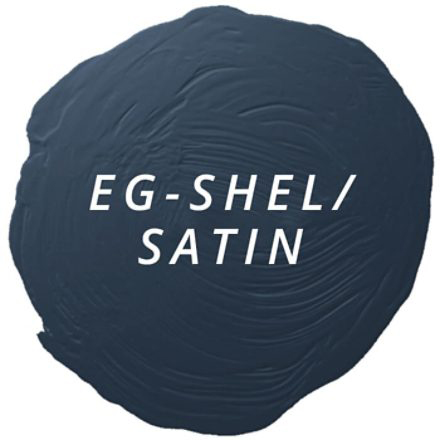
With a slight shine, Satin and Eg-Shel finishes offer a richer look. Washability makes these sheens ideal for high-traffic areas most likely to attract nicks and scuff marks such as:

Hallways
Woodwork
Children’s bedrooms
Family rooms
Exterior surfaces
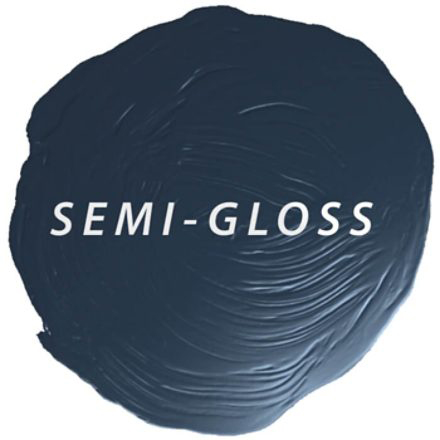
This moderately reflective, durable finish is perfect for areas that get cleaned frequently, such as:

Kitchens
Bathrooms
Utility area
Closet doors
Trim
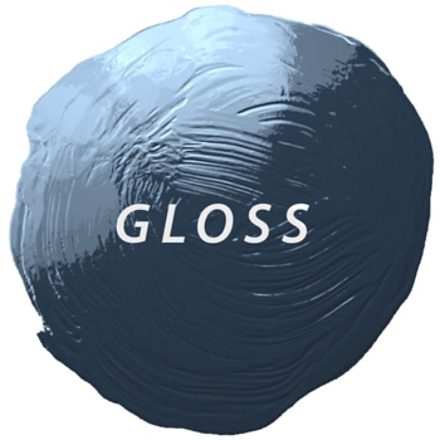
Gloss sheens have higher light-reflective characteristics. This shiny, durable finish works great for any element of a room you would like to highlight such as:
Wood trim
Cabinets
Doors
Furniture

If you have questions about choosing the sheen of paint to use for interior or exterior finishes, give us a call at 541-497-3804.

Naturally

We often use the term natural wood, which is the look we’re going for but in reality these projects need lots of professional care and product application to keep them looking natural for a long time.

Just like our painted finishes, a natural wood look needs UV protection to maintain the original color and it needs a seal coat to keep water and insect penetration from damaging the looks and the structural integrity. The type of seal coat for outdoor applications is critical. You have a lot invested in your natural wood project. Call the Paint Doctor to make sure it is properly protected, 541-497-3804.

Natural wood deck cover.

Barns and Other Out Buildings

All of the things we say about protecting the investment of your home applies to the protective covering for your outbuildings as well. Old, weathered barn wood might be just the thing for décor, but it’s probably not the best idea on the exterior of an actual working barn.

Barns can present unique challenges with hay lofts, hoist beams, lean-tos, breeze ways and attached fencing. We have the experience to handle these challenges . Call Mike for an estimate for your barn or outbuilding 541-497-3804.

Malted Milk

Staying with our spring theme of pastels, here is anther color by Sherwin-Williams, “Malted Milk’s soft shade can turn every day into a sweet escape. Couple this blushing beauty with cottagecore vibes to craft a home where little moments are romanticized.”

Bathroom with claw foot tub and pink trim.
Parlor with green tone fireplace and pink walls
House paint colors that go with pink