The Paint Doctor’s Prescription: Why Professional Painting is a Long-Term Investment for Your Property

A fresh coat of paint is often seen as a simple cosmetic update, but for savvy property owners, it’s a critical long-term investment. At Paint Doctor’s Painting, we view comprehensive painting as proactive maintenance—a vital benefits package for your building.

Protection Against the Elements

The primary function of a quality finish is protection. In environments like the Willamette Valley, constant weather fluctuations can significantly accelerate property deterioration. Our specialized coatings provide a durable barrier, safeguarding your structure from moisture intrusion and UV damage, thereby preventing premature aging.

The Power of Curb Appeal

Beyond financial defense, professional painting is a proven method to enhance your property’s curb appeal and market value. It is the single most cost-effective way to modernize your home, attracting potential buyers and maximizing your return.

A Partnership Approach

Whether it’s your primary residence, rental properties or a large commercial project, the “Paint Doctor” approach provides the speed, precision, and technical expertise to ensure a flawless, long-lasting finish, guaranteeing your investment is protected for years to come.

Call Mike 541-497-3804 to get started with a free consultation.

Orange Crush

“Oranges are friendly and welcoming, perfect in family rooms, children’s bedrooms or bonus rooms,” according to Sherwin-Williams.

Radiate warmth, happiness and rejuvenation with orange paint colors, ideal for gathering spaces of all ages. Orange colors are unique because they combine the uplifting energy of reds with the spirited tone of yellow, even offering a slight impact on appetite in the right setting.

Nice orange in the fall color scheme.
Like a bright autumn leaf just turned. Nice shade for a dining room or front door.
bedroom in muted orange

Hey Beaver Believers, there are lots of oranges to choose from!

Call us for an install of your OSU pride accent wall 541-497-3804

Protecting Your Investment: Why Retaining Employees and Maintaining Your Building Follow the Same Principle

Business owners understand better than anyone that an investment is only as strong as the effort you put into protecting it. When you hire and train employees, you’re not just filling a position — you’re building capability, culture, and long‑term value. That’s why companies offer benefits, create supportive environments, and work hard to retain the people they’ve invested in.

Interestingly, the same principle applies to your buildings.

Just as you protect the investment you’ve made in your team, weatherproofing and painting your property protects the investment you’ve made in your buildings.

The Cost of Neglect: Employees and Buildings Both Suffer Without Care

When a business fails to retain employees, the consequences are immediate and expensive. You lose experience, productivity drops, and you’re forced to spend more time and money recruiting and retraining.

Buildings behave the same way.

If you delay maintenance or skip repainting cycles, the structure begins to deteriorate. Moisture intrusion, UV damage, peeling coatings, and exposed surfaces all accelerate deterioration. What could have been a simple repaint becomes a costly repair — just like replacing a trained employee becomes far more expensive than retaining one.

Neglect always costs more than maintenance.

Retention Creates Stability — In Your Workforce and Your Property

A stable team strengthens a business. Employees who stay understand your systems, your customers, and your expectations. They work more efficiently, make fewer mistakes, and contribute to long‑term success.

A well‑maintained building offers the same kind of stability.

When you keep your property protected with quality coatings, you:

  • Prevent premature aging
  • Reduce repair costs
  • Maintain curb appeal
  • Preserve structural integrity
  • Extend the life of your investment

Regular painting and weatherproofing build a stronger, more resilient property.

Proactive Care Pays Off

Smart business owners don’t wait for problems to appear before taking action. They invest in benefits, training, and workplace culture because they know proactive care is cheaper — and far more effective — than reacting to crises.

Your building deserves the same proactive approach.

A fresh coat of paint, proper caulking, and high‑quality coatings act like the “benefits package” for your property. They keep the exterior protected from harsh weather, temperature swings, and daily wear. They prevent small issues from becoming major repairs. And they ensure your building continues to perform the way you need it to.

Proactive care always costs less than reactive repair.

Protecting What You’ve Built

Whether you’re managing a team or maintaining a building, the principle is the same:

When you invest in something valuable, you take steps to preserve it.

You wouldn’t train employees only to let them walk out the door. And you shouldn’t invest in a property only to let weather and time erode its value. Painting and weatherproofing are essential tools for protecting your building — just as benefits and retention strategies are essential tools for protecting your workforce.

Both are smart, strategic decisions that safeguard your long‑term investment.

Ready to Protect Your Property?

If it’s been a few years since your last repaint, or if you’re starting to see signs of wear, now is the perfect time to take action. A well‑maintained building not only looks better — it performs better, lasts longer, and saves you money in the long run.

Your employees are worth protecting. Your property is too.

Give us a call to get your property protection plan scheduled 541-497-3804

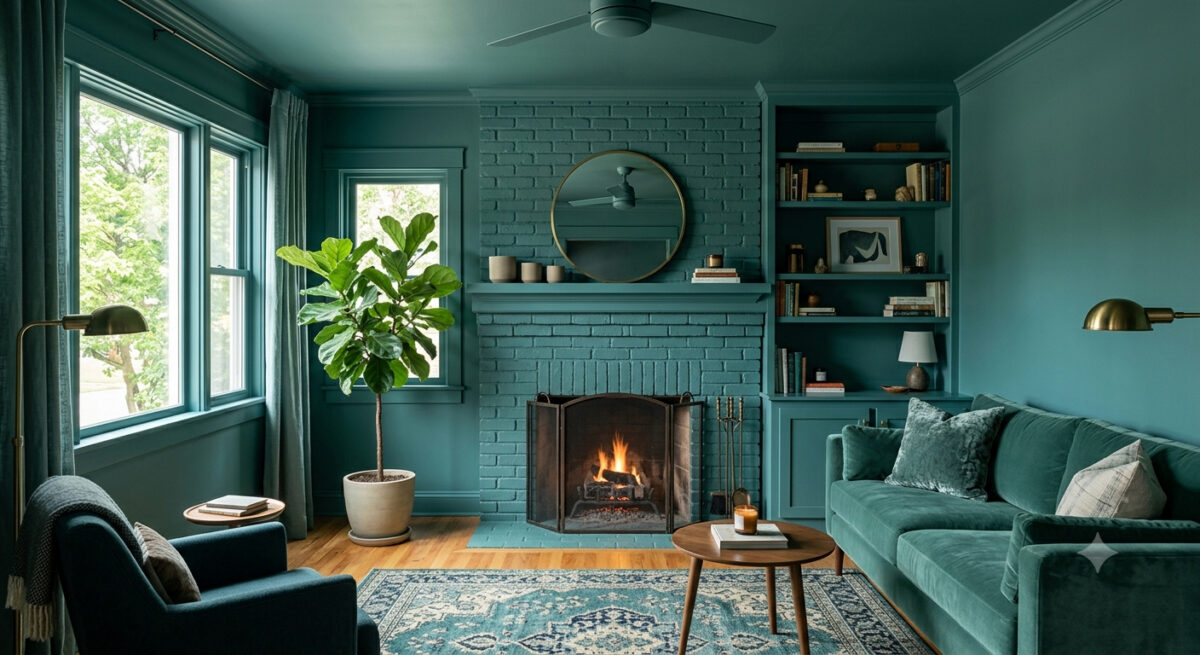
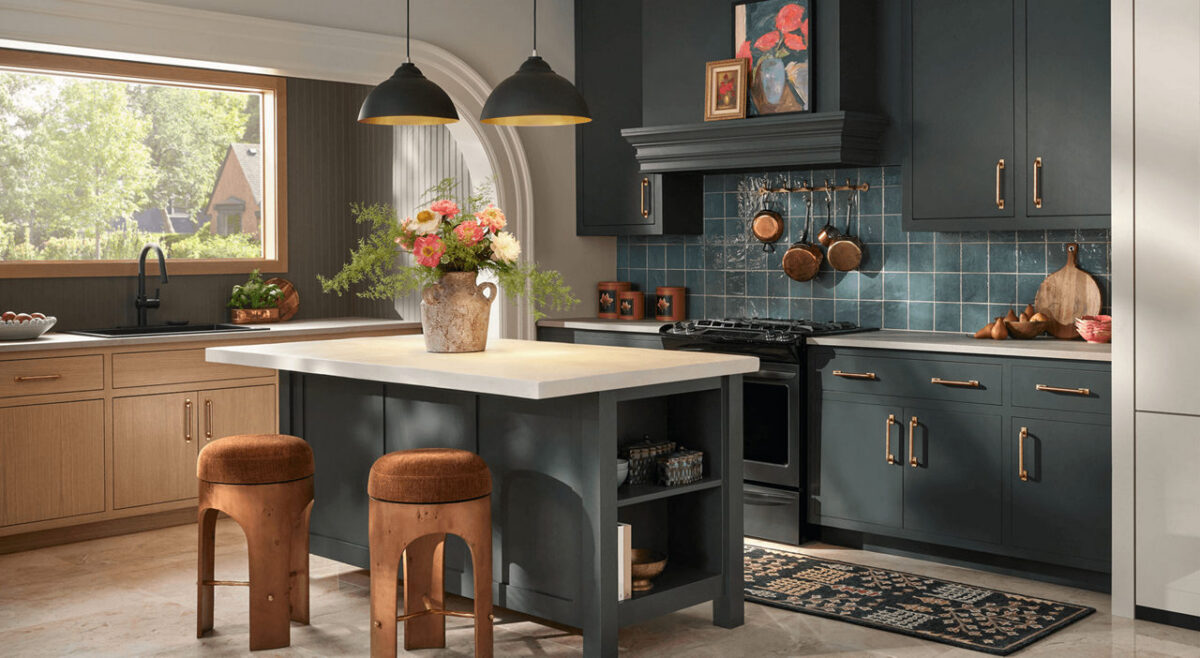
Garden Gate January 2026 Color of the Month

Add earthy elegance to your space with this natural dark green.

Sherwin-Williams says, “Dark greens such as Garden Gate serve as the new modern neutral, offering a sense of depth, versatility and timelessness. This shade’s warm, yellow-gray undertones deliver a sense of comfort – making it ideal for creating serene, stylish interiors that feel both rooted and refined. This deep, organic green encourages concentration in areas like home offices, while still feeling relaxed and inviting enough for gathering spaces.”

Evoke a sense of natural comfortability with this undeniably versatile dark green.

We think this is a great color for the Willamette Valley. Call us for a free quote on updating your favorite space. 541-497-3804

Signs Your Home Needs a Fresh Coat of Paint

Visual Signs of Paint Failure

  • Peeling, Cracking, or Bubbling Paint: These indicate the paint is failing to adhere to the surface and is no longer providing protection. 
  • Fading Color: A significant change in color shows that the paint has been damaged by UV rays and weather. 
  • Stains and Discoloration: Stubborn water stains, mold, or mildew that can’t be washed off suggest the paint has lost its protective qualities. 
  • Chalking: When the paint disintegrates, it leaves a fine, chalky powder on your hands when you touch the surface. 
  • Deteriorating Caulking: Cracks in the caulking around windows and trim can allow moisture to seep in, causing damage. 
  • Visible Gaps: Gaps or shrinking wood can indicate movement in the structure, and damaged paint can’t adequately protect these areas. 

If any of these symptoms describe the exterior finish of your house, you’re going to need a new paint job to protect your investment. Call Mike 541-497-3804

Accent Walls That Wow

Accent walls are back—and bolder than ever. In 2025, homeowners are embracing statement-making walls that add personality, depth, and drama to their spaces. Whether you’re working with a cozy nook or a sprawling living room, a well-chosen accent wall can elevate the entire vibe of a home.

🎨 Why Accent Walls Work

Accent walls create visual interest by breaking up monotony and drawing the eye to a focal point. They’re perfect for:

  • Highlighting architectural features like fireplaces or built-ins
  • Defining open-concept spaces
  • Adding depth to small rooms
  • Expressing personal style without overwhelming a space

🌈 Trending Sherwin-Williams Colors for Accent Walls

1. Naval SW 6244
A timeless navy that adds richness and sophistication. Ideal for dining rooms, bedrooms, or behind a gallery wall.

2. Urbane Bronze SW 7048
Earthy and dramatic, this deep brown-gray creates a cozy, grounded feel. Perfect for home offices or living rooms.

3. Redend Point SW 9081
Warm and inviting, this blush-beige adds subtle charm. Great for bedrooms or entryways.

4. Evergreen Fog SW 9130
A calming green-gray that pairs beautifully with natural textures. Use it in bathrooms or reading corners.

5. Iron Ore SW 7069
Bold and modern, this charcoal hue makes a powerful statement. Try it behind a bed or on a fireplace wall

🖌️ Pro Tips for Creating Accent Walls That Wow

  • Choose the right wall: Pick a wall that naturally draws attention—behind a bed, sofa, or fireplace.
  • Balance with neutrals: Let your accent wall shine by keeping surrounding walls and decor more subdued.
  • Play with texture: Consider matte finishes, shiplap, or wallpaper for added dimension.
  • Use lighting to your advantage: Accent walls pop under good lighting—think sconces, pendant lights, or natural light

Like the idea but not the work associated with it? All Mike 541-497-3804

Drop Cloth Options

Choosing the right drop cloth is an important consideration for any painting project. More than just a protective layer, your drop cloth can impact safety, cleanup time, and the overall quality of your work. Knowing the pros and cons of each type will help you select the best fit for your needs.

1. Canvas drop cloths

The workhorse of the painting world, canvas is the go-to material for many professionals.

Pros

  • Durable and reusable: A high-quality canvas drop cloth can last for years, making it a sustainable and cost-effective investment in the long run.
  • Absorbent: Canvas soaks up paint drips and spills, preventing them from spreading and being tracked through your home.
  • Slip-resistant: Its heavy, textured cotton material provides a stable, non-slip surface underfoot, reducing the risk of accidents.
  • Drapes well: The weight of the canvas allows it to conform to the shape of furniture and floors, ensuring fewer gaps and better coverage.

Cons

  • Cost: Canvas has a higher initial price tag than disposable options.
  • Not waterproof (unless treated): Untreated canvas is absorbent, but it won’t stop a heavy spill from eventually seeping through to the surface below.
  • Heavy and bulky: Larger canvas cloths can be heavy and difficult to move and store, especially once they are covered in dried paint.

2. Plastic drop cloths

For a quick and easy solution, plastic drop cloths are a popular choice, especially for one-time or light-duty jobs.

Pros

  • Inexpensive: Plastic sheeting is the most budget-friendly option and is widely available.
  • Waterproof: It provides a completely waterproof barrier against spills, protecting surfaces from any leaks.
  • Lightweight: Easy to handle, tape, and drape over furniture.
  • Disposable: Perfect for messy jobs—simply fold it up and throw it away when you’re done.

Cons

  • Slippery: Plastic is known for being slippery, creating a potential safety hazard on floors.
  • Prone to tearing: Thin plastic can easily rip or puncture, leaving your floors and furniture vulnerable.
  • Doesn’t absorb: Since it doesn’t absorb paint, spills can pool and be smeared around, creating a larger mess.
  • Environmental impact: As a single-use product, it contributes to landfill waste.

3. Butyl drop cloths

A favorite among painting professionals, butyl drop cloths offer the best of both worlds.

Pros

  • Absorbent and leak-proof: These cloths feature a top layer of absorbent canvas and a thick, leak-resistant poly or butyl backing. This stops spills from seeping through while preventing them from spreading.
  • Slip-resistant: The coated underside provides excellent traction, making it much safer to use on hard, slippery floors.
  • Durable and reusable: Built for heavy-duty use, butyl cloths can be washed and reused for many projects.
  • Reduces tracking: The absorbent top layer prevents you from tracking wet paint across the floor.

Cons

  • Higher cost: Butyl drop cloths are more expensive than standard canvas or plastic options.
  • Bulkier and heavier: The layered material makes these cloths heavier and bulkier to transport and store.

Paper drop cloths

  • Best for: Protecting against minor paint drops and dust, or for covering baseboards and trim.
  • Good to know: A disposable and eco-friendly option compared to plastic, but it is not leak-proof and tears easily.

Fabric drop cloths

  • Best for: Light-duty painting tasks and DIY projects.
  • Good to know: These are a more economical, disposable alternative to canvas, but less absorbent and durable.

How to choose the right drop cloth for your project

ScenarioBest choiceWhy?
Professional painting jobButyl or heavy-duty canvas.Superior protection, durability, and safety, especially on hard floors.
DIY project with occasional paintingCanvas.A reusable, absorbent, and reliable investment that won’t break the bank.
Quick, one-time touch-upsPlastic sheeting.Affordable and disposable, perfect for a fast, low-mess job.
Covering furnitureLightweight plastic sheeting.It’s easy to drape and tape in place, keeping furniture dust-free and protected from light splatter.
Working on stairsNon-slip canvas.Specialty options with rubber nubs on the underside prevent slipping and hold securely.
Outdoor projectsHeavy-duty canvas or thick plastic.Canvas won’t blow away, while thick plastic is ideal for covering landscaping.

Of course, the preferred option is to know someone who has lots of professional grade drop cloths, the Paint Doctor. We bring the protection and everything else needed for first rate paint job. Call the Doctor 541-497-3804.

August 2025 Color of the Month

Koral Kicks SW 6610 is the Sherwin-Williams’ Color of the Month. A color that’s equal parts serene and free-spirited, with an orange undertone that proves quiet, vibrant colors can be just as timeless as traditional neutrals.

According to Emily Kantz of Sherwin-Williams, “Shades like Koral Kicks inspire you to embrace your eclectic side and bring your daydreams to life.”

This accessible yet vibrant shade takes a relaxed approach to color. By keeping things subtle and understated, hushed corals allow homeowners to introduce a layer of personality to their spaces without feeling too loud or overwhelming. It pairs effortlessly with cooler neutrals, delivering a cohesive and polished element to any application. It offers the perfect backdrop for curated styling.

How to Prepare a Room for Painting

Or call us!

1. Clear and Clean the Space

  • Remove furniture or push it to the center and cover with plastic sheeting.
  • Take down wall hangings, curtains, and light fixtures.
  • Unscrew outlet and switch covers and store them safely.
  • Clean the walls with mild soap and water to remove dust and grease.

2. Repair Wall Imperfections

  • Fill nail holes and cracks with spackle or filler.
  • Let it dry, then sand smooth with 220-grit sandpaper.
  • For larger repairs, consider using a drywall patch kit.

3. Protect Floors and Fixtures

  • Lay down drop cloths or plastic sheeting to protect floors.
  • Use painter’s tape to mask off trim, windows, and baseboards.
  • Cover furniture and fixtures with plastic or builder’s paper.

4. Prime the Walls (if needed)

  • Apply primer if you’re painting over dark colors or patched areas.
  • Use a brush for edges and a roller for large surfaces.
  • Let it dry completely before painting.

5. Final Touches Before Painting

  • Double-check that everything is taped and covered.
  • Stir your paint thoroughly.
  • Keep rags and water or mineral spirits nearby for quick cleanup.

Or you can call us at 541-497-3804.

Applying Urethane

Why Choose Urethane?

Urethane coatings are known for their excellent resistance to abrasions, chemicals, and UV exposure, making them ideal for both indoor and outdoor applications. They come in different finishes—glossy, satin, or matte—giving you versatility in achieving your desired aesthetic.

Preparation Is Everything

Before dipping your brush or sprayer into urethane, take time to prepare the surface:

  • Clean Thoroughly: Remove dirt, grease, and old finishes to ensure proper adhesion.
  • Sand Smoothly: Lightly sand the surface for better grip and wipe away dust with a tack cloth.
  • Prime If Necessary: Depending on the material, a primer may enhance adhesion and uniformity.

Application Techniques

Applying urethane requires patience and precision:

  • Use the Right Tools: A high-quality brush or foam applicator works well for smaller projects, while a spray gun ensures even coverage for larger areas.
  • Thin, Even Coats: Apply multiple thin layers rather than one thick coat to avoid drips and uneven drying.
  • Watch the Dry Time: Allow each coat to cure properly before adding another—this prevents bubbling or tackiness.
  • Ventilate the Area: Urethane contains strong solvents, so good airflow helps prevent inhalation hazards and speeds up drying.

Troubleshooting Common Issues

  • Bubbles in the Finish? Apply slowly, avoid excessive shaking of the product, and ensure a dust-free environment.
  • Sticky Surface? Check humidity levels and allow additional drying time between coats.
  • Uneven Coverage? Use light sanding between coats and maintain consistent application strokes.

Protecting Your Work

Once fully cured, urethane forms a tough, resilient barrier—but it still benefits from proper maintenance. Clean gently with non-abrasive cleaners and avoid harsh scrubbing that may dull the finish over time.

A well-applied urethane coating transforms surfaces with durability and elegance. With the right preparation and technique, your project will look professionally finished and stand the test of time.