Icy Lemonade

Many of our customers are looking for color ideas for their upcoming interior painting projects.

Here’s one that can brighten up your space: Icy Lemonade by Sherwin-Williams.

Art deco kitchen in white and bright yellow.


“Known for boosting overall mood, bright yellow paint colors carry a subtle tonality that prioritizes productivity, making Icy Lemonade an excellent candidate for commercial and residential spaces alike. Perfect for kitchens, dining rooms and home offices, this eclectic shade evokes all-things retro, without feeling dated or conventional. Icy Lemonade’s slight green undertone gives it a soft, sunlit, pastel glow. Add an unexpected pop of color that feels laid back and approachable,” according to Sherwin-Williams.

bright yellow walls in dining area
<figure>
  <img loading=
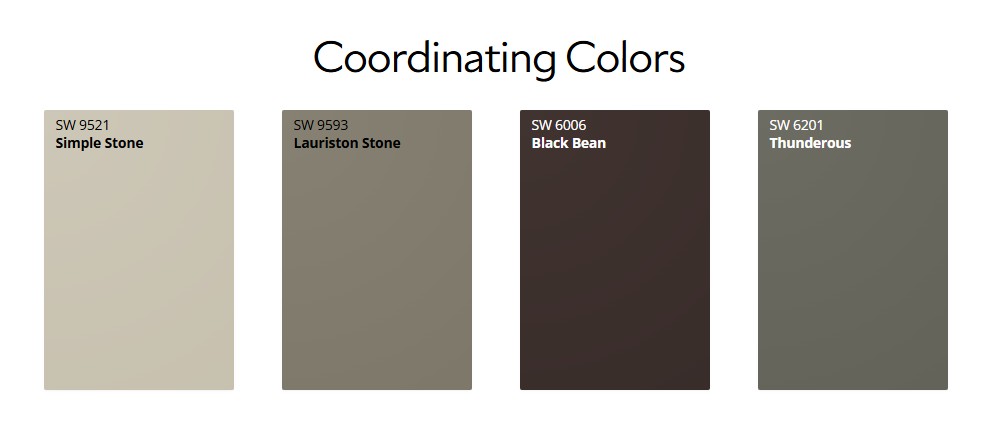
These are coordinating Sherwin-Williams colors that go with Icy Lemonade.
Coordinating Colors
These are coordinating Sherwin-Williams colors that go with Icy Lemonade.

Schedule your interior paint project soon, 541-497-3804

When Brush Marks are a Good Thing

Brush marks are a desirable feature in home painting when you are intentionally creating a decorative, textured, or rustic finish, rather than a perfectly smooth, modern look. This technique is often used for furniture, accent walls, and other decorative objects where a handmade, tactile quality adds character. 

For decorative painting techniques

When a project is intended to look artistically or decoratively painted, visible brushstrokes are a key part of the aesthetic. 

  • Faux finishes: Techniques like color washing or rag rolling can be used to add texture and depth to walls. Visible, artistic brushstrokes are essential for creating the varied, dynamic patterns of these faux effects.
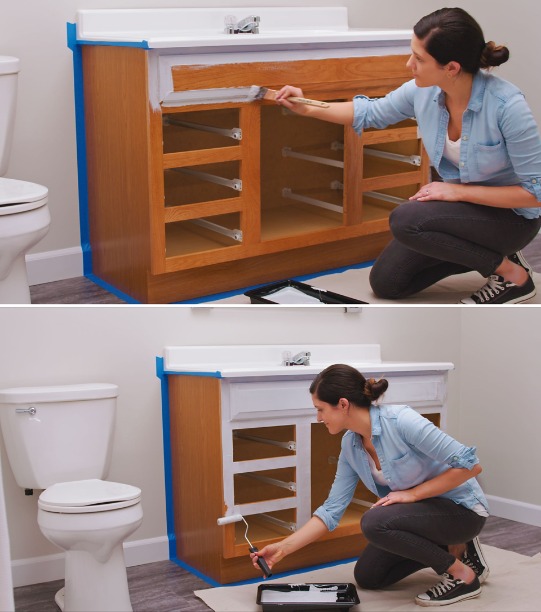
  • Creating a hand-painted look: For items like furniture, cabinets, or even doors, a subtle, organized brushstroke can convey that the item was painted by hand rather than in a factory. This adds a custom, artisanal feel, especially when using paints like chalk paint. 

For a rustic or traditional aesthetic

A perfectly smooth, glossy finish often feels very modern. In contrast, visible brushstrokes lend a timeless, rustic, or vintage quality to a piece.

  • Country and cottage decor: A more casual and textured finish suits rustic and farmhouse-style homes better than a flawless finish.
  • Weathered effects: Combining visible brushstrokes with techniques like distressing and sanding can create a charming, weathered finish for furniture. 

To add texture and depth

Visible brushstrokes can be used to add visual interest to a surface and make a flat color appear more dynamic.

  • For architectural features: When painting woodwork, such as trim or paneling, using a consistent brushing technique that leaves subtle, parallel lines can define the details of the feature.
  • To create visual interest: The way light catches the texture of the paint can add movement and energy to the surface. This is an effective strategy for making a statement wall or a piece of furniture more eye-catching. 

To make matching easier for future touchup. If you know an area will likely need touchup in the future, it can be easier to match the existing texture if the original was applied by brush.

The Paint Doctors Painting Service 541-497-3804

The Power of Paint to Boost Curb Appeal

Make a stunning first impression with the help of a fresh coat of paint

Your home’s exterior is the first thing guests, neighbors, and potential buyers see. It sets the tone for your property and reflects your personal style. A fresh coat of paint is one of the most effective ways to instantly enhance your curb appeal, making a significant impact on how your home is perceived. 

Why is curb appeal important?

Beyond simply looking good, a well-maintained exterior contributes to your home’s overall value. Research suggests that homes with better curb appeal can sell for more than those that appear less inviting. It also sends a message to potential buyers that the home has been well-cared for and maintained, increasing their confidence in the property. 

The transformative power of paint

  • Instantly refreshes: A new paint job instantly breathes life into a tired exterior, covering imperfections and creating a clean, polished look.
  • Updates style: Repainting allows you to update your home’s color scheme and style, giving it a modern and attractive look that reflects your taste and complements its architecture.
  • Highlights architectural features: Strategic color choices can accentuate your home’s unique features, such as trim, windows, or intricate details, enhancing its character and making it stand out. 

Choosing the right colors for curb appeal

When selecting exterior paint colors, consider the following:

  • Home’s architectural style: Different architectural styles lend themselves to different color palettes. For instance, Craftsman-style homes often embrace earthy tones, while modern designs may favor grays, blacks, and whites.
  • Neighborhood aesthetics: Consider the prevalent colors and styles in your neighborhood to choose a color that harmonizes with the surroundings while still reflecting your personality.
  • Permanent features: Consider your roof color and other materials (e.g., brick, stone) when choosing paint colors to ensure a cohesive look.
  • Lighting: Exterior paint colors can appear differently in various lighting conditions. Test samples on different sides of your home at different times of the day to see how they truly look.
  • Professional advice: If you’re feeling overwhelmed, don’t hesitate to consult with experienced painters who can provide valuable insights based on their knowledge of color, architectural styles, and local aesthetics. 

Chemical Exposure for DIY Painters

Painting your home can be a rewarding project, but many DIY painters overlook the potential health risks of chemical exposure. Paints, primers, and cleaning solvents contain volatile organic compounds (VOCs) and other hazardous substances that, when inhaled or absorbed, can lead to serious health issues.

Common Chemical Risks in Painting

  1. Volatile Organic Compounds (VOCs) – Found in oil-based paints, primers, and thinners, VOCs can cause headaches, dizziness, and respiratory irritation. Long-term exposure may lead to organ damage.
  2. Lead-Based Paint – Older homes (built before 1978) may contain lead paint, which can cause neurological damage if sanded or scraped without proper precautions.
  3. Mold & Mildew Resistant Chemicals – Some paints contain antimicrobial agents that may irritate skin and lungs if not handled properly.
  4. Solvent-Based Cleaners – Paint removers and degreasers often contain harmful solvents like acetone or methylene chloride, which can affect the nervous system.

How to Stay Safe While Painting

  • Choose Low-VOC or Water-Based Paints – These are safer alternatives with fewer harmful fumes.
  • Ventilate the Area – Always work in well-ventilated spaces with open windows or fans to disperse fumes.
  • Wear Protective Gear – Use gloves, masks, and safety goggles to limit skin and inhalation exposure.
  • Avoid Eating or Drinking Near Paints – Prevent accidental ingestion of harmful substances.
  • Properly Dispose of Paint & Chemicals – Follow local regulations for disposing of hazardous materials responsibly.

Painting is a great DIY project, but safety should always come first. Protect yourself and your home by being mindful of chemical exposure risks. The very best way to avoid hidden chemical exposure is to hire the professionals at Paint Doctor’s Painting Service, 541-497-3804

The Hidden Hazards of DIY Ladder Use in Home Painting

Painting a home is a satisfying DIY project, but when ladders come into play, the risks quickly multiply. Many homeowners underestimate the dangers, assuming a sturdy ladder and steady hands are enough. Unfortunately, falls from ladders are one of the leading causes of home improvement injuries.

Why Ladders Can Be Dangerous for DIY Painters

  1. Lack of Experience – Professionals train extensively in ladder safety, but homeowners often lack the knowledge needed to use them correctly.
  2. Improper Setup – A ladder that isn’t on stable ground or secured properly can tip over in an instant.
  3. Overreaching – Leaning too far to the side while painting can cause the ladder to lose balance. It’s always safer to move the ladder instead.
  4. Slippery Surfaces – Paint spills or wet conditions can make ladder steps slick, increasing the likelihood of slipping.
  5. Fatigue & Distraction – Painting is physically demanding. A tired or distracted homeowner is far more likely to lose focus and make a dangerous misstep.

Safe Alternatives for Home Painting

  • Use an Extension Pole – Instead of climbing high, consider using an extendable roller for hard-to-reach areas.
  • Consider Scaffolding – For exterior projects, renting scaffolding provides a much more stable platform.
  • Hire a Professional – If a project requires significant ladder use, it may be best left to experienced contractors who know how to navigate ladder safety. Give us a call 541-497-3804.

Home improvement is rewarding, but safety must always come first. If you’re considering a DIY painting project that involves a ladder, think twice about the risks—and take every precaution to protect yourself and your home.

Stay safe, and happy painting!

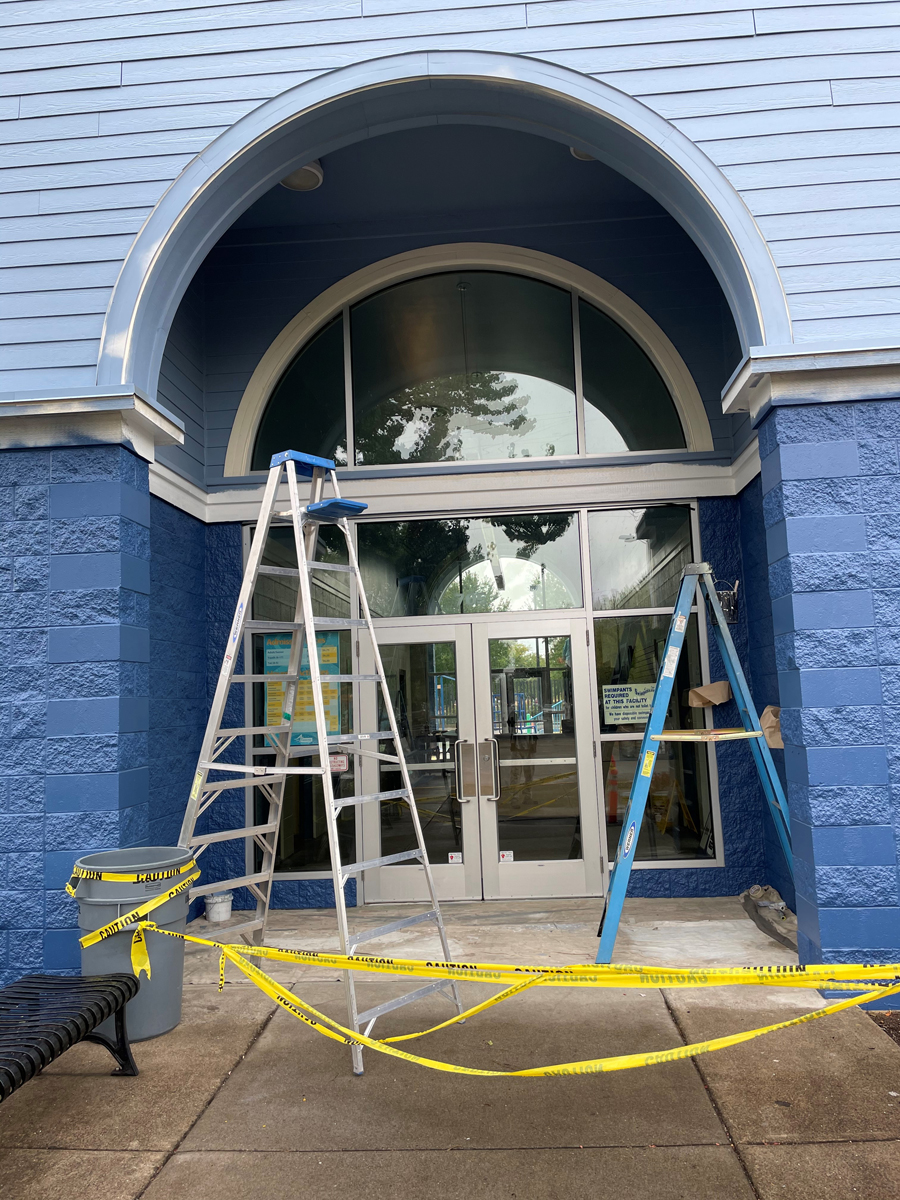
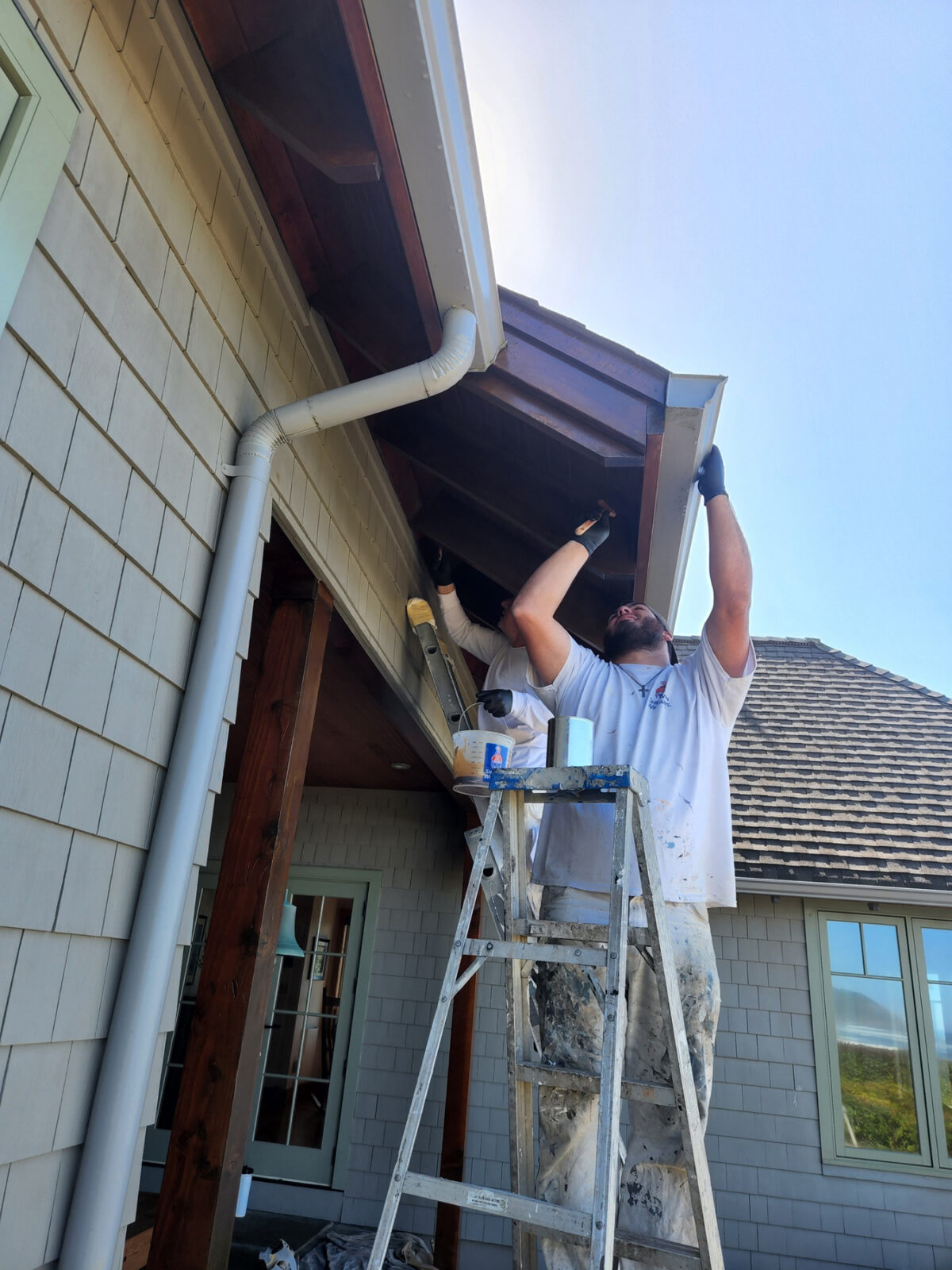
ladder work at the Oregon coast
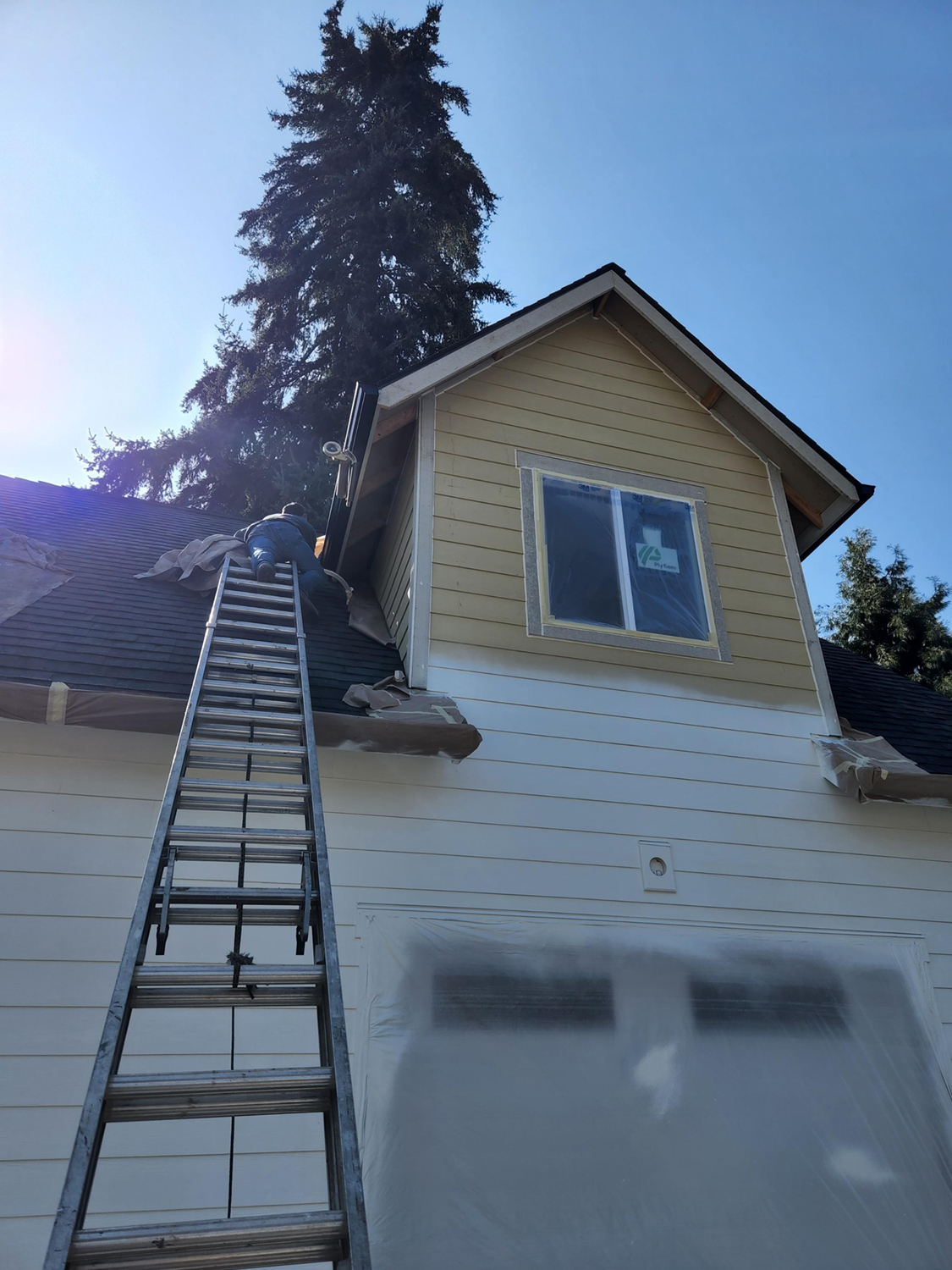
ladder work during house painting

The Power of Paint

Ever walked into a freshly painted room and felt an instant mood boost? That’s no coincidence—color has a profound impact on our emotions, energy, and overall well-being. A fresh coat of paint isn’t just about aesthetics; it’s about creating a space that supports mental clarity, relaxation, and productivity.

Color Psychology: The Secret to a Happier Home

Different colors evoke different emotional responses, making your choice of paint more important than you might realize. For example:

  • Blues and Greens – These hues promote calmness and relaxation, perfect for bedrooms or home offices.
  • Yellows and Oranges – Energetic and cheerful, warm tones bring vitality to kitchens and living spaces.
  • Neutrals – Whites, grays, and beiges provide a sense of balance and sophistication, creating a clean slate for creativity.

The Refresh Effect

Beyond color selection, the simple act of repainting can refresh your environment and mindset. Dull, fading walls can subconsciously drag down your mood, while a crisp new layer of paint can make your space feel brighter, cleaner, and more inviting.

A Productivity Boost

Working from home? Studies show that an intentional use of color can increase focus and efficiency. Soft blues and greens enhance concentration, while subtle pops of energizing colors can keep motivation high.

Transform Your Space, Transform Your Mind

A fresh paint job is more than just an upgrade—it’s an investment in your mental well-being. Whether you’re repainting an entire home or adding an accent wall, the right colors can inspire positivity, relaxation, and creativity. Ready to breathe new life into your space? Call Mike at 541-497-3804

Shiitake, May 2025 Color of the Month

Add a touch of cozy elegance with Shiitake, Sherwin-Williams’ May 2025 Color of the Month.

An adaptable stone gray, Shiitake strikes a balance between composed and casual.

Slow Green February 2025 Color of the Month


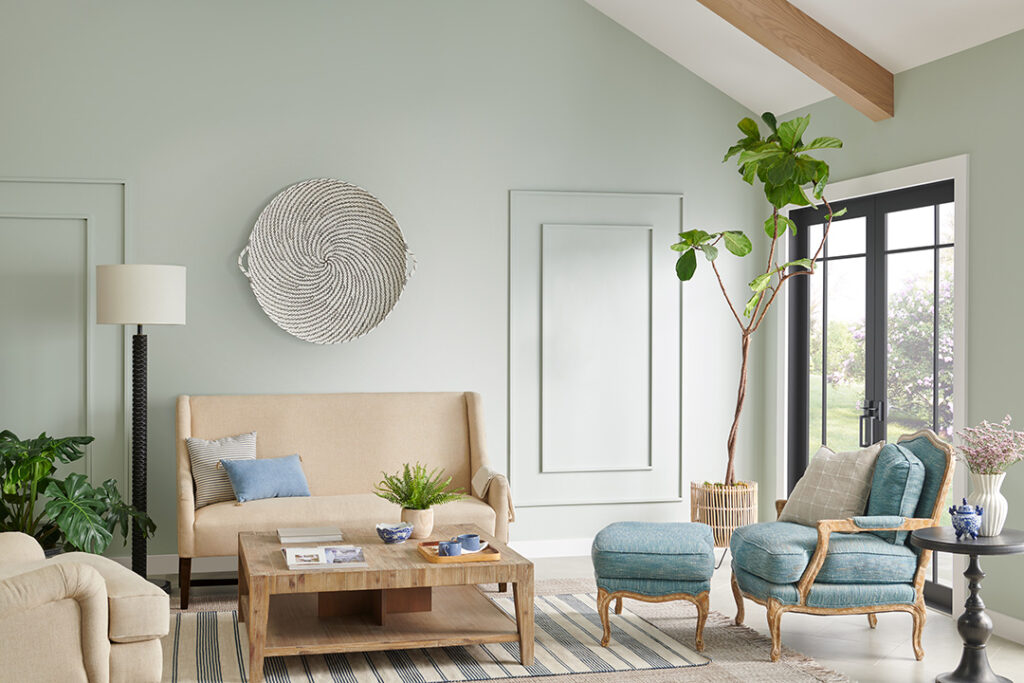
According to Sherwin-Williams.com, “With blue and green tones on the rise, Slow Green captures the essence of two popular color families within its balanced undertone. It has a subtle demeanor that lets you push the envelope of color exploration without feeling overwhelmed by bold, maximalist shades. Instead, this lively hue feels refreshing and buildable in accordance with their interior styles.”

Perfect for the places and spaces where you like to relax and unwind.

Creamy – January 2025 Color of the Month

“The quest for quiet luxury continues to dominate design trends, and shades like Creamy give homeowners a sense of serenity and solitude,” according to Emily Kantz of Sherwin-Williams.

Off-whites and beiges are here to stay, and with good reason. Elevated neutral paint colors like Creamy make homes look chic without feeling over-designed. Bright and inviting, Creamy features a delicate yellow undertone that adds subtle warmth to any room. Resounding versatility and ability to pair with corresponding colors makes this understated shade a go-to for homeowners and designers alike.

We can help you get back to basics with Creamy or any other color of your choosing. 541-497-3804

October 2024 Color of the Month

Pairing the rich blue-green of Mount Etna by Sherwin-Williams with leathers and natural wood adds a level of sophistication to existing casual décor. Call Mike 541-497-3804 to schedule your interior transformation.