Quietude

Within a palette of hushed tones, the HGTV 2025 Color of the Year, Quietude, finds its power in its transcendent tranquility. A soft sage with a whisper of blue influence, Quietude is an emerging color for enduring design and soothes any space inside or out.

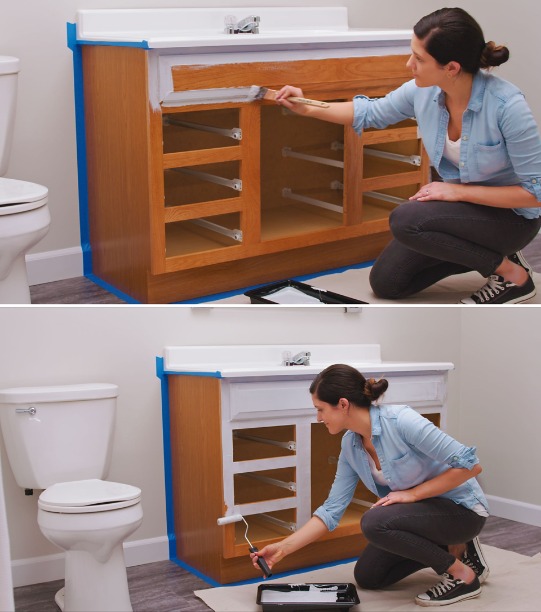
Subtle seafoam green applied to bathroom vanity.

Check out how designers used this color in a variety of settings.

wainscot, raided panels and double doors
great cabinet color
seafoam green chest of drawers
entry door in seafoam green

Let us know if Quietude is your color! Mike 541-497-3804.

Mineral Spirits vs Paint Thinner

Mineral spirits are a type of paint thinner; specifically, they are a more refined, less toxic, and less odorous petroleum distillate used for thinning oil-based paints and cleaning tools. Paint thinner, in general, is a broader category of solvents that may include mineral spirits but can also contain other, more potent, and less refined solvents like naphtha or turpentine, resulting in stronger fumes, faster evaporation, and greater solvency.
 

Mineral Spirits 

  • Purity: Higher quality and more refined.
  • Odor: Milder odor, and odorless versions are available.
  • Toxicity: Less toxic than other paint thinners.
  • Evaporation Rate: Slower evaporation, which can lead to a smoother finish.
  • Cost: Generally more expensive due to the refinement process.

Paint Thinner

  • Purity: A broader category, often less refined, containing a mix of solvents including aliphatic and aromatic hydrocarbons. 
  • Odor: Strong, pungent smell due to aromatic compounds and other additives. 
  • Toxicity: Can be more toxic and produce more harmful fumes. 
  • Evaporation Rate: Faster evaporation rate, which can make it less ideal for achieving a smooth, even finish. 
  • Cost: Less expensive, making it a common choice for cost-conscious projects. 

Think of it this way: all mineral spirits are paint thinners, but not all paint thinners are mineral spirits. When choosing, consider whether you need a higher-quality, smoother finish (mineral spirits) or a more powerful and inexpensive solvent for general cleanup and thinning (paint thinner). 

If your project calls for these or other chemicals, it’s best to give us a call and take care of the project. The Doctor makes house calls, 541-497-3804

When Brush Marks are a Good Thing

Brush marks are a desirable feature in home painting when you are intentionally creating a decorative, textured, or rustic finish, rather than a perfectly smooth, modern look. This technique is often used for furniture, accent walls, and other decorative objects where a handmade, tactile quality adds character. 

For decorative painting techniques

When a project is intended to look artistically or decoratively painted, visible brushstrokes are a key part of the aesthetic. 

  • Faux finishes: Techniques like color washing or rag rolling can be used to add texture and depth to walls. Visible, artistic brushstrokes are essential for creating the varied, dynamic patterns of these faux effects.
  • Creating a hand-painted look: For items like furniture, cabinets, or even doors, a subtle, organized brushstroke can convey that the item was painted by hand rather than in a factory. This adds a custom, artisanal feel, especially when using paints like chalk paint. 

For a rustic or traditional aesthetic

A perfectly smooth, glossy finish often feels very modern. In contrast, visible brushstrokes lend a timeless, rustic, or vintage quality to a piece.

  • Country and cottage decor: A more casual and textured finish suits rustic and farmhouse-style homes better than a flawless finish.
  • Weathered effects: Combining visible brushstrokes with techniques like distressing and sanding can create a charming, weathered finish for furniture. 

To add texture and depth

Visible brushstrokes can be used to add visual interest to a surface and make a flat color appear more dynamic.

  • For architectural features: When painting woodwork, such as trim or paneling, using a consistent brushing technique that leaves subtle, parallel lines can define the details of the feature.
  • To create visual interest: The way light catches the texture of the paint can add movement and energy to the surface. This is an effective strategy for making a statement wall or a piece of furniture more eye-catching. 

To make matching easier for future touchup. If you know an area will likely need touchup in the future, it can be easier to match the existing texture if the original was applied by brush.

The Paint Doctors Painting Service 541-497-3804
Drop Cloth Options

Choosing the right drop cloth is an important consideration for any painting project. More than just a protective layer, your drop cloth can impact safety, cleanup time, and the overall quality of your work. Knowing the pros and cons of each type will help you select the best fit for your needs.

1. Canvas drop cloths

The workhorse of the painting world, canvas is the go-to material for many professionals.

Pros

  • Durable and reusable: A high-quality canvas drop cloth can last for years, making it a sustainable and cost-effective investment in the long run.
  • Absorbent: Canvas soaks up paint drips and spills, preventing them from spreading and being tracked through your home.
  • Slip-resistant: Its heavy, textured cotton material provides a stable, non-slip surface underfoot, reducing the risk of accidents.
  • Drapes well: The weight of the canvas allows it to conform to the shape of furniture and floors, ensuring fewer gaps and better coverage.

Cons

  • Cost: Canvas has a higher initial price tag than disposable options.
  • Not waterproof (unless treated): Untreated canvas is absorbent, but it won’t stop a heavy spill from eventually seeping through to the surface below.
  • Heavy and bulky: Larger canvas cloths can be heavy and difficult to move and store, especially once they are covered in dried paint.

2. Plastic drop cloths

For a quick and easy solution, plastic drop cloths are a popular choice, especially for one-time or light-duty jobs.

Pros

  • Inexpensive: Plastic sheeting is the most budget-friendly option and is widely available.
  • Waterproof: It provides a completely waterproof barrier against spills, protecting surfaces from any leaks.
  • Lightweight: Easy to handle, tape, and drape over furniture.
  • Disposable: Perfect for messy jobs—simply fold it up and throw it away when you’re done.

Cons

  • Slippery: Plastic is known for being slippery, creating a potential safety hazard on floors.
  • Prone to tearing: Thin plastic can easily rip or puncture, leaving your floors and furniture vulnerable.
  • Doesn’t absorb: Since it doesn’t absorb paint, spills can pool and be smeared around, creating a larger mess.
  • Environmental impact: As a single-use product, it contributes to landfill waste.

3. Butyl drop cloths

A favorite among painting professionals, butyl drop cloths offer the best of both worlds.

Pros

  • Absorbent and leak-proof: These cloths feature a top layer of absorbent canvas and a thick, leak-resistant poly or butyl backing. This stops spills from seeping through while preventing them from spreading.
  • Slip-resistant: The coated underside provides excellent traction, making it much safer to use on hard, slippery floors.
  • Durable and reusable: Built for heavy-duty use, butyl cloths can be washed and reused for many projects.
  • Reduces tracking: The absorbent top layer prevents you from tracking wet paint across the floor.

Cons

  • Higher cost: Butyl drop cloths are more expensive than standard canvas or plastic options.
  • Bulkier and heavier: The layered material makes these cloths heavier and bulkier to transport and store.

Paper drop cloths

  • Best for: Protecting against minor paint drops and dust, or for covering baseboards and trim.
  • Good to know: A disposable and eco-friendly option compared to plastic, but it is not leak-proof and tears easily.

Fabric drop cloths

  • Best for: Light-duty painting tasks and DIY projects.
  • Good to know: These are a more economical, disposable alternative to canvas, but less absorbent and durable.

How to choose the right drop cloth for your project

ScenarioBest choiceWhy?
Professional painting jobButyl or heavy-duty canvas.Superior protection, durability, and safety, especially on hard floors.
DIY project with occasional paintingCanvas.A reusable, absorbent, and reliable investment that won’t break the bank.
Quick, one-time touch-upsPlastic sheeting.Affordable and disposable, perfect for a fast, low-mess job.
Covering furnitureLightweight plastic sheeting.It’s easy to drape and tape in place, keeping furniture dust-free and protected from light splatter.
Working on stairsNon-slip canvas.Specialty options with rubber nubs on the underside prevent slipping and hold securely.
Outdoor projectsHeavy-duty canvas or thick plastic.Canvas won’t blow away, while thick plastic is ideal for covering landscaping.

Of course, the preferred option is to know someone who has lots of professional grade drop cloths, the Paint Doctor. We bring the protection and everything else needed for first rate paint job. Call the Doctor 541-497-3804.

August 2025 Color of the Month

Koral Kicks SW 6610 is the Sherwin-Williams’ Color of the Month. A color that’s equal parts serene and free-spirited, with an orange undertone that proves quiet, vibrant colors can be just as timeless as traditional neutrals.

According to Emily Kantz of Sherwin-Williams, “Shades like Koral Kicks inspire you to embrace your eclectic side and bring your daydreams to life.”

This accessible yet vibrant shade takes a relaxed approach to color. By keeping things subtle and understated, hushed corals allow homeowners to introduce a layer of personality to their spaces without feeling too loud or overwhelming. It pairs effortlessly with cooler neutrals, delivering a cohesive and polished element to any application. It offers the perfect backdrop for curated styling.