Paint Guide for Kitchen, Bedrooms and Bathrooms

Choosing the right paint color for each room in your home involves creating the perfect mood, enhancing functionality, and expressing your personal style. Whether you’re planning a full home makeover or just refreshing a single space, this guide will help you pick the best shades for your kitchen, bedroom, and bathroom.

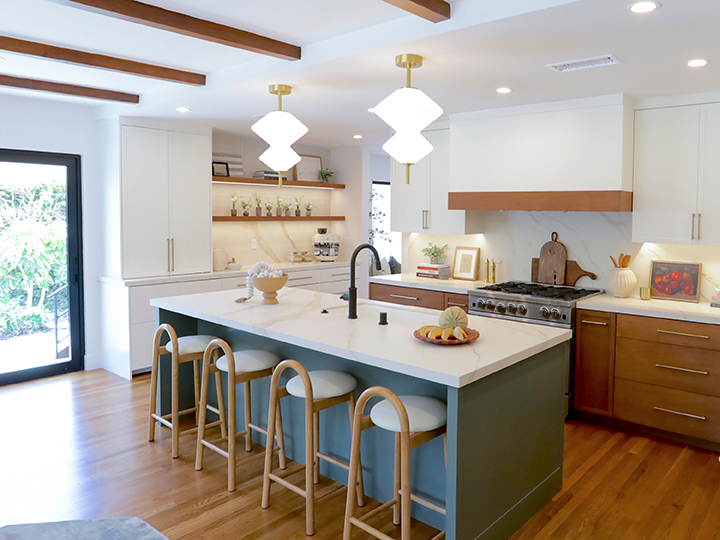
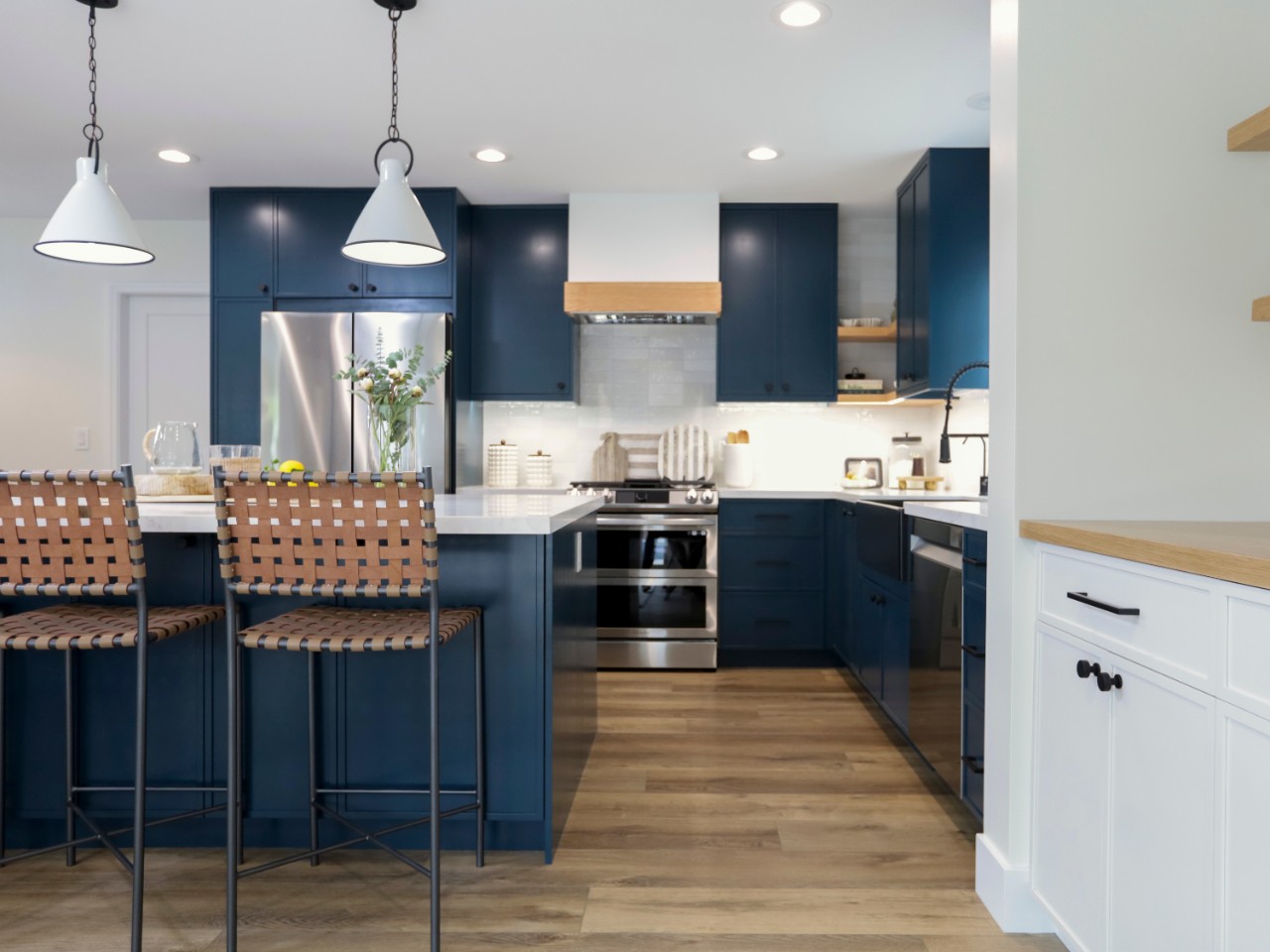
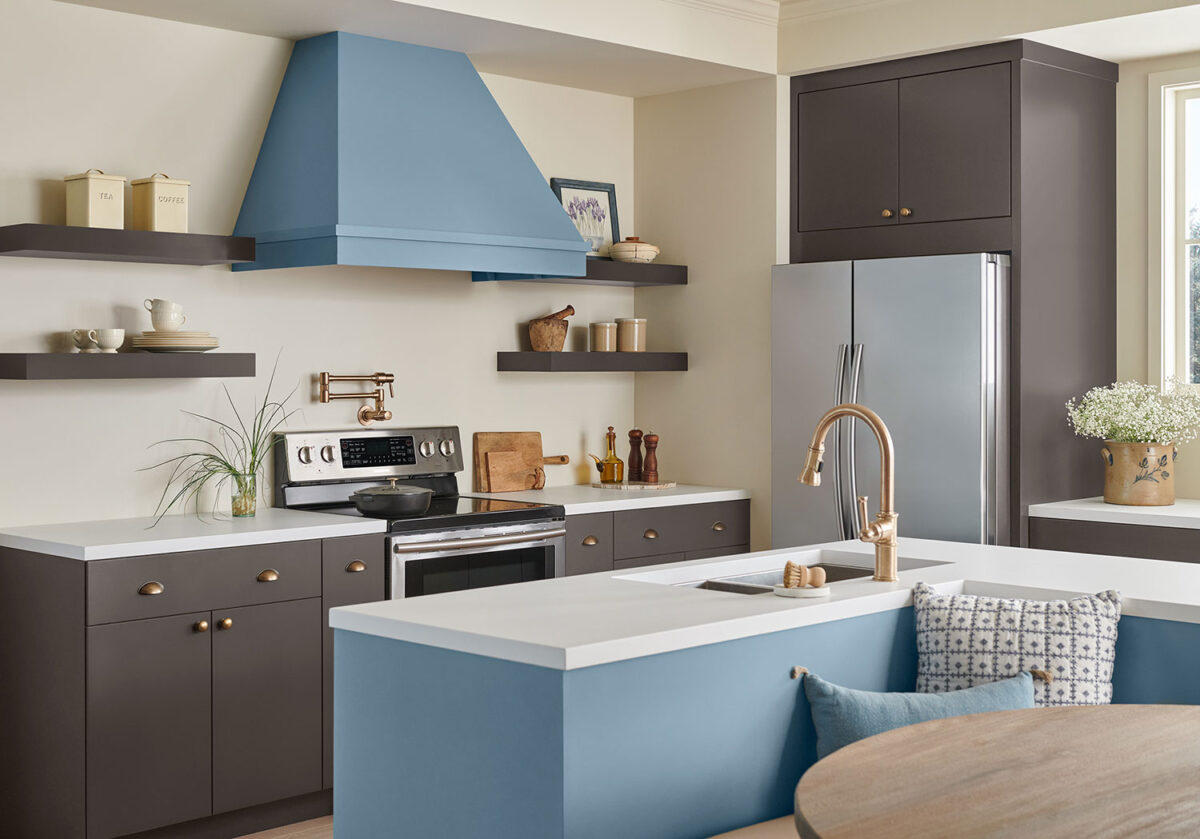
🧑‍🍳 Kitchen Colors: Fresh, Inviting, and Functional

The kitchen is where meals are made and memories are shared. It deserves colors that feel clean, energizing, and welcoming.

Top Picks:

  • Soft Whites & Creams: Classic and versatile, they brighten the space and pair well with any cabinetry.
  • Warm Grays & Greige: A modern neutral that complements stainless steel and wood finishes.
  • Sage Green: Earthy and calming, ideal for farmhouse or cottage-style kitchens.
  • Dusty Blue: Cool and refreshing, especially with white or light wood accents.
  • Terracotta or Clay: Adds rustic warmth and depth, perfect for Mediterranean-inspired designs.

🛏️ Bedroom Colors: Calm, Cozy, and Restful

Your bedroom should be a sanctuary—a place to unwind and recharge. The right colors can help promote relaxation and better sleep.

Top Picks:

  • Muted Blues: Like powder or slate blue, known for their calming effect.
  • Lavender or Mauve: Soft and romantic, great for creating a tranquil atmosphere.
  • Warm Neutrals: Taupe, sand, or mushroom tones offer a cozy, grounded feel.
  • Deep Greens: Forest or olive green creates a cocoon-like vibe.
  • Blush Pink: Gentle and comforting, especially in smaller or sunlit rooms.

Finish Tip: Opt for matte or eggshell finishes to reduce glare and enhance softness.

A bedroom in pale blue

đźšż Bathrooms: Refresh & Rejuvenate

Bathrooms benefit from clean, bright colors that evoke freshness and spa-like calm.

Top Color Picks:

  • Cool Grays & Charcoal: Sleek and modern, especially with chrome fixtures.
  • Seafoam or Aqua: Light and airy, perfect for coastal or spa-inspired designs.
  • Crisp White: Classic and clean—ideal for small spaces or minimalist styles.
  • Pale Peach or Coral: Adds warmth and personality without overwhelming.
  • Soft Mint Green: Refreshing and unique, pairs well with white tile.

Pro Tip:

Use satin or semi-gloss finishes to resist moisture and make cleaning easier.

A modern bathroom in pale peach with floating vanity and toilet

🖌️ Final Thoughts

Paint is one of the easiest and most impactful ways to transform your home. By choosing colors that suit each room’s purpose and personality, you’ll create a space that feels cohesive, comfortable, and uniquely yours.

Need help picking the perfect shade or finish? We are here to guide you every step of the way. Need help with the entire project? Call Mike 541-497-3804.

Sherwin-Williams Color Trends 2025

This year, Sherwin-Williams is leaning into warmth, depth, and nature-inspired hues that bring comfort and character to every space. Whether you’re building a house, planning a full remodel or just a weekend refresh, these trending colors offer endless possibilities.

🌿 Interior Color Trends

1. Urbane Bronze SW 7048

  • A rich, earthy brown-gray that adds depth and sophistication.
  • Perfect for accent walls, cabinetry, or cozy reading nooks.

2. Evergreen Fog SW 9130

Living room with muted green walls and a blend of Scandinavian and Japandi style furniture.
  • A calming green-meets-gray tone that’s ideal for bedrooms and living rooms.
  • Pairs beautifully with natural wood and soft textiles.

3. Redend Point SW 9081 (2023 Color of the Year, still trending)

  • A warm blush-beige that brings subtle warmth to any space.
  • Use it in entryways or bathrooms for a welcoming vibe.

4. Naval SW 6244

  • A classic navy that’s bold yet timeless.
  • Great for kitchen islands, built-ins, or dramatic accent walls.

5. Pure White SW 7005

  • A versatile, clean white with just enough warmth.
  • Ideal for trim, ceilings, and pairing with bold colors.

🏡 Exterior Color Trends

1. Iron Ore SW 7069

  • A deep charcoal that’s sleek and modern.
  • Use it for siding, shutters, or front doors to make a statement.

2. Alabaster SW 7008

  • A soft, creamy white that’s perfect for exteriors.
  • Works well with stone, brick, and wood accents.

3. Dried Thyme SW 6186

  • A muted green that blends beautifully with natural landscapes.
  • Ideal for farmhouse-style homes or garden sheds.

4. Tricorn Black SW 6258

  • A bold black that adds drama and elegance.
  • Use it for trim, doors, or modern exteriors.

How to Prepare a Room for Painting

Or call us!

1. Clear and Clean the Space

  • Remove furniture or push it to the center and cover with plastic sheeting.
  • Take down wall hangings, curtains, and light fixtures.
  • Unscrew outlet and switch covers and store them safely.
  • Clean the walls with mild soap and water to remove dust and grease.

2. Repair Wall Imperfections

  • Fill nail holes and cracks with spackle or filler.
  • Let it dry, then sand smooth with 220-grit sandpaper.
  • For larger repairs, consider using a drywall patch kit.

3. Protect Floors and Fixtures

  • Lay down drop cloths or plastic sheeting to protect floors.
  • Use painter’s tape to mask off trim, windows, and baseboards.
  • Cover furniture and fixtures with plastic or builder’s paper.

4. Prime the Walls (if needed)

  • Apply primer if you’re painting over dark colors or patched areas.
  • Use a brush for edges and a roller for large surfaces.
  • Let it dry completely before painting.

5. Final Touches Before Painting

  • Double-check that everything is taped and covered.
  • Stir your paint thoroughly.
  • Keep rags and water or mineral spirits nearby for quick cleanup.

Or you can call us at 541-497-3804.

Chemical Exposure for DIY Painters

Painting your home can be a rewarding project, but many DIY painters overlook the potential health risks of chemical exposure. Paints, primers, and cleaning solvents contain volatile organic compounds (VOCs) and other hazardous substances that, when inhaled or absorbed, can lead to serious health issues.

Common Chemical Risks in Painting

  1. Volatile Organic Compounds (VOCs) – Found in oil-based paints, primers, and thinners, VOCs can cause headaches, dizziness, and respiratory irritation. Long-term exposure may lead to organ damage.
  2. Lead-Based Paint – Older homes (built before 1978) may contain lead paint, which can cause neurological damage if sanded or scraped without proper precautions.
  3. Mold & Mildew Resistant Chemicals – Some paints contain antimicrobial agents that may irritate skin and lungs if not handled properly.
  4. Solvent-Based Cleaners – Paint removers and degreasers often contain harmful solvents like acetone or methylene chloride, which can affect the nervous system.

How to Stay Safe While Painting

  • Choose Low-VOC or Water-Based Paints – These are safer alternatives with fewer harmful fumes.
  • Ventilate the Area – Always work in well-ventilated spaces with open windows or fans to disperse fumes.
  • Wear Protective Gear – Use gloves, masks, and safety goggles to limit skin and inhalation exposure.
  • Avoid Eating or Drinking Near Paints – Prevent accidental ingestion of harmful substances.
  • Properly Dispose of Paint & Chemicals – Follow local regulations for disposing of hazardous materials responsibly.

Painting is a great DIY project, but safety should always come first. Protect yourself and your home by being mindful of chemical exposure risks. The very best way to avoid hidden chemical exposure is to hire the professionals at Paint Doctor’s Painting Service, 541-497-3804

The Curb Appeal of Fresh Paint

First impressions matter—especially when it comes to your home’s curb appeal. Whether you’re looking to increase property value, attract potential buyers, or simply take pride in your residence, a fresh exterior paint job can completely transform the way your home is perceived.

The Power of a Fresh Coat

Over time, exposure to the elements can make exterior paint fade, crack, or peel. A new paint job instantly revitalizes your home, giving it a clean, polished look that makes it stand out in the neighborhood.

Benefits of a Well-Painted Exterior:

  • Boosts Property Value – Homes with updated exteriors tend to sell faster and at higher prices.
  • Enhances Visual Appeal – A fresh color scheme can modernize your home and complement its architecture.
  • Protects Against the Elements – High-quality paint acts as a barrier against moisture, UV rays, and other environmental factors that can cause damage.

Choosing the Right Color

Selecting the perfect exterior color is key to maximizing curb appeal. Neutral tones like greys, beiges, and whites provide timeless elegance, while deeper hues like navy or forest green add sophistication. Want a pop of personality? A bold front door can make a memorable statement.

A Small Investment with Big Results

Refreshing your home’s exterior paint is one of the most cost-effective ways to enhance curb appeal. It’s a project that makes an immediate impact while protecting your home for years to come.

If your home’s exterior is looking tired, a fresh coat of paint could be the perfect solution. Ready to transform your curb appeal?

Must-Have DIY Painting Supplies

Paint – Choose the right type and finish for your project.

Paint Rollers & Brushes – Rollers for large surfaces, brushes for detailed work.

Painter’s Tape – Helps create clean edges and protects trim.

Drop Cloths or Plastic Sheets – Keeps floors and furniture paint-free.

Paint Tray – Holds paint for easy roller loading.

Sandpaper or Sanding Block – Preps surfaces for a smooth finish.

Stir Sticks – Ensures even color consistency.

Putty & Putty Knife – Repairs holes and imperfections before painting.

Primer – Helps paint adhere better and last longer.

Gloves & Mask – Protects hands and lungs during the job.

Of course, you don’t need any of this stuff if you give us a call: 541-497-3804

Paint Rollers

When you think about painting, the first tool that comes to mind might be the trusty brush, but let’s take a moment to appreciate the real workhorse of the painting world—the paint roller. If you’re tackling a large surface, nothing beats the efficiency, coverage, and smooth finish that a well-chosen roller can provide.

The Paint Doctor describes the benefits of using a paint roller
Some DIY projects require brushes and rollers.

Why Paint Rollers Matter

Paint rollers are designed to hold and distribute paint evenly, making them the perfect tool for painting walls, ceilings, and other broad surfaces. They reduce streaks, help you work faster, and can even add texture when used creatively.

Choosing the Right Roller

Not all rollers are created equal. Here’s a quick guide to help you pick the perfect one:

  • Foam Rollers – Ideal for ultra-smooth surfaces and glossy finishes.
  • Nap Rollers – Available in different thicknesses (or “nap” sizes). A thicker nap (like ¾”) is great for textured walls, while a thinner nap (like ¼”) works best on smooth surfaces.
  • Microfiber Rollers – Perfect for minimal splatter and maximum coverage, making them a favorite for DIY painters.

Pro Tips for Using a Paint Roller

  1. Load Properly – Roll it in the tray and make sure it’s evenly coated but not dripping.
  2. Use the “W” Technique – Start by rolling in a “W” shape to distribute the paint, then fill in the gaps.
  3. Avoid Over-Rolling – Too many strokes over the same spot can leave unwanted texture or uneven coverage.
  4. Keep It Clean – Rinse your roller after use and store it properly for future projects.

Elevate Your Painting Game

A great roller can make all the difference in your painting experience. Whether you’re revamping a room or tackling a big project, choosing the right roller ensures a smooth, professional-looking finish with minimal effort.

So next time you’re gearing up for a paint job, don’t underestimate this unsung hero—your walls will thank you!

Of course, you can avoid all of the hassles of rollers, brushes and sprayers by giving us a call, 541-497-3804

Neutral Colors

According to the color experts at Sherwin-Williams, “It’s not always warm or cool. Sometimes color falls in the middle for a hue that’s a perfect blend of both. Neutrals can take on the meaning of the colors they’re paired with or they can stand on their own. Either way, these transitional hues are tried and true thanks to their timeless appeal and versatility.”

An air of mystery surrounds this bold hue that’s commonly associated with power, elegance and an ability to coordinate with any design style. While this color is most often used as an accent, we’re starting to see it take center stage in newer design trends. Dark shades are working their way into our homes more and more to create a space that’s rich, dramatic and full of dimension. Create a contemporary look by pairing black with rich jewel tones or play up its softer side with natural wood tones and neutral furnishings.
It’s technically the absence of color, but when it comes to white, there’s more than meets the eye. Known for its light and innocence, this hue can often be viewed as simple, but a variety of tints and tones proves there’s more complexity than you’d think. Bright whites can help design a space that feels larger and spacious, while softer whites create a sense of warmth and coziness. No matter which way it’s used, this neutral provides a backdrop for endless options.
The conservative nature of this balanced shade infuses spaces with the mystery of black and the lightness of white. Lighter shades of gray can be used to achieve bright modern looks, whereas darker shades can be used to create a bolder space that’s more dramatic, but gray’s versatility doesn’t stop there. It comes in a variety of shades with undertones ranging from red to blue and everything in between.
Rounding out the warm end of the neutral spectrum is a nurturing hue that comes in a variety of tints and tones. Like its gray counterpart, beige is a great transitional color that can take on warm or cool depending on what’s surrounding it. Its natural warmth derives from brown undertones that capture the comfort and calmness that we all seek in a home.

Whatever your color choice, we can apply with all of the expert care and preparation a long-lasting paint job requires. Call the Paint Doctor 541-497-3804

Prepping for Interior Paint

To the casual observer, painting an interior room is simply a matter of dipping a brush or roller in paint and brushing/rolling it on. The reality is that a quality paint job involves a lot of preparation. If you are thinking about doing your own interior paint project, here are some of the steps involved:

1. Clear the Area

Furniture: Move all furniture out of the rooms to be painted. If moving them out isn’t possible, push them to the center of the room and cover them with plastic sheets or drop cloths. Wall Hangings: Take down pictures, mirrors, and other wall decorations. Store them safely in a different room.

2. Clean the Walls

Dust and Dirt: Wipe down the walls to remove dust and dirt. A clean surface helps the paint adhere better. Grease and Stains: Use a mild detergent to clean any greasy or stained areas, especially in kitchens and bathrooms.

3. Protect Fixtures and Floors

Outlet Covers and Light Switches: Remove cover plates from outlets and switches. Cover the exposed outlets with painter’s tape for protection. Floors: Lay down drop cloths or plastic sheets to protect floors from paint drips and spills. Secure them with painter’s tape to prevent them from shifting.

4. Address Repairs

Nail Holes and Cracks: Fill any nail holes, cracks, or dents with spackle or putty. Allow it to dry completely, then sand it smooth. Loose Wallpaper or Peeling Paint: Remove any loose wallpaper or peeling paint. Smooth the edges and sand the area to ensure a uniform surface.

5. Gather Supplies

Tools and Materials: Gather any tools or supplies you might need, such as ladders, tape, brushes, and rollers. Organize them in a convenient location. Lighting: Ensure the room has adequate lighting. If the room is dark, consider adding temporary lights so you can see your work clearly.

6. Confirm Paint Details

Confirm paint colors, coordinating colors and finish types.

7. Safety Considerations

Pets and Children: Keep pets and children out of the work area for their safety and to avoid interruptions. Ventilation: Ensure proper ventilation in the rooms being painted. Open windows or use fans to help with airflow and reduce paint fumes. Ladders: Falling is a serious hazard associated with ladder work and can result in injury or death.

Alternatively, you can call the Paint Doctor and we will take care of most of the steps listed above as normal part of our scope of work, 541-497-3804

Max Monochrome

Check out this approach to interior color. Using one color for the entire room, “brings harmony and creates the impression of open space,” according to Sherwin-Williams. Notice the extent to which this concept was taken. Walls, ceiling, book case, window seat, casing and desk all in the same color. The color is Mount Etna SW 7625. We can do this. Call Mike 541-497-3804.

Photo credit: @our_edith_house via Sherwin-Williams.