“Oranges are friendly and welcoming, perfect in family rooms, children’s bedrooms or bonus rooms,” according to Sherwin-Williams.
Radiate warmth, happiness and rejuvenation with orange paint colors, ideal for gathering spaces of all ages. Orange colors are unique because they combine the uplifting energy of reds with the spirited tone of yellow, even offering a slight impact on appetite in the right setting.
Like a bright autumn leaf just turned. Nice shade for a dining room or front door.
Hey Beaver Believers, there are lots of oranges to choose from!
Call us for an install of your OSU pride accent wall 541-497-3804
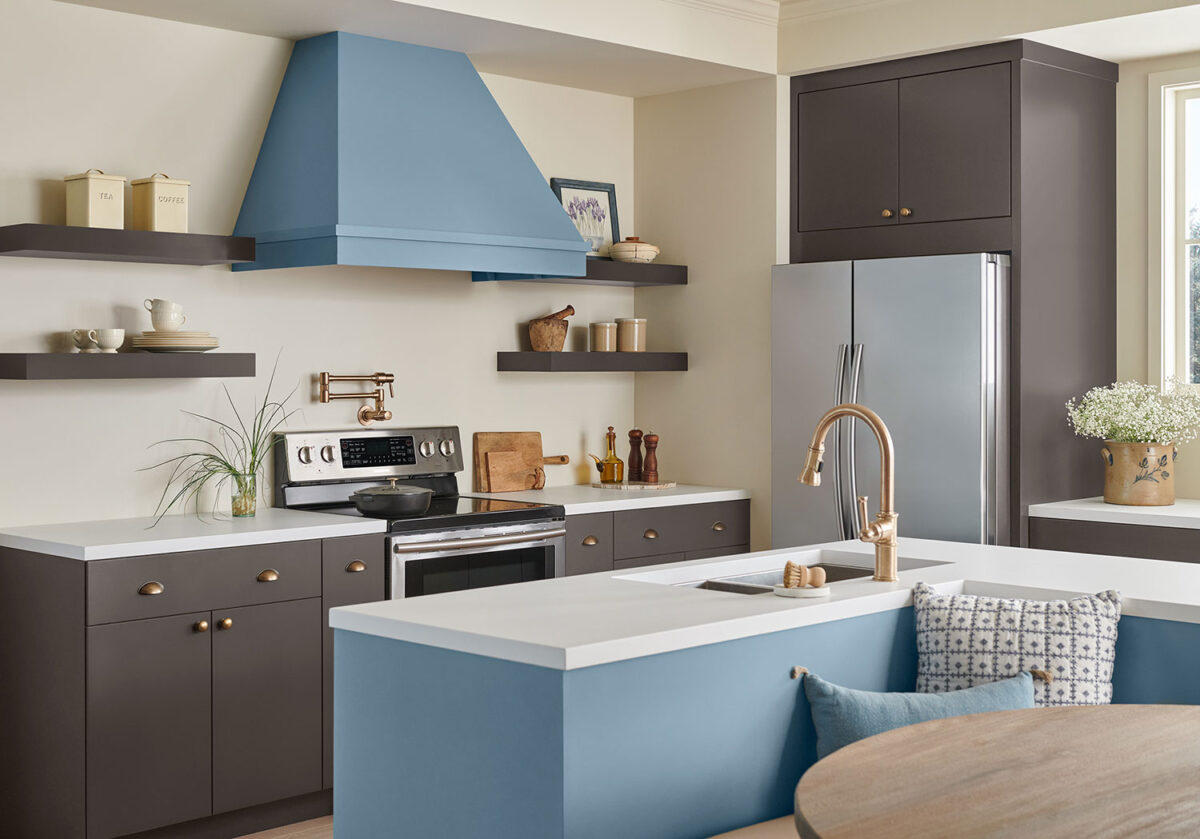
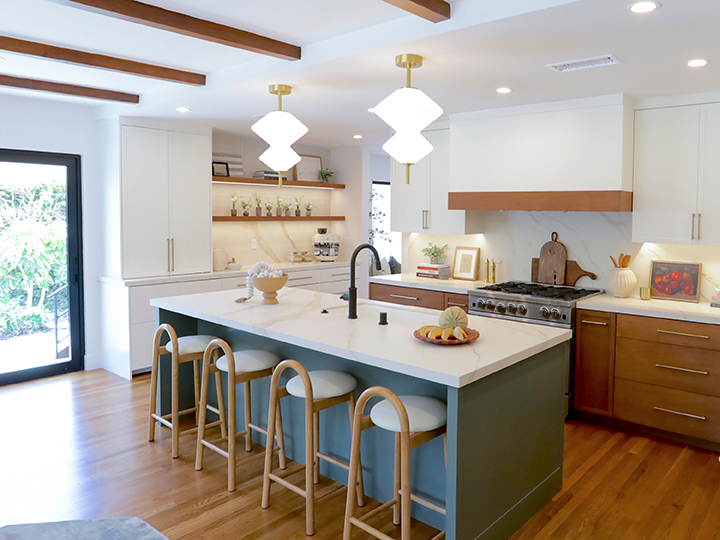
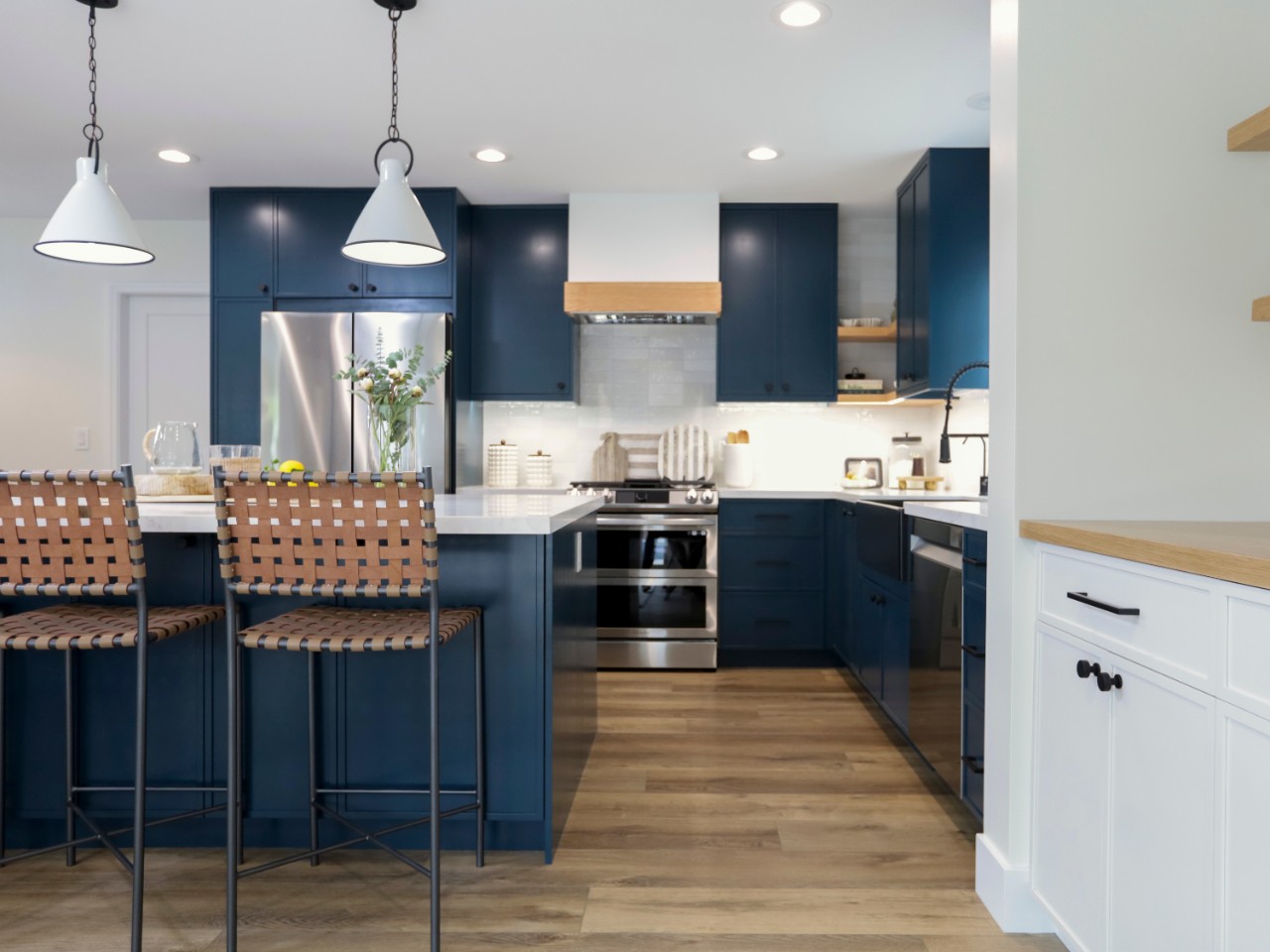
When choosing kitchen colors, prioritize the room’s size, lighting, and desired mood, using light shades (white, beige) to expand small spaces and dark, bold tones (navy, green) to add drama to larger ones. Consider existing elements like countertops, flooring, and hardware, and select a palette that reflects your personal style while balancing, warm, or neutral tones.
Key Considerations for Kitchen Colors:
Size and Layout: Small kitchens benefit from lighter colors to feel more open and bright. Larger, well-lit spaces can handle darker, more dramatic colors.
Natural and Artificial Lighting: North-facing kitchens often have cooler, blue-toned light, requiring warmer colors, while south-facing kitchens handle brighter, warmer colors well.
Kitchen Style and Vibe:
Cozy/Rustic: Earthy tones, such as olive green or terracotta.
Modern/Sophisticated: Dark, moody colors like charcoal or deep blue.
Classic/Timeless: White, cream, gray, or neutral palettes.
Existing Elements: Choose colors that complement or contrast with fixed, hard-to-change items like countertops, cabinets, and backsplashes.
Psychological Impact: Warm colors (red, yellow) can create a high-energy, social space or stimulate appetite, whereas cool tones (blue, green) create a calming, relaxed, and fresh atmosphere.
Durability and Trends: Neutral colors generally offer better long-term, timeless appeal, while bold colors should be chosen based on personal preference rather than passing trends.
Color Application Ideas:
Cabinets: Use bold, deep colors on islands or base cabinets to create focal points.
Walls: Light, neutral shades can make the overall kitchen feel larger and more cohesive.
Two-Toned: Combine light upper cabinets with darker lower cabinets for a balanced, modern look.
Clear Debris: Remove any loose material or protruding wall fragments around the hole to ensure a flat surface.
Create a Dimple (Optional): For a more flush finish, use the handle of a putty knife or a hammer to lightly press the edges of the hole inward, creating a small “dimple” for the spackle to sit in.
Address Anchors: If there is a plastic anchor in the hole, either pull it out with pliers or drive it slightly below the wall surface with a screwdriver and hammer before filling.
Application
Apply Spackle: Use a flexible putty knife or your finger (for very small holes) to press a small amount of spackle into the hole.
Overfill Slightly: Spackle can shrink as it dries. Apply slightly more than needed so it sits just above the surface of the wall.
Wipe Excess: Carefully wipe away excess spackle from the surrounding wall with a damp cloth or the edge of your putty knife to minimize sanding later and to avoid changing the texture of the surrounding area.
Finishing
Dry Time: Let the spackle dry completely. Depending on the product and hole size, this can take anywhere from 30 minutes to a few hours.
Sand Smooth: Once dry, use a fine-grit sanding sponge or sandpaper (220-grit) to lightly sand the patch until it is perfectly flush with the wall.
Clean Dust: Wipe away any sanding dust with a clean, dry rag or tack cloth.
Paint: Apply a small amount of matching paint over the patch. For the best results, use a small brush and “feather” the edges to blend it into the existing wall texture.
Better yet, call us. We’ll take care of the details. 541-497-3804
Here at the Paint Doctor’s Painting Service we use only quality paint because we take pride in our work, we stand behind our work and because we are watching out for the good of our customers.
There are many reasons to choose quality paint when working on your own.
Pigments: Quality paints use higher concentrations of prime pigments, such as titanium dioxide, which provide rich, vibrant color and better hiding power. Cheap paints use fewer prime pigments and more low-quality fillers (like clay or calcium carbonate) that do not enhance color or coverage.
Binders: Binders are the resins that help the paint adhere to the surface and form a durable film. Premium paints use superior high-quality resins (like 100% acrylic for water-based paints) that create a stronger, more flexible bond, resisting cracking, peeling, and blistering. Cheap paints use lower-grade binders that result in weaker adhesion and faster deterioration.
Liquids/Solvents: Solvents are the liquid carriers that help apply the paint and then evaporate as it dries. Cheap paints are often diluted with a higher water or solvent content, making them thinner and runnier, which negatively impacts coverage. Quality paints have a higher ratio of solids (pigments and binders) to liquids, resulting in a thicker consistency and better coverage.
Additives: Quality paints often include specialized additives for enhanced performance, such as mildew resistance, UV protection, and stain blocking. Many cheap paints lack these beneficial additives
Performance and Value Comparison
While cheap paint has a lower upfront cost, quality paint provides better long-term value due to its superior performance characteristics:
Feature
Cheap House Paint
Quality House Paint
Coverage
Requires more coats (3-4+) for full, even coverage.
Achieves full coverage in 1-2 coats.
Durability
Prone to chipping, cracking, peeling, and scuffing.
Highly durable, resisting damage and wear and tear.
Longevity
Short lifespan, often needing repainting every 2-4 years indoors and 1-3 years outdoors.
Long lifespan, typically lasting 8-12 years indoors and 7-10 years outdoors.
Color Retention
Fades quickly when exposed to sunlight and the elements.
Retains color and vibrancy for years due to better pigments.
Application
Thinner consistency, can be streaky, patchy, and more difficult to apply evenly.
Thicker, smoother, and easier to apply, resulting in a professional finish.
Washability/Maintenance
Difficult to clean; scrubbing can damage the finish.
Easy to clean and highly scrub-resistant without damage.
Long-Term Cost
Lower initial cost, but higher long-term cost due to frequent repainting and more labor.
Higher initial cost, but lower long-term cost as it lasts longer and requires less maintenance.
For most projects, especially high-traffic areas or exteriors where durability is essential, investing in quality paint saves time, effort, and money in the long run.
If all of this self-help talk is making you feel tired, give us a call and we can take care of your project with long-lasting, quality products, 541-497-3804.
“Where Casual Elegance Meets Striking Style: Filled with French-inspired opulence, Borscht evokes Parisian romanticism and harkens back to classical interiors that feel effortlessly chic. Equal parts artistic and intellectual. Practical and ornate. Composed and confident,” according to Sherwin-Williams“Borscht brings the ‘wow factor’ to intricate interiors,” says Emily Kantz, Color Marketing Manager at Sherwin-Williams.
About Borscht
Borscht is a sophisticated hue that works seamlessly with cooler neutrals, warm woods and a range of metallic accents. It’s prime for color drenching, brings eye-catching depth to decorative elements and an ideal candidate for gathering spaces like dining and living rooms, where comfort and character come together.
These colors go well with Borscht. As you can see from the photos, white works great as well.
If you are ready for a change to your interior vibe, give us a call 541-497-3804.
“An evolution of the classic bachelor aesthetic – add a touch of moody maturity with this rich neutral.”
Sealskin lands somewhere between charcoal and bronze, let’s call it a brown-gray. It sets the mood for any room, giving way to personal touches and casual comfort. Compatible with a range of neutrals, Sealskin’s deep hue strikes a balance between warm and cool tones — making it an ideal choice for concealing wear.
As a professional paint contracting business, Paint Doctor’s Painting is licensed and insured. We hire skilled and experienced painters and emphasize strong project management. We endeavor to give meticulous attention to detail at every level. We go beyond proper surface preparation and product application and purpose to have excellent client-facing attributes with clear communication, guarantees, and a professional attitude.
Our Operational and Skill-Based Characteristics
Skilled workforce: We employ experienced painters who are knowledgeable about different surfaces, materials, and techniques.
Surface preparation: We prioritize proper prep work, including cleaning, sanding, patching, and priming, for a durable and high-quality finish.
Meticulous attention to detail: We demonstrate a commitment to quality through careful, detailed work on every project.
Proper management: We utilize good time management and organizational skills to keep projects on track.
Quality materials: We use high-grade primers and paints from reliable manufacturers.
Our Legal and Financial Characteristics
Licensing and insurance: We are properly licensed to operate and carry comprehensive insurance, including liability and workers’ compensation, to our clients, our business, and our employees.
Guarantees and warranties: We back our work with guarantees and warranties to ensure client satisfaction and protect their investment.
Transparent pricing: We provide clear, upfront pricing and are transparent about costs.
Our Client-Facing and Professionalism Characteristics
Clear communication: We communicate promptly, honestly, and clearly with clients, answering questions and providing details about the project timeline and potential contingencies.
Professionalism and respect: We treat clients and their property with respect, maintaining a courteous and professional attitude throughout the project.
Strong references: We have a history of satisfied customers and can provide strong references.
Client management: We focus on customer service to ensure satisfaction and build relationships for repeat business and referrals.