The Power of Paint to Boost Curb Appeal

Make a stunning first impression with the help of a fresh coat of paint

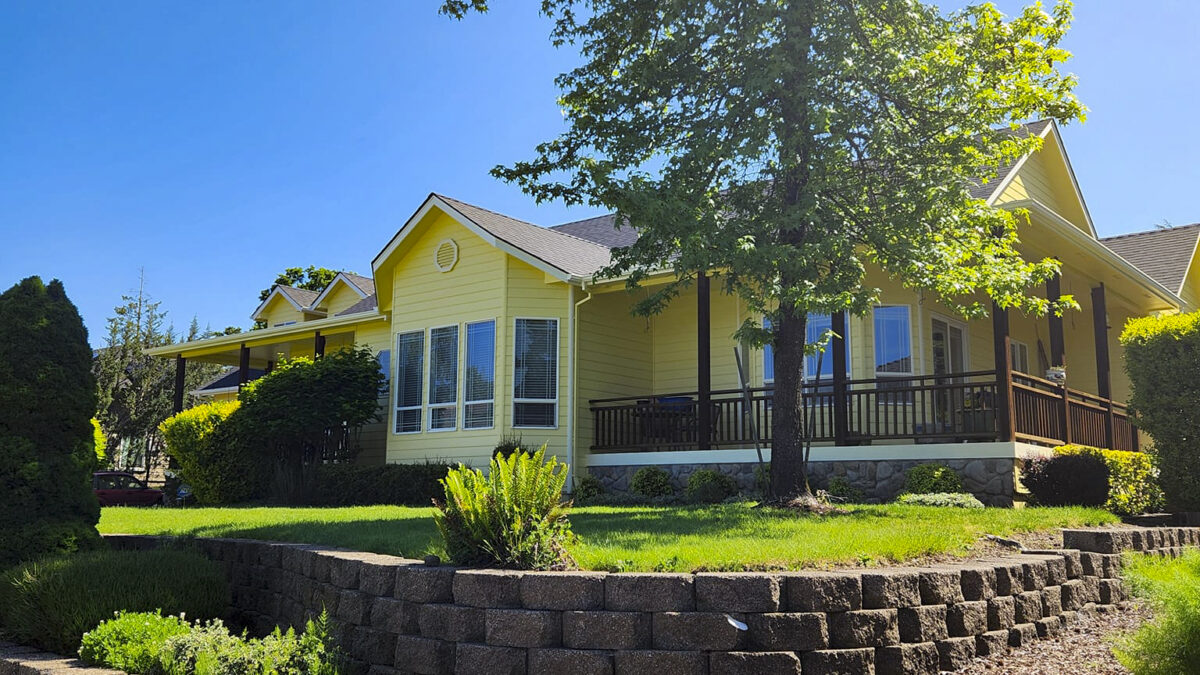
Your home’s exterior is the first thing guests, neighbors, and potential buyers see. It sets the tone for your property and reflects your personal style. A fresh coat of paint is one of the most effective ways to instantly enhance your curb appeal, making a significant impact on how your home is perceived. 

Why is curb appeal important?

Beyond simply looking good, a well-maintained exterior contributes to your home’s overall value. Research suggests that homes with better curb appeal can sell for more than those that appear less inviting. It also sends a message to potential buyers that the home has been well-cared for and maintained, increasing their confidence in the property. 

The transformative power of paint

  • Instantly refreshes: A new paint job instantly breathes life into a tired exterior, covering imperfections and creating a clean, polished look.
  • Updates style: Repainting allows you to update your home’s color scheme and style, giving it a modern and attractive look that reflects your taste and complements its architecture.
  • Highlights architectural features: Strategic color choices can accentuate your home’s unique features, such as trim, windows, or intricate details, enhancing its character and making it stand out. 

Choosing the right colors for curb appeal

When selecting exterior paint colors, consider the following:

  • Home’s architectural style: Different architectural styles lend themselves to different color palettes. For instance, Craftsman-style homes often embrace earthy tones, while modern designs may favor grays, blacks, and whites.
  • Neighborhood aesthetics: Consider the prevalent colors and styles in your neighborhood to choose a color that harmonizes with the surroundings while still reflecting your personality.
  • Permanent features: Consider your roof color and other materials (e.g., brick, stone) when choosing paint colors to ensure a cohesive look.
  • Lighting: Exterior paint colors can appear differently in various lighting conditions. Test samples on different sides of your home at different times of the day to see how they truly look.
  • Professional advice: If you’re feeling overwhelmed, don’t hesitate to consult with experienced painters who can provide valuable insights based on their knowledge of color, architectural styles, and local aesthetics. 

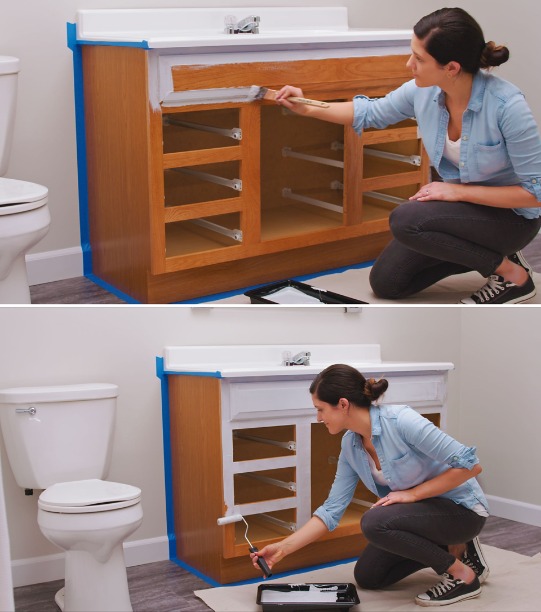
How to Prepare a Room for Painting

Or call us!

1. Clear and Clean the Space

  • Remove furniture or push it to the center and cover with plastic sheeting.
  • Take down wall hangings, curtains, and light fixtures.
  • Unscrew outlet and switch covers and store them safely.
  • Clean the walls with mild soap and water to remove dust and grease.

2. Repair Wall Imperfections

  • Fill nail holes and cracks with spackle or filler.
  • Let it dry, then sand smooth with 220-grit sandpaper.
  • For larger repairs, consider using a drywall patch kit.

3. Protect Floors and Fixtures

  • Lay down drop cloths or plastic sheeting to protect floors.
  • Use painter’s tape to mask off trim, windows, and baseboards.
  • Cover furniture and fixtures with plastic or builder’s paper.

4. Prime the Walls (if needed)

  • Apply primer if you’re painting over dark colors or patched areas.
  • Use a brush for edges and a roller for large surfaces.
  • Let it dry completely before painting.

5. Final Touches Before Painting

  • Double-check that everything is taped and covered.
  • Stir your paint thoroughly.
  • Keep rags and water or mineral spirits nearby for quick cleanup.

Or you can call us at 541-497-3804.

Chemical Exposure for DIY Painters

Painting your home can be a rewarding project, but many DIY painters overlook the potential health risks of chemical exposure. Paints, primers, and cleaning solvents contain volatile organic compounds (VOCs) and other hazardous substances that, when inhaled or absorbed, can lead to serious health issues.

Common Chemical Risks in Painting

  1. Volatile Organic Compounds (VOCs) – Found in oil-based paints, primers, and thinners, VOCs can cause headaches, dizziness, and respiratory irritation. Long-term exposure may lead to organ damage.
  2. Lead-Based Paint – Older homes (built before 1978) may contain lead paint, which can cause neurological damage if sanded or scraped without proper precautions.
  3. Mold & Mildew Resistant Chemicals – Some paints contain antimicrobial agents that may irritate skin and lungs if not handled properly.
  4. Solvent-Based Cleaners – Paint removers and degreasers often contain harmful solvents like acetone or methylene chloride, which can affect the nervous system.

How to Stay Safe While Painting

  • Choose Low-VOC or Water-Based Paints – These are safer alternatives with fewer harmful fumes.
  • Ventilate the Area – Always work in well-ventilated spaces with open windows or fans to disperse fumes.
  • Wear Protective Gear – Use gloves, masks, and safety goggles to limit skin and inhalation exposure.
  • Avoid Eating or Drinking Near Paints – Prevent accidental ingestion of harmful substances.
  • Properly Dispose of Paint & Chemicals – Follow local regulations for disposing of hazardous materials responsibly.

Painting is a great DIY project, but safety should always come first. Protect yourself and your home by being mindful of chemical exposure risks. The very best way to avoid hidden chemical exposure is to hire the professionals at Paint Doctor’s Painting Service, 541-497-3804

When Is the Best Time to Paint Your House?

Painting your home is a major investment, and timing plays a crucial role in achieving a flawless finish that lasts. Choosing the right season, temperature, and weather conditions can make all the difference. Here’s what homeowners should consider when planning their painting project.

Factors That Affect Paint Performance

  1. Temperature Matters – Paint dries best between 50°F and 85°F (10°C–30°C). Too cold, and the paint won’t adhere properly; too hot, and it may dry too fast, leading to cracks.
  2. Humidity Levels – High humidity can slow down drying time and cause paint to bubble. A dry climate ensures a smoother application.
  3. Sunlight Exposure – Direct sunlight can cause paint to dry unevenly, leading to streaks. It’s best to paint in the shade or during cooler parts of the day.
  4. Rain Risk – Painting in rainy conditions or right before rainfall can wash away fresh paint. Always check the forecast!

Best Seasons to Paint Your House

  • Spring – Our Willamette Valley springs can be very wet so timing exterior paint takes some experience.
  • Summer (With Caution) – If temperatures stay within the optimal range, summer can be great. Just avoid extreme heat and direct midday sun.
  • Early Fall – With moderate temperatures and less humidity, can be ideal for exterior painting.
  • Winter (Not Ideal) – Cold temperatures prevent proper drying, so exterior painting is best avoided unless using specialized cold-weather paints.

Final Tips for a Successful Paint Job

  • Choose a wind-free day to prevent debris from sticking to wet paint.
  • Start early in the morning or late afternoon to avoid peak heat.
  • Ensure at least 24 hours of dry weather after painting for the best results.

By selecting the right time to paint, homeowners can achieve a durable, long-lasting finish.

Of course, when you hire the Paint Doctor’s Painting Service, we take care of all of these details. 541-497-3804

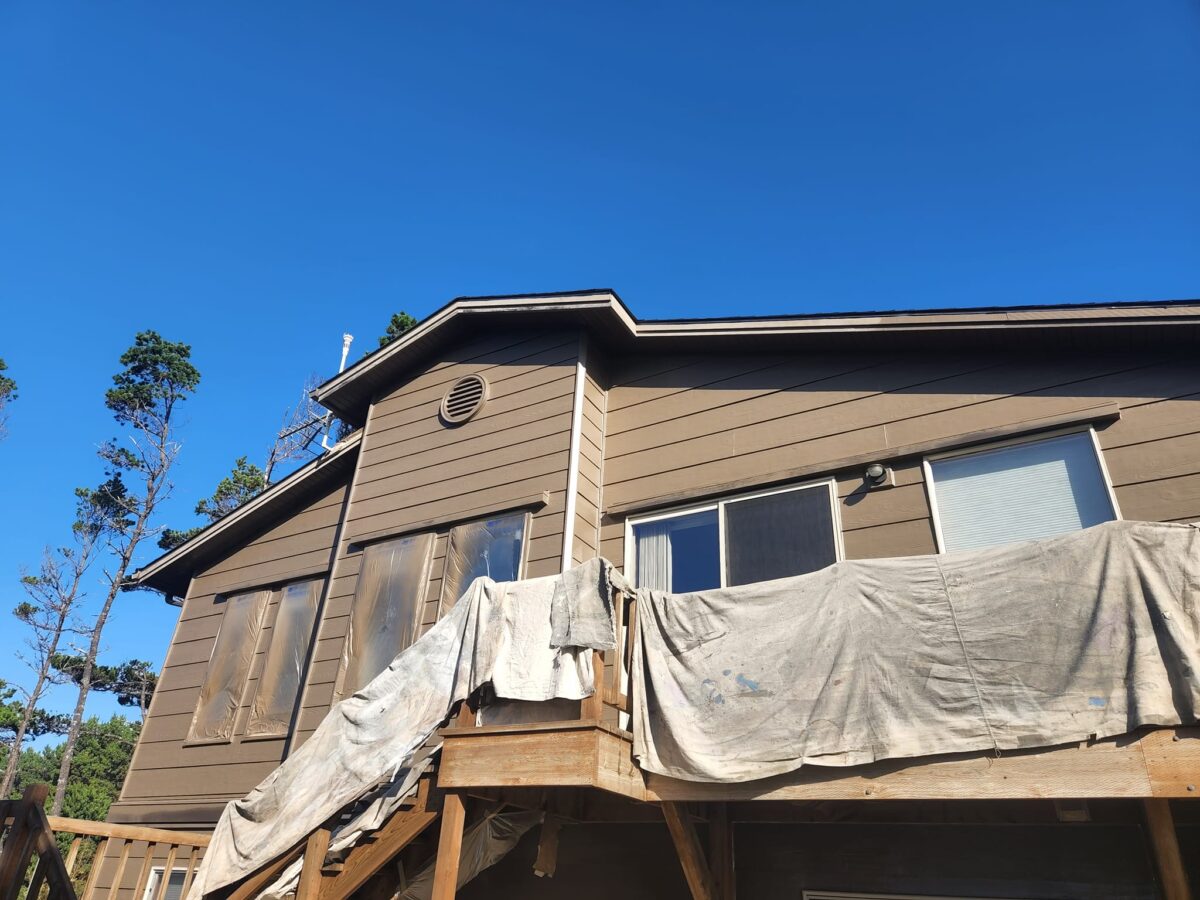
The Hidden Hazards of DIY Ladder Use in Home Painting

Painting a home is a satisfying DIY project, but when ladders come into play, the risks quickly multiply. Many homeowners underestimate the dangers, assuming a sturdy ladder and steady hands are enough. Unfortunately, falls from ladders are one of the leading causes of home improvement injuries.

Why Ladders Can Be Dangerous for DIY Painters

  1. Lack of Experience – Professionals train extensively in ladder safety, but homeowners often lack the knowledge needed to use them correctly.
  2. Improper Setup – A ladder that isn’t on stable ground or secured properly can tip over in an instant.
  3. Overreaching – Leaning too far to the side while painting can cause the ladder to lose balance. It’s always safer to move the ladder instead.
  4. Slippery Surfaces – Paint spills or wet conditions can make ladder steps slick, increasing the likelihood of slipping.
  5. Fatigue & Distraction – Painting is physically demanding. A tired or distracted homeowner is far more likely to lose focus and make a dangerous misstep.

Safe Alternatives for Home Painting

  • Use an Extension Pole – Instead of climbing high, consider using an extendable roller for hard-to-reach areas.
  • Consider Scaffolding – For exterior projects, renting scaffolding provides a much more stable platform.
  • Hire a Professional – If a project requires significant ladder use, it may be best left to experienced contractors who know how to navigate ladder safety. Give us a call 541-497-3804.

Home improvement is rewarding, but safety must always come first. If you’re considering a DIY painting project that involves a ladder, think twice about the risks—and take every precaution to protect yourself and your home.

Stay safe, and happy painting!

ladder work at the Oregon coast
ladder work during house painting

The Curb Appeal of Fresh Paint

First impressions matter—especially when it comes to your home’s curb appeal. Whether you’re looking to increase property value, attract potential buyers, or simply take pride in your residence, a fresh exterior paint job can completely transform the way your home is perceived.

The Power of a Fresh Coat

Over time, exposure to the elements can make exterior paint fade, crack, or peel. A new paint job instantly revitalizes your home, giving it a clean, polished look that makes it stand out in the neighborhood.

Benefits of a Well-Painted Exterior:

  • Boosts Property Value – Homes with updated exteriors tend to sell faster and at higher prices.
  • Enhances Visual Appeal – A fresh color scheme can modernize your home and complement its architecture.
  • Protects Against the Elements – High-quality paint acts as a barrier against moisture, UV rays, and other environmental factors that can cause damage.

Choosing the Right Color

Selecting the perfect exterior color is key to maximizing curb appeal. Neutral tones like greys, beiges, and whites provide timeless elegance, while deeper hues like navy or forest green add sophistication. Want a pop of personality? A bold front door can make a memorable statement.

A Small Investment with Big Results

Refreshing your home’s exterior paint is one of the most cost-effective ways to enhance curb appeal. It’s a project that makes an immediate impact while protecting your home for years to come.

If your home’s exterior is looking tired, a fresh coat of paint could be the perfect solution. Ready to transform your curb appeal?

Must-Have DIY Painting Supplies

Paint – Choose the right type and finish for your project.

Paint Rollers & Brushes – Rollers for large surfaces, brushes for detailed work.

Painter’s Tape – Helps create clean edges and protects trim.

Drop Cloths or Plastic Sheets – Keeps floors and furniture paint-free.

Paint Tray – Holds paint for easy roller loading.

Sandpaper or Sanding Block – Preps surfaces for a smooth finish.

Stir Sticks – Ensures even color consistency.

Putty & Putty Knife – Repairs holes and imperfections before painting.

Primer – Helps paint adhere better and last longer.

Gloves & Mask – Protects hands and lungs during the job.

Of course, you don’t need any of this stuff if you give us a call: 541-497-3804

Paint Rollers

When you think about painting, the first tool that comes to mind might be the trusty brush, but let’s take a moment to appreciate the real workhorse of the painting world—the paint roller. If you’re tackling a large surface, nothing beats the efficiency, coverage, and smooth finish that a well-chosen roller can provide.

The Paint Doctor describes the benefits of using a paint roller
Some DIY projects require brushes and rollers.

Why Paint Rollers Matter

Paint rollers are designed to hold and distribute paint evenly, making them the perfect tool for painting walls, ceilings, and other broad surfaces. They reduce streaks, help you work faster, and can even add texture when used creatively.

Choosing the Right Roller

Not all rollers are created equal. Here’s a quick guide to help you pick the perfect one:

  • Foam Rollers – Ideal for ultra-smooth surfaces and glossy finishes.
  • Nap Rollers – Available in different thicknesses (or “nap” sizes). A thicker nap (like ¾”) is great for textured walls, while a thinner nap (like ¼”) works best on smooth surfaces.
  • Microfiber Rollers – Perfect for minimal splatter and maximum coverage, making them a favorite for DIY painters.

Pro Tips for Using a Paint Roller

  1. Load Properly – Roll it in the tray and make sure it’s evenly coated but not dripping.
  2. Use the “W” Technique – Start by rolling in a “W” shape to distribute the paint, then fill in the gaps.
  3. Avoid Over-Rolling – Too many strokes over the same spot can leave unwanted texture or uneven coverage.
  4. Keep It Clean – Rinse your roller after use and store it properly for future projects.

Elevate Your Painting Game

A great roller can make all the difference in your painting experience. Whether you’re revamping a room or tackling a big project, choosing the right roller ensures a smooth, professional-looking finish with minimal effort.

So next time you’re gearing up for a paint job, don’t underestimate this unsung hero—your walls will thank you!

Of course, you can avoid all of the hassles of rollers, brushes and sprayers by giving us a call, 541-497-3804

Shiitake, May 2025 Color of the Month

Add a touch of cozy elegance with Shiitake, Sherwin-Williams’ May 2025 Color of the Month.

An adaptable stone gray, Shiitake strikes a balance between composed and casual.

Applying Urethane

Why Choose Urethane?

Urethane coatings are known for their excellent resistance to abrasions, chemicals, and UV exposure, making them ideal for both indoor and outdoor applications. They come in different finishes—glossy, satin, or matte—giving you versatility in achieving your desired aesthetic.

Preparation Is Everything

Before dipping your brush or sprayer into urethane, take time to prepare the surface:

  • Clean Thoroughly: Remove dirt, grease, and old finishes to ensure proper adhesion.
  • Sand Smoothly: Lightly sand the surface for better grip and wipe away dust with a tack cloth.
  • Prime If Necessary: Depending on the material, a primer may enhance adhesion and uniformity.

Application Techniques

Applying urethane requires patience and precision:

  • Use the Right Tools: A high-quality brush or foam applicator works well for smaller projects, while a spray gun ensures even coverage for larger areas.
  • Thin, Even Coats: Apply multiple thin layers rather than one thick coat to avoid drips and uneven drying.
  • Watch the Dry Time: Allow each coat to cure properly before adding another—this prevents bubbling or tackiness.
  • Ventilate the Area: Urethane contains strong solvents, so good airflow helps prevent inhalation hazards and speeds up drying.

Troubleshooting Common Issues

  • Bubbles in the Finish? Apply slowly, avoid excessive shaking of the product, and ensure a dust-free environment.
  • Sticky Surface? Check humidity levels and allow additional drying time between coats.
  • Uneven Coverage? Use light sanding between coats and maintain consistent application strokes.

Protecting Your Work

Once fully cured, urethane forms a tough, resilient barrier—but it still benefits from proper maintenance. Clean gently with non-abrasive cleaners and avoid harsh scrubbing that may dull the finish over time.

A well-applied urethane coating transforms surfaces with durability and elegance. With the right preparation and technique, your project will look professionally finished and stand the test of time.