Drop Cloth Options

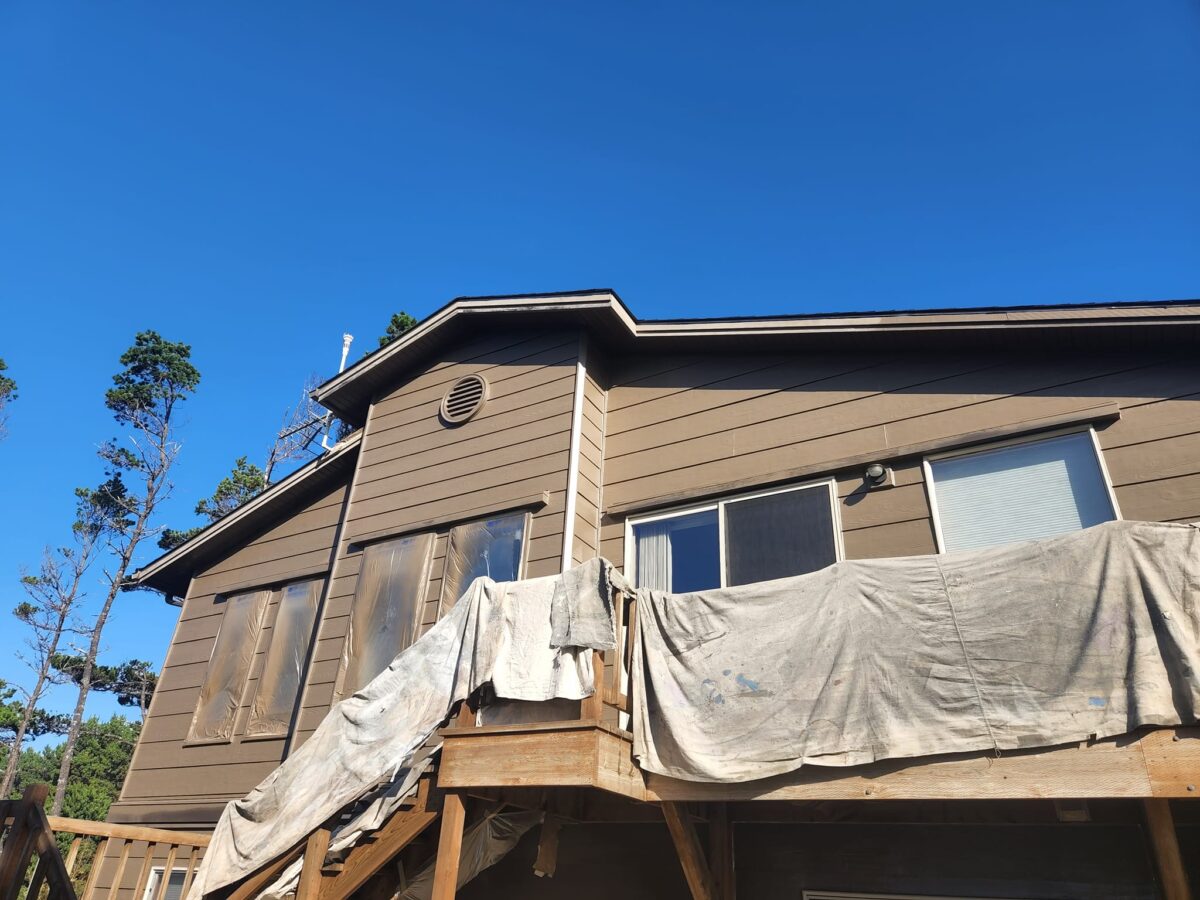
Choosing the right drop cloth is an important consideration for any painting project. More than just a protective layer, your drop cloth can impact safety, cleanup time, and the overall quality of your work. Knowing the pros and cons of each type will help you select the best fit for your needs.

1. Canvas drop cloths

The workhorse of the painting world, canvas is the go-to material for many professionals.

Pros

  • Durable and reusable: A high-quality canvas drop cloth can last for years, making it a sustainable and cost-effective investment in the long run.
  • Absorbent: Canvas soaks up paint drips and spills, preventing them from spreading and being tracked through your home.
  • Slip-resistant: Its heavy, textured cotton material provides a stable, non-slip surface underfoot, reducing the risk of accidents.
  • Drapes well: The weight of the canvas allows it to conform to the shape of furniture and floors, ensuring fewer gaps and better coverage.

Cons

  • Cost: Canvas has a higher initial price tag than disposable options.
  • Not waterproof (unless treated): Untreated canvas is absorbent, but it won’t stop a heavy spill from eventually seeping through to the surface below.
  • Heavy and bulky: Larger canvas cloths can be heavy and difficult to move and store, especially once they are covered in dried paint.

2. Plastic drop cloths

For a quick and easy solution, plastic drop cloths are a popular choice, especially for one-time or light-duty jobs.

Pros

  • Inexpensive: Plastic sheeting is the most budget-friendly option and is widely available.
  • Waterproof: It provides a completely waterproof barrier against spills, protecting surfaces from any leaks.
  • Lightweight: Easy to handle, tape, and drape over furniture.
  • Disposable: Perfect for messy jobs—simply fold it up and throw it away when you’re done.

Cons

  • Slippery: Plastic is known for being slippery, creating a potential safety hazard on floors.
  • Prone to tearing: Thin plastic can easily rip or puncture, leaving your floors and furniture vulnerable.
  • Doesn’t absorb: Since it doesn’t absorb paint, spills can pool and be smeared around, creating a larger mess.
  • Environmental impact: As a single-use product, it contributes to landfill waste.

3. Butyl drop cloths

A favorite among painting professionals, butyl drop cloths offer the best of both worlds.

Pros

  • Absorbent and leak-proof: These cloths feature a top layer of absorbent canvas and a thick, leak-resistant poly or butyl backing. This stops spills from seeping through while preventing them from spreading.
  • Slip-resistant: The coated underside provides excellent traction, making it much safer to use on hard, slippery floors.
  • Durable and reusable: Built for heavy-duty use, butyl cloths can be washed and reused for many projects.
  • Reduces tracking: The absorbent top layer prevents you from tracking wet paint across the floor.

Cons

  • Higher cost: Butyl drop cloths are more expensive than standard canvas or plastic options.
  • Bulkier and heavier: The layered material makes these cloths heavier and bulkier to transport and store.

Paper drop cloths

  • Best for: Protecting against minor paint drops and dust, or for covering baseboards and trim.
  • Good to know: A disposable and eco-friendly option compared to plastic, but it is not leak-proof and tears easily.

Fabric drop cloths

  • Best for: Light-duty painting tasks and DIY projects.
  • Good to know: These are a more economical, disposable alternative to canvas, but less absorbent and durable.

How to choose the right drop cloth for your project

ScenarioBest choiceWhy?
Professional painting jobButyl or heavy-duty canvas.Superior protection, durability, and safety, especially on hard floors.
DIY project with occasional paintingCanvas.A reusable, absorbent, and reliable investment that won’t break the bank.
Quick, one-time touch-upsPlastic sheeting.Affordable and disposable, perfect for a fast, low-mess job.
Covering furnitureLightweight plastic sheeting.It’s easy to drape and tape in place, keeping furniture dust-free and protected from light splatter.
Working on stairsNon-slip canvas.Specialty options with rubber nubs on the underside prevent slipping and hold securely.
Outdoor projectsHeavy-duty canvas or thick plastic.Canvas won’t blow away, while thick plastic is ideal for covering landscaping.

Of course, the preferred option is to know someone who has lots of professional grade drop cloths, the Paint Doctor. We bring the protection and everything else needed for first rate paint job. Call the Doctor 541-497-3804.

Let’s Get That Exterior Paint Job Scheduled

Benefits of scheduling now

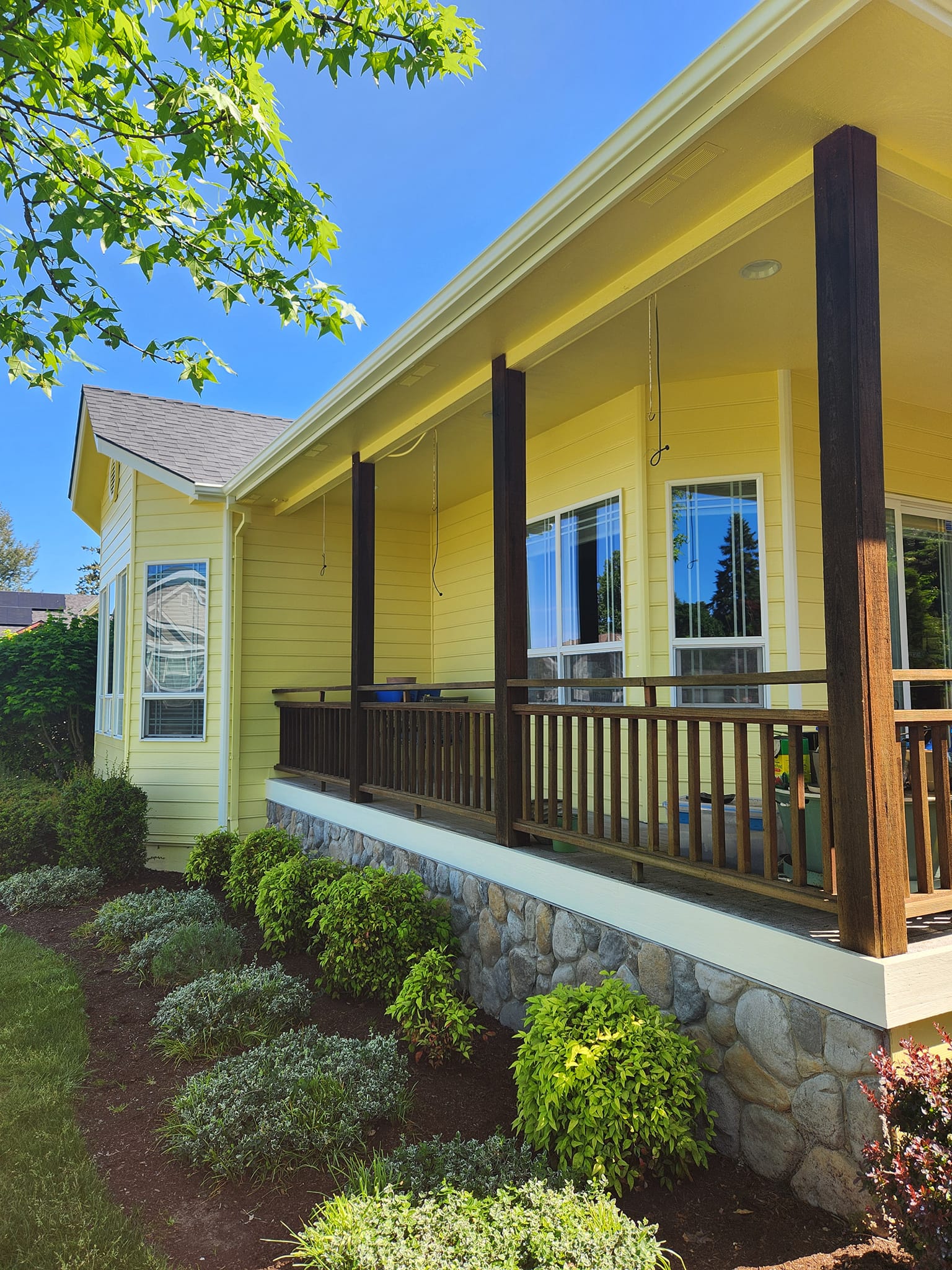
Schedule your exterior painting project before our beautiful Oregon rains begin again.

  • Ensure optimal results: Ideal weather conditions contribute to better paint adhesion and a more durable finish that will withstand the elements for years to come.
  • Enjoy a refreshed look: A fresh coat of paint instantly boosts your home’s curb appeal and creates a welcoming atmosphere.
  • Protect your investment: Quality exterior paint protects your home’s siding from sun, wind, and moisture, extending its lifespan and preventing costly repairs down the road.

Planning for success

If you’re considering an exterior paint job, don’t wait until the last minute. The window of ideal weather in Twin Falls and similar regions can be shorter than you think. Here’s what to do:

  • Call the Paint Doctor for a quote, which will include surface preparation, materials, labor, and a clear timeline for the project. 541-497-3804
  • Book your project soon. It;s peak season and our schedule is filling up quickly.

Don’t let the changing weather deter you from revitalizing your home’s exterior. By planning ahead and scheduling your paint job now, you can enjoy a beautiful, long-lasting finish and protect your valuable investment for years to come.

When Is the Best Time to Paint Your House?

Painting your home is a major investment, and timing plays a crucial role in achieving a flawless finish that lasts. Choosing the right season, temperature, and weather conditions can make all the difference. Here’s what homeowners should consider when planning their painting project.

Factors That Affect Paint Performance

  1. Temperature Matters – Paint dries best between 50°F and 85°F (10°C–30°C). Too cold, and the paint won’t adhere properly; too hot, and it may dry too fast, leading to cracks.
  2. Humidity Levels – High humidity can slow down drying time and cause paint to bubble. A dry climate ensures a smoother application.
  3. Sunlight Exposure – Direct sunlight can cause paint to dry unevenly, leading to streaks. It’s best to paint in the shade or during cooler parts of the day.
  4. Rain Risk – Painting in rainy conditions or right before rainfall can wash away fresh paint. Always check the forecast!

Best Seasons to Paint Your House

  • Spring – Our Willamette Valley springs can be very wet so timing exterior paint takes some experience.
  • Summer (With Caution) – If temperatures stay within the optimal range, summer can be great. Just avoid extreme heat and direct midday sun.
  • Early Fall – With moderate temperatures and less humidity, can be ideal for exterior painting.
  • Winter (Not Ideal) – Cold temperatures prevent proper drying, so exterior painting is best avoided unless using specialized cold-weather paints.

Final Tips for a Successful Paint Job

  • Choose a wind-free day to prevent debris from sticking to wet paint.
  • Start early in the morning or late afternoon to avoid peak heat.
  • Ensure at least 24 hours of dry weather after painting for the best results.

By selecting the right time to paint, homeowners can achieve a durable, long-lasting finish.

Of course, when you hire the Paint Doctor’s Painting Service, we take care of all of these details. 541-497-3804

Shiitake, May 2025 Color of the Month

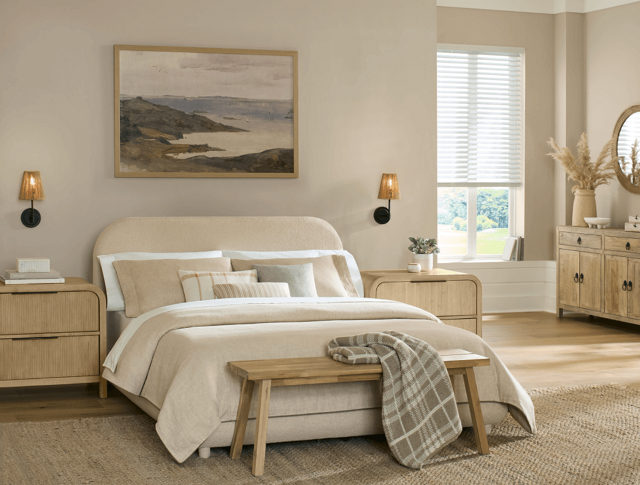
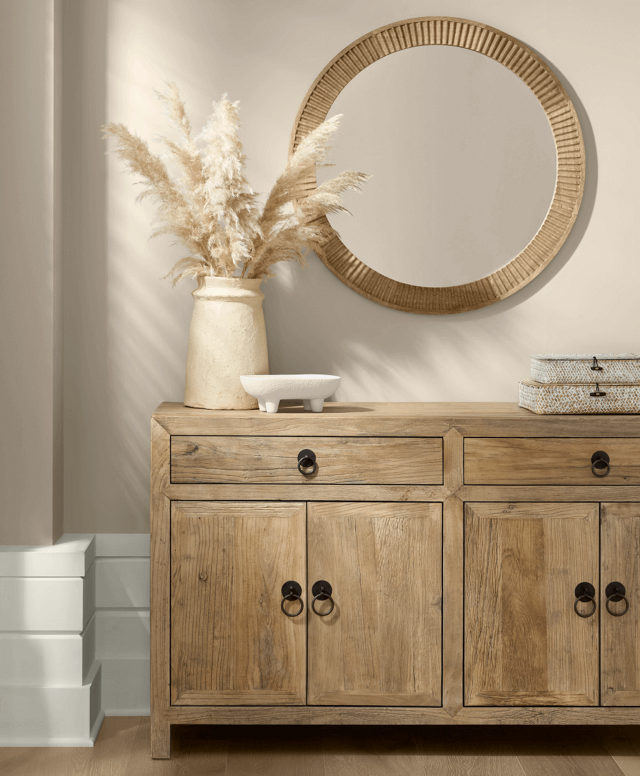
Add a touch of cozy elegance with Shiitake, Sherwin-Williams’ May 2025 Color of the Month.

An adaptable stone gray, Shiitake strikes a balance between composed and casual.

March 2025 Color of the Month Frank Blue

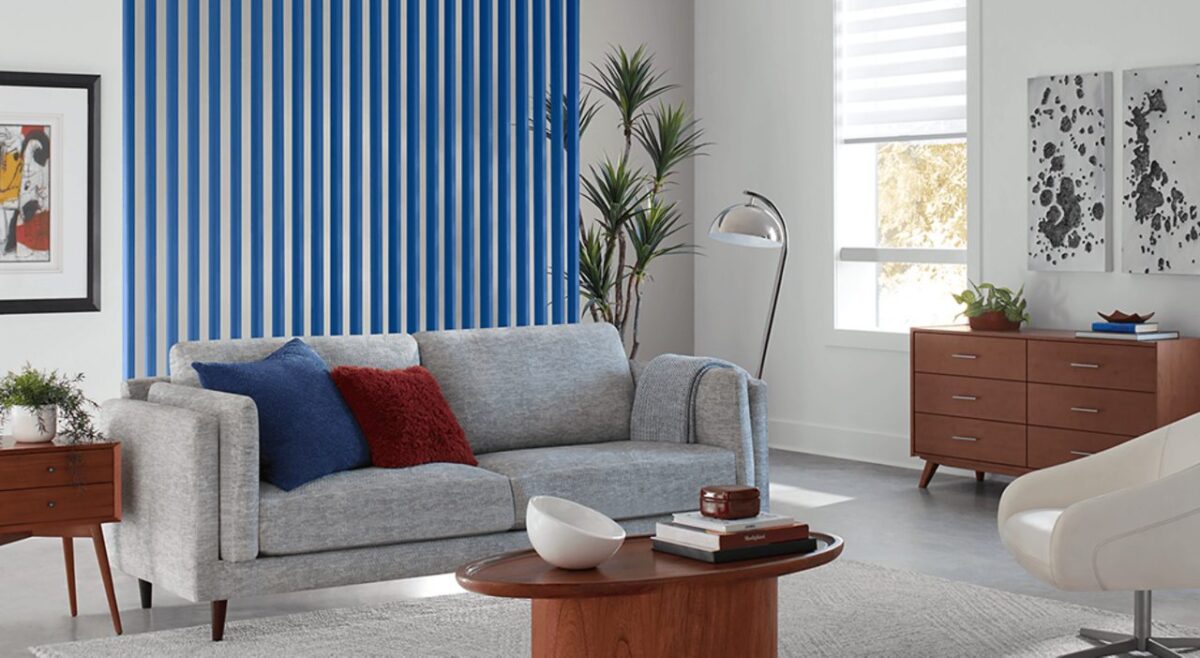
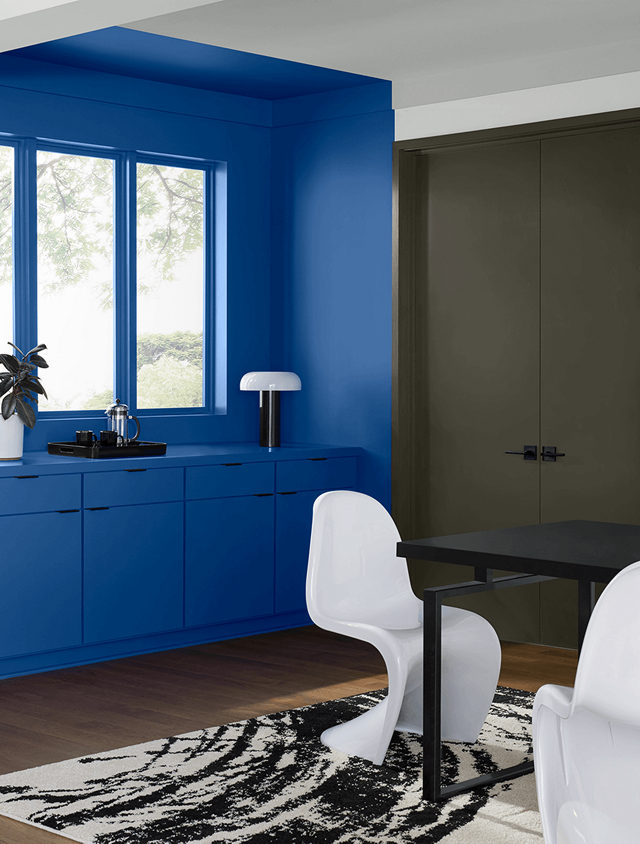
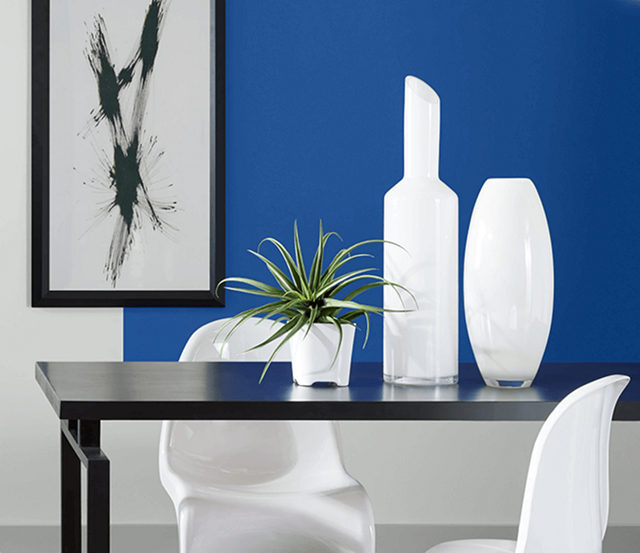
Let your creativity take center stage with Frank Blue, a dynamic cobalt that celebrates your desire to be different. Whether you’re looking to intensify cabinetry or play up decorative structures, this striking shade turns any home feature into a focal point. Perfect for open concepts, Frank Blue fills negative space with mood-boosting vibrancy. Make a statement with this eclectic hue.

Frank Blue is a bold for those who want to change the mood of the room.

Violet undertones add a touch of bold personality to this electric cobalt.

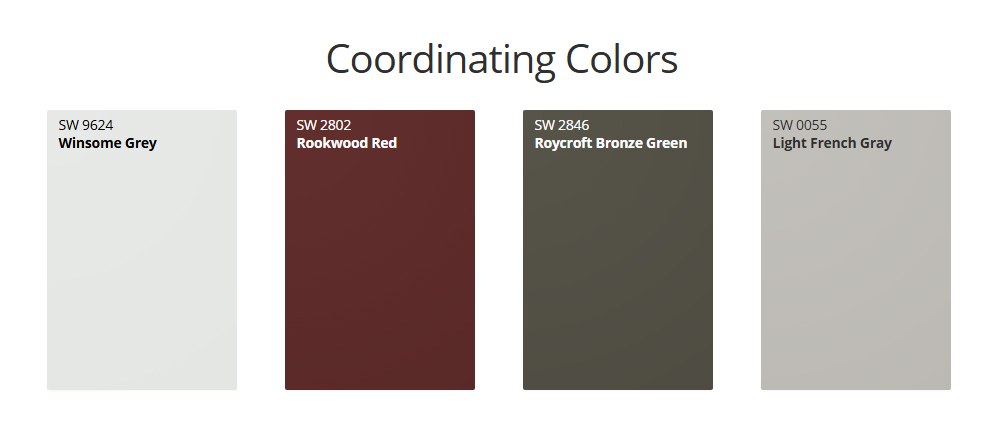
These colors coordinate well with Frank Blue.

If your are needing a little spring in your spring, spring into action and give us a call about adding some bold color to your environment. We can also help with more subtle tones! Mike 541-497-3804

Cool Colors

The color experts at Sherwin-Williams describe cool colors: “What comes to mind when we think of cool colors? Whether it’s a serene lake or a clear sky, cooler hues are often associated with feelings of calmness, relaxation, and tranquility. They’re a softer option that can make a space feel larger thanks to the way they make color look like it’s receding.”

Green
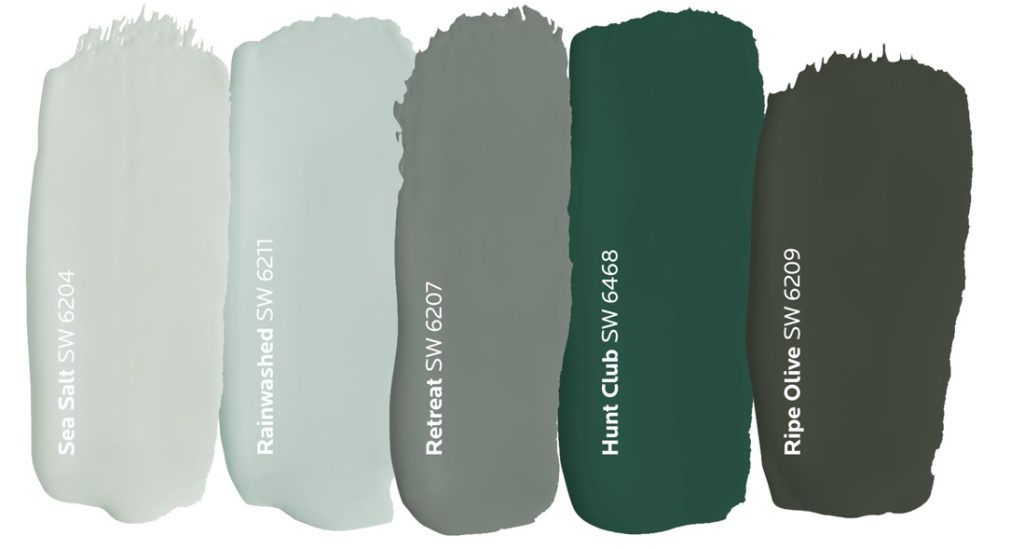
Mixed with the calming nature of blue and vibrancy of yellow, green is a color embodying balance and harmony. This down-to-earth hue is just as diverse as the nature it’s inspired by. Soft sea-greens can bring a restorative energy into a space, while deep olive tones can add depth and stability that feels anchored to the ground. Consider using deep greens to emphasize features you want to stand out like kitchen cabinets.
Blue
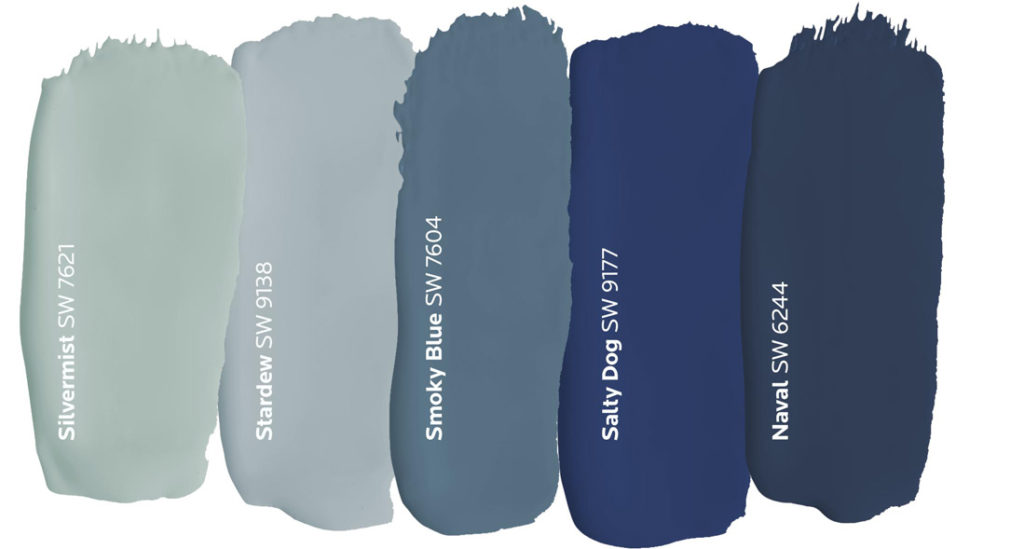
It’s the color of trust and tranquility. Blue is just as refreshing and friendly as it is reserved and sophisticated. It’s representation of sea and sky closely ties to open spaces where inspiration and imagination flourish. Soothing shades of dusty blue create a sense of serenity, while midnight shades of navy can add depth and drama. Blue’s universal energy makes it a hue that works anywhere.
Purple
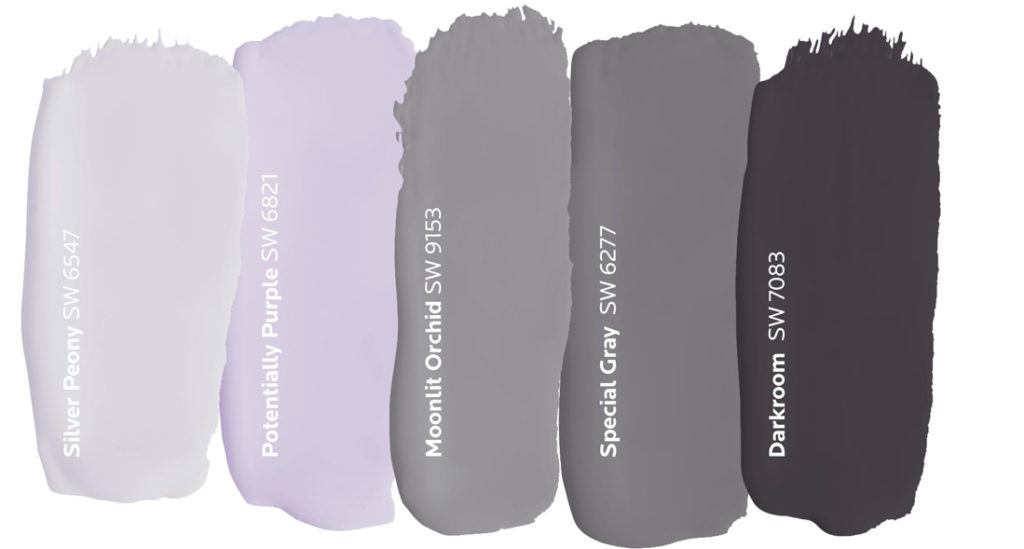
Like green, purple embodies the characteristics of the colors it’s made of. The energy of red and tranquility of blue result in a hue that’s rooted in imagination and poise. With the ability to be both calming and uplifting, purple is an ideal choice for spaces where you seek creative energy and focus. Try this distinguished color in a home office or as an accent wall in a meditation space.

Warm, cool or neutral, we have you covered. Do it right the first time with the Paint Doctor! 541-497-3804

Getting Warmer

Choosing paint colors can be fun for some and challenging for others. Sherwin-Williams can help with some color concepts staring with the warmth of the colors:

“It’s all in the name. Warm shades of red, orange and yellow are associated with the literal warmth that the sun and fire radiate. These vivid shades are closely tied to energy, joy and positivity, to create a space where the emotion feels uplifting and welcoming.”

Red
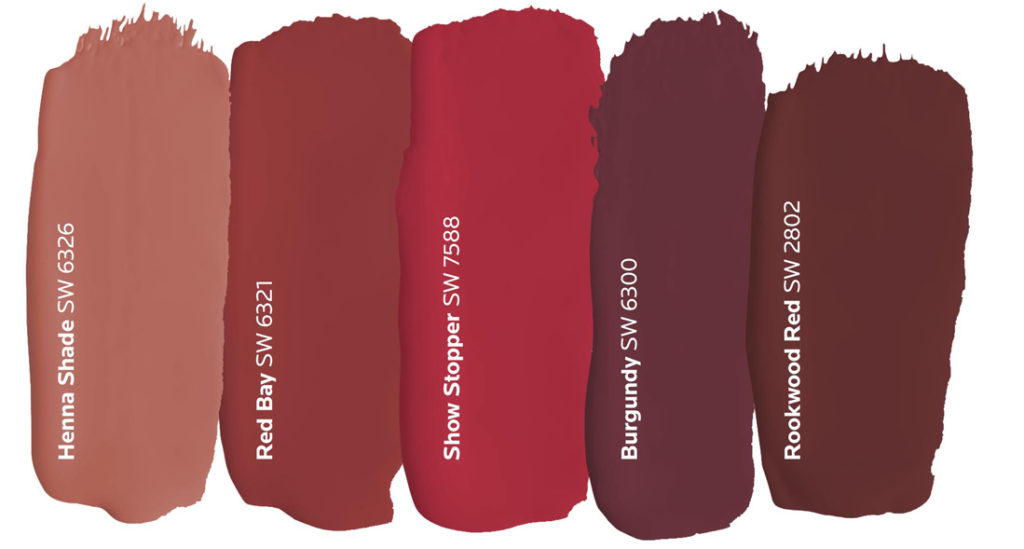
Red is symbolic of strength, power and passion, but it’s boldness can often overshadow its versatility. The key to using this hue is focusing on the statement you want to make with it. While the brighter shades of red generate more energy, darker ones tend to show a softer side that’s subtle and conservative. Consider a rich burgundy or brick red when designing for a space where the atmosphere is warm and welcoming, like a dining room.
Orange
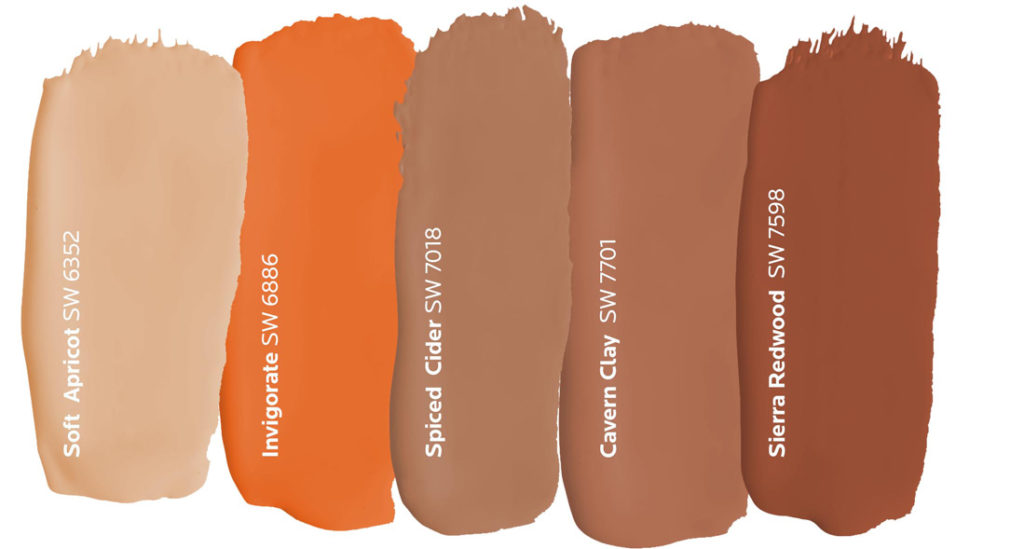
The overall friendliness of orange makes it an ideal choice for rooms where people gather, but it’s also well suited for front doors that welcome guests into your home. From the bright citrusy hues to the muted earth tones, this happy hue’s versatility allows it to work well with a number of different design styles.
Yellow
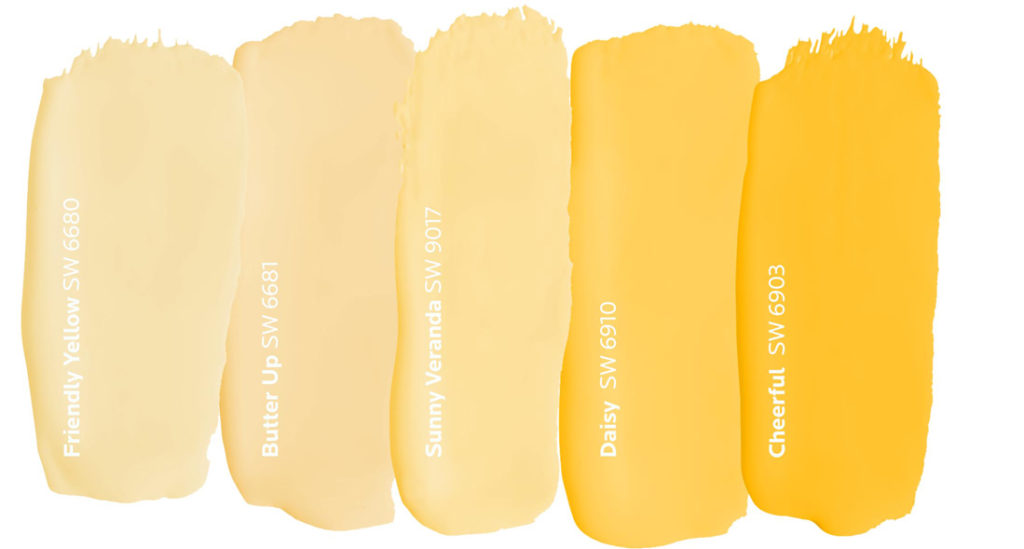
A cheery nature follows yellow wherever it goes. This golden hue triggers thoughts of happiness and sunshine especially when it’s used in a room with lots of natural light. Since it’s often considered to be the brightest warm color, a soft, sunny yellow is the perfect choice for guest bedrooms because it makes everyone feel right at home.

December 2024 Color of the Month

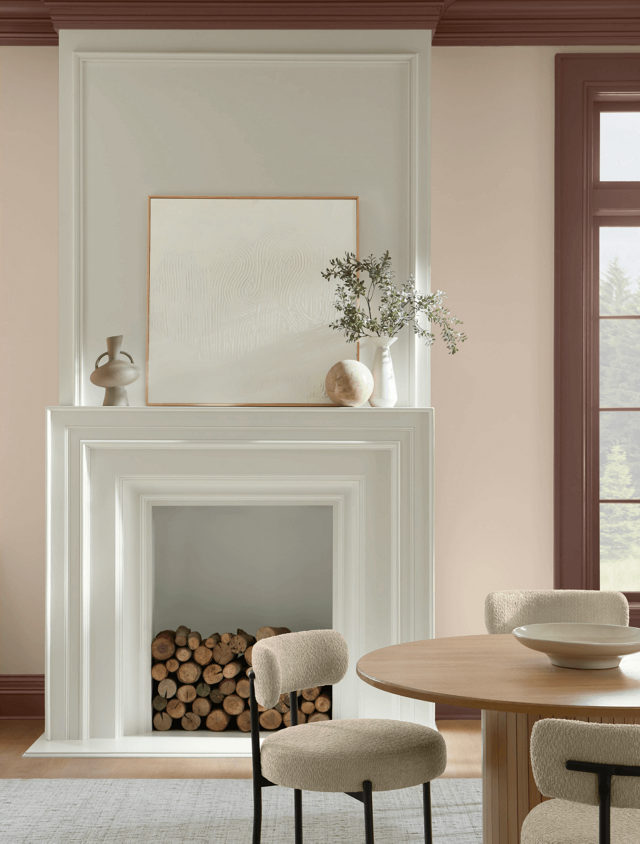
According to Sue Wadden, Director of Color Marketing at Sherwin-Williams, “Like a blanket of understated elegance, Sand Dollar inspires us to sit back, relax and indulge in cozy quietude.”

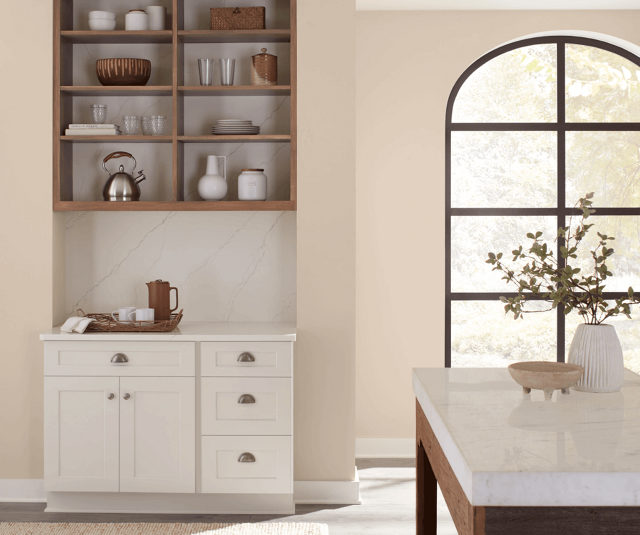
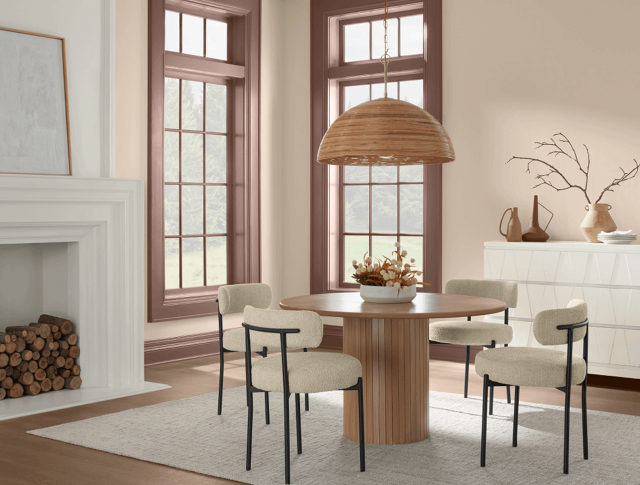
Beige wall paint with white fireplace wood box and over mantel.
Find calm in the chaos with soothing Sand Dollar.
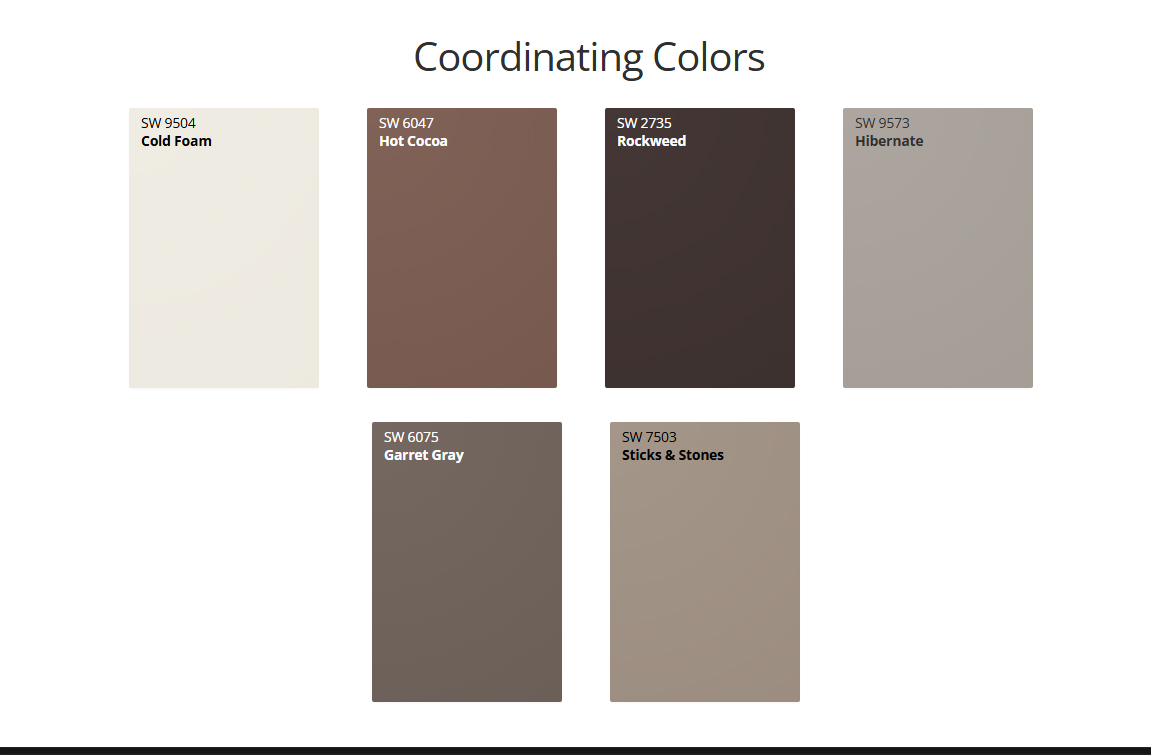
Pair the inviting neutral with deep earthen browns and soft creamy whites.
The comforting hue goes seamlessly with various wood tones and accent colors, bringing out natural grains and a sense of continuity.

Ready to transform your interior with Sand Dollar? Call Mike 541-497-3804

Curb Appeal

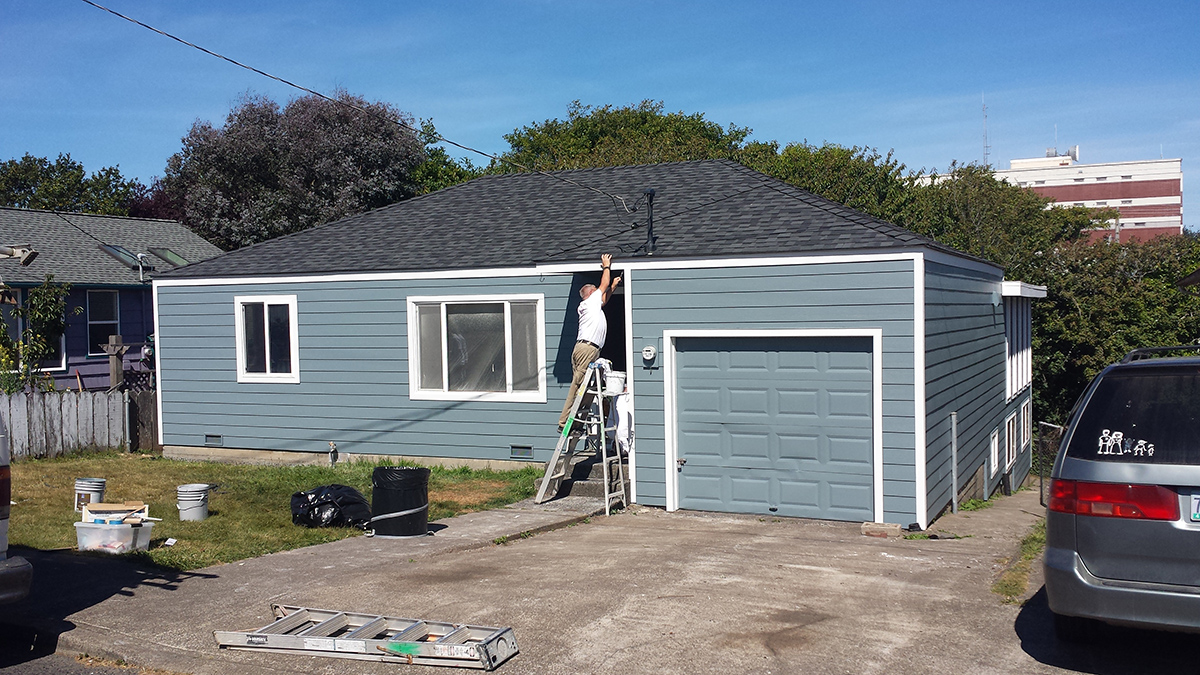
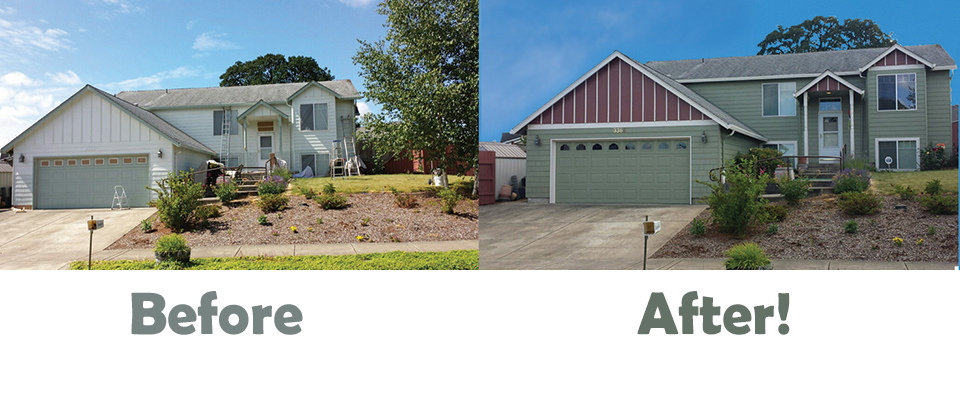
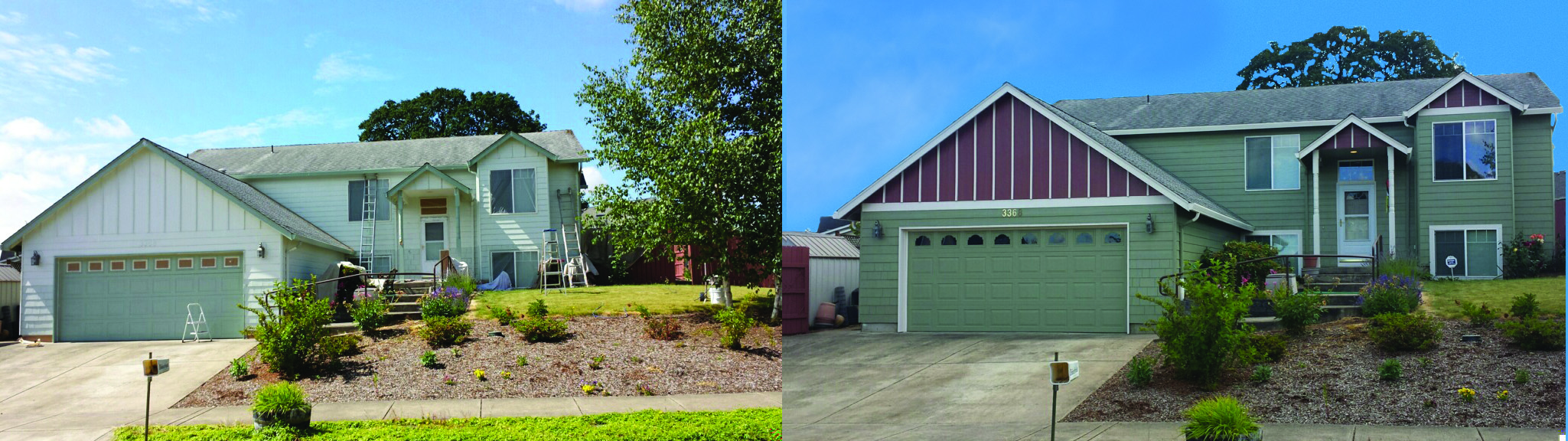
Few things can improve the curb appeal of a house like new exterior paint. Dated colors, dingy trim, UV damage, mold and dirt can all be addressed in the prep and paint process of an exterior re-paint job.

But there are other benefits as well. These include improved weather protection, lower energy costs and added protection against insect invasion.

Weather protection comes in the form of a caulking that prevent water intrusion and a quality paint top coat that protects against moisture and damage caused by ultra violet light. Many homeowners underestimate the importance of paint to the longevity of the home’s exterior.

Caulking also helps seal a house against heat loss by preventing air movement through the joints and transitions at the trim boards, siding seams and corners. This can be very helpful to your energy costs for both heating and cooling.

An exterior paint job also gives you the opportunity to change your color schemes. This can both update and improve the looks of your home. Multi-color paint schemes can really accentuate the right features of your house.

Call the Paint Doctor, Mike Nading for an estimate on your new look: 541-497-3804.Albany Oregon Painting Contractor