Here in the Willamette Valley mildew can form on the north side of houses due to the lack of direct sunlight, which keeps the surface cooler and moister. Less sunlight means slower evaporation, which helps the surface stay damp longer promoting mildew growth. Mildew mitigation is an important step when preparing to paint the exterior of your home. One solution? Wash with a solution of TSP.
TSP Safety
Protective gear: It’s a good idea to wear eye protection, chemical-resistant gloves, and long sleeves and pants.
Ventilation: Ensure the area is well-ventilated, especially when working indoors.
Protect surfaces: TSP can damage some surfaces, including metal fixtures and glass. Use plastic sheeting to protect areas you do not want to clean.
Mixing: Add TSP powder to warm water, not the other way around, to prevent splashing. Typical dilutions range from 1/4 to 1/2 cup of TSP per gallon of warm water, depending on the job.
Rinse thoroughly: After cleaning, rinse the surface multiple times with clean water to remove all TSP residue. If not completely rinsed, it can leave a white film.
Protect landscaping: If using TSP outdoors, take care to protect plants from runoff by hosing them down with fresh water both before and after applying the solution.
You hire a professional painting company for one main reason: to transform your space with a beautiful, lasting finish. But what if we told you that the secret to that perfect paint job often lies in what happens before the first drop of paint ever touches your walls?
At The Paint Doctor’s Painting Service, we believe a superior paint job starts with superior preparation. That’s why, unlike many others, our comprehensive painting service includes expert minor repairs as a standard part of our prep work.
Why Minor Repairs Aren’t So “Minor” for Your Paint Job
Imagine painting over a small crack, a nail pop, or a dent. What happens?
They don’t magically disappear. In fact, paint often highlights these imperfections, making them even more noticeable. A truly smooth, uniform finish can only be achieved on a smooth, uniform surface.
This is where our attention to detail truly shines. Our skilled painters don’t just “paint over” problems; they meticulously address them, ensuring your walls are in optimal condition before any paint is applied.
What Kind of Minor Repairs Do We Handle?
During our thorough preparation phase, our team will identify and expertly repair common imperfections such as:
Nail Pops: Those small bumps caused by nails working their way out of drywall.
Small Holes & Dings: From picture hangers to everyday wear and tear.
Hairline Cracks: Minor structural cracks that can detract from a smooth wall.
Drywall & Plaster Patches: Filling in and smoothing out damaged areas.
Stress Cracks: Often found around doorframes or windows.
Caulking: Sealing gaps around trim, windows, and doors for a clean line and improved insulation.
The Benefits for YOU:
A Truly Flawless Finish: The most obvious benefit! Your new paint job will look incredibly smooth, professional, and vibrant.
Enhanced Durability: Addressing imperfections prevents them from worsening, helping your paint job last longer.
Save Time & Money: No need to hire a separate handyman or spend your own precious time tackling repairs. We handle it all in one seamless process.
Streamlined Project Management: One point of contact, one schedule, one team focused on delivering excellence from start to finish.
Peace of Mind: You can trust that every aspect of your painting project, from prep to prime to final coat, is being handled by experienced professionals.
Our Process: Preparation for Perfection
Thorough Inspection: We start with a detailed assessment of your walls and ceilings, identifying all areas needing attention.
Expert Repair: Using industry-best techniques and materials, we mend and smooth noticeable problem areas.
Sanding & Cleaning: Repaired areas are sanded and cleaned as needed to ensure optimal paint adhesion.
Priming (if necessary): We may prime repaired areas to ensure a uniform absorption of the topcoat.
Flawless Painting: With the perfect canvas prepared, our painters apply your chosen colors with precision and care, delivering the beautiful results you expect.
We’re not just painters; we’re surface specialists. Our commitment to including minor repairs in our standard service is a testament to our dedication to quality and our desire to provide you with the best possible results.
What about bigger repairs? We work closely with remodel specialists and give you contact information or get a bid for you on larger repairs if requested.
Ready for a truly flawless finish? Contact us today for a free estimate and discover the Paint Doctor difference! 541-497-3804
Peeling, Cracking, or Bubbling Paint: These indicate the paint is failing to adhere to the surface and is no longer providing protection.
Fading Color: A significant change in color shows that the paint has been damaged by UV rays and weather.
Stains and Discoloration: Stubborn water stains, mold, or mildew that can’t be washed off suggest the paint has lost its protective qualities.
Chalking: When the paint disintegrates, it leaves a fine, chalky powder on your hands when you touch the surface.
Deteriorating Caulking: Cracks in the caulking around windows and trim can allow moisture to seep in, causing damage.
Visible Gaps: Gaps or shrinking wood can indicate movement in the structure, and damaged paint can’t adequately protect these areas.
If any of these symptoms describe the exterior finish of your house, you’re going to need a new paint job to protect your investment. Call Mike 541-497-3804
Color is more than just a design choice—it’s a reflection of personality, mood, and lifestyle. Let’s explore what different colors might be saying as you enter a room.
🔵 Blue: Calm, Trustworthy, and Thoughtful
Blue is a favorite for bedrooms and bathrooms because it evokes serenity and stability. Soft blues or navy tones bring a sense of peace, order, and introspection. It’s also a color that builds trust—no wonder it’s popular in professional settings too.
🔴 Red: Bold, Passionate, and Energetic
Red walls make a statement. Whether it’s a deep burgundy in the dining room or a cherry accent wall, red signals confidence and vitality. It’s often chosen by those who love entertaining and aren’t afraid to stand out.
🟢 Green: Balanced, Natural, and Restorative
Green connects us to nature and renewal. Homeowners who choose green often seek harmony and wellness in their environment. It’s a great choice for living rooms or home offices where focus and calm are key.
Choosing interior paint colors can be fun when you think about transforming the mood of a room in your house. Give us a call when you are ready to update your mood! 541-497-3804
Choosing the right paint color for each room in your home involves creating the perfect mood, enhancing functionality, and expressing your personal style. Whether you’re planning a full home makeover or just refreshing a single space, this guide will help you pick the best shades for your kitchen, bedroom, and bathroom.
🧑🍳 Kitchen Colors: Fresh, Inviting, and Functional
The kitchen is where meals are made and memories are shared. It deserves colors that feel clean, energizing, and welcoming.
Top Picks:
Soft Whites & Creams: Classic and versatile, they brighten the space and pair well with any cabinetry.
Warm Grays & Greige: A modern neutral that complements stainless steel and wood finishes.
Sage Green: Earthy and calming, ideal for farmhouse or cottage-style kitchens.
Dusty Blue: Cool and refreshing, especially with white or light wood accents.
Terracotta or Clay: Adds rustic warmth and depth, perfect for Mediterranean-inspired designs.
🛏️ Bedroom Colors: Calm, Cozy, and Restful
Your bedroom should be a sanctuary—a place to unwind and recharge. The right colors can help promote relaxation and better sleep.
Top Picks:
Muted Blues: Like powder or slate blue, known for their calming effect.
Lavender or Mauve: Soft and romantic, great for creating a tranquil atmosphere.
Warm Neutrals: Taupe, sand, or mushroom tones offer a cozy, grounded feel.
Deep Greens: Forest or olive green creates a cocoon-like vibe.
Blush Pink: Gentle and comforting, especially in smaller or sunlit rooms.
Finish Tip: Opt for matte or eggshell finishes to reduce glare and enhance softness.
🚿 Bathrooms: Refresh & Rejuvenate
Bathrooms benefit from clean, bright colors that evoke freshness and spa-like calm.
Top Color Picks:
Cool Grays & Charcoal: Sleek and modern, especially with chrome fixtures.
Seafoam or Aqua: Light and airy, perfect for coastal or spa-inspired designs.
Crisp White: Classic and clean—ideal for small spaces or minimalist styles.
Pale Peach or Coral: Adds warmth and personality without overwhelming.
Soft Mint Green: Refreshing and unique, pairs well with white tile.
Pro Tip:
Use satin or semi-gloss finishes to resist moisture and make cleaning easier.
🖌️ Final Thoughts
Paint is one of the easiest and most impactful ways to transform your home. By choosing colors that suit each room’s purpose and personality, you’ll create a space that feels cohesive, comfortable, and uniquely yours.
Need help picking the perfect shade or finish? We are here to guide you every step of the way. Need help with the entire project? Call Mike 541-497-3804.
This year, Sherwin-Williams is leaning into warmth, depth, and nature-inspired hues that bring comfort and character to every space. Whether you’re building a house, planning a full remodel or just a weekend refresh, these trending colors offer endless possibilities.
🌿 Interior Color Trends
1. Urbane Bronze SW 7048
A rich, earthy brown-gray that adds depth and sophistication.
Perfect for accent walls, cabinetry, or cozy reading nooks.
2. Evergreen Fog SW 9130
A calming green-meets-gray tone that’s ideal for bedrooms and living rooms.
Pairs beautifully with natural wood and soft textiles.
3. Redend Point SW 9081(2023 Color of the Year, still trending)
A warm blush-beige that brings subtle warmth to any space.
Use it in entryways or bathrooms for a welcoming vibe.
4. Naval SW 6244
A classic navy that’s bold yet timeless.
Great for kitchen islands, built-ins, or dramatic accent walls.
5. Pure White SW 7005
A versatile, clean white with just enough warmth.
Ideal for trim, ceilings, and pairing with bold colors.
🏡 Exterior Color Trends
1. Iron Ore SW 7069
A deep charcoal that’s sleek and modern.
Use it for siding, shutters, or front doors to make a statement.
2. Alabaster SW 7008
A soft, creamy white that’s perfect for exteriors.
Works well with stone, brick, and wood accents.
3. Dried Thyme SW 6186
A muted green that blends beautifully with natural landscapes.
Accent walls are back—and bolder than ever. In 2025, homeowners are embracing statement-making walls that add personality, depth, and drama to their spaces. Whether you’re working with a cozy nook or a sprawling living room, a well-chosen accent wall can elevate the entire vibe of a home.
🎨 Why Accent Walls Work
Accent walls create visual interest by breaking up monotony and drawing the eye to a focal point. They’re perfect for:
Highlighting architectural features like fireplaces or built-ins
Defining open-concept spaces
Adding depth to small rooms
Expressing personal style without overwhelming a space
🌈 Trending Sherwin-Williams Colors for Accent Walls
1. Naval SW 6244 A timeless navy that adds richness and sophistication. Ideal for dining rooms, bedrooms, or behind a gallery wall.
2. Urbane Bronze SW 7048 Earthy and dramatic, this deep brown-gray creates a cozy, grounded feel. Perfect for home offices or living rooms.
3. Redend Point SW 9081 Warm and inviting, this blush-beige adds subtle charm. Great for bedrooms or entryways.
4. Evergreen Fog SW 9130 A calming green-gray that pairs beautifully with natural textures. Use it in bathrooms or reading corners.
5. Iron Ore SW 7069 Bold and modern, this charcoal hue makes a powerful statement. Try it behind a bed or on a fireplace wall
🖌️ Pro Tips for Creating Accent Walls That Wow
Choose the right wall: Pick a wall that naturally draws attention—behind a bed, sofa, or fireplace.
Balance with neutrals: Let your accent wall shine by keeping surrounding walls and decor more subdued.
Play with texture: Consider matte finishes, shiplap, or wallpaper for added dimension.
Use lighting to your advantage: Accent walls pop under good lighting—think sconces, pendant lights, or natural light
Like the idea but not the work associated with it? All Mike 541-497-3804
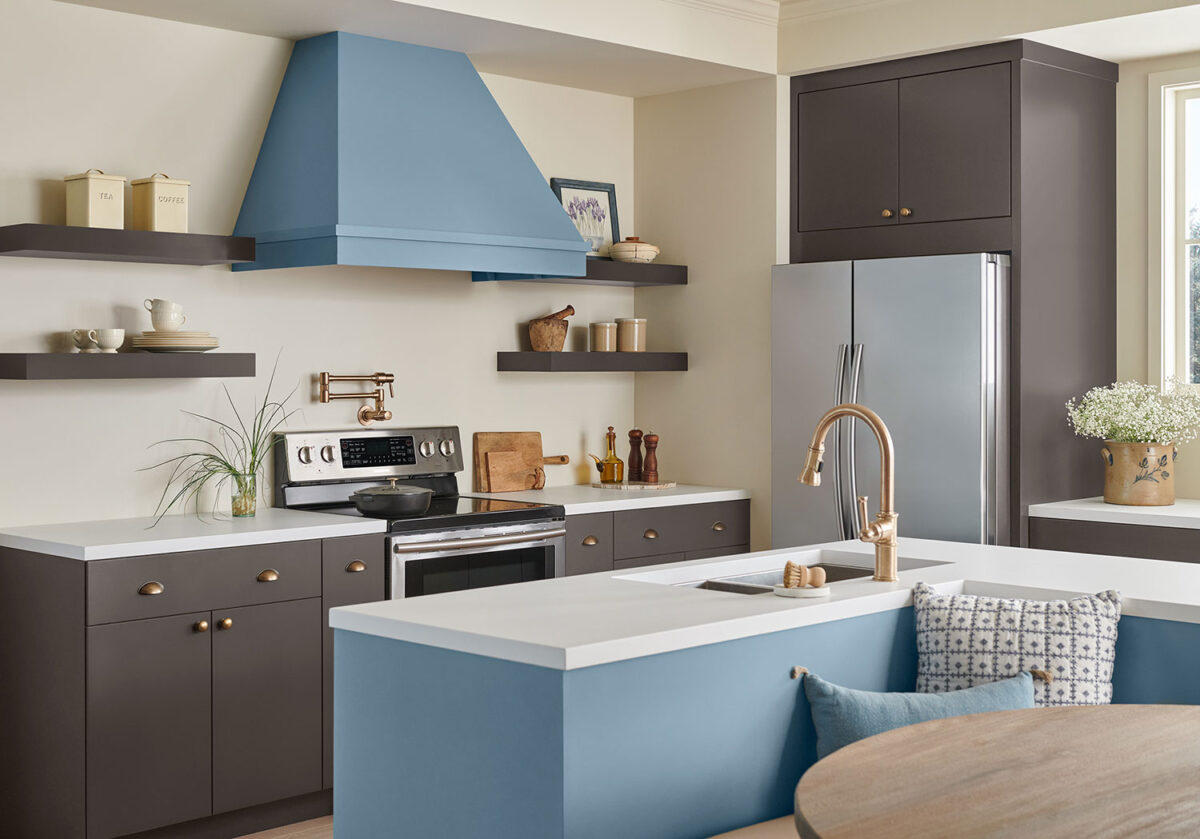
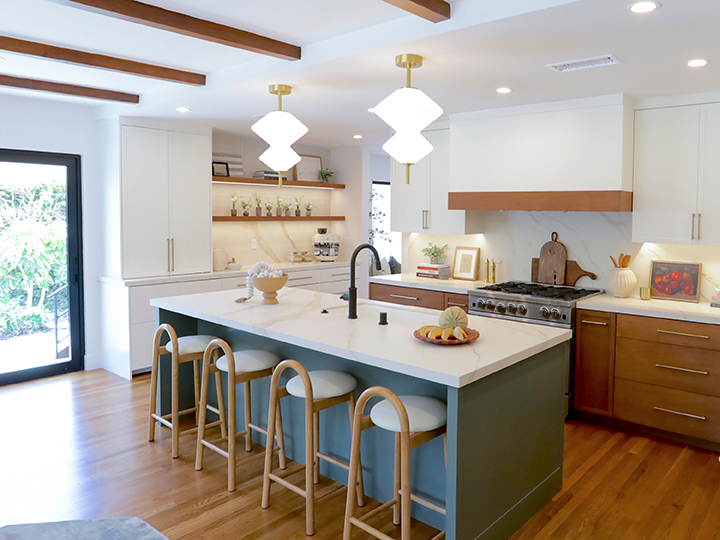
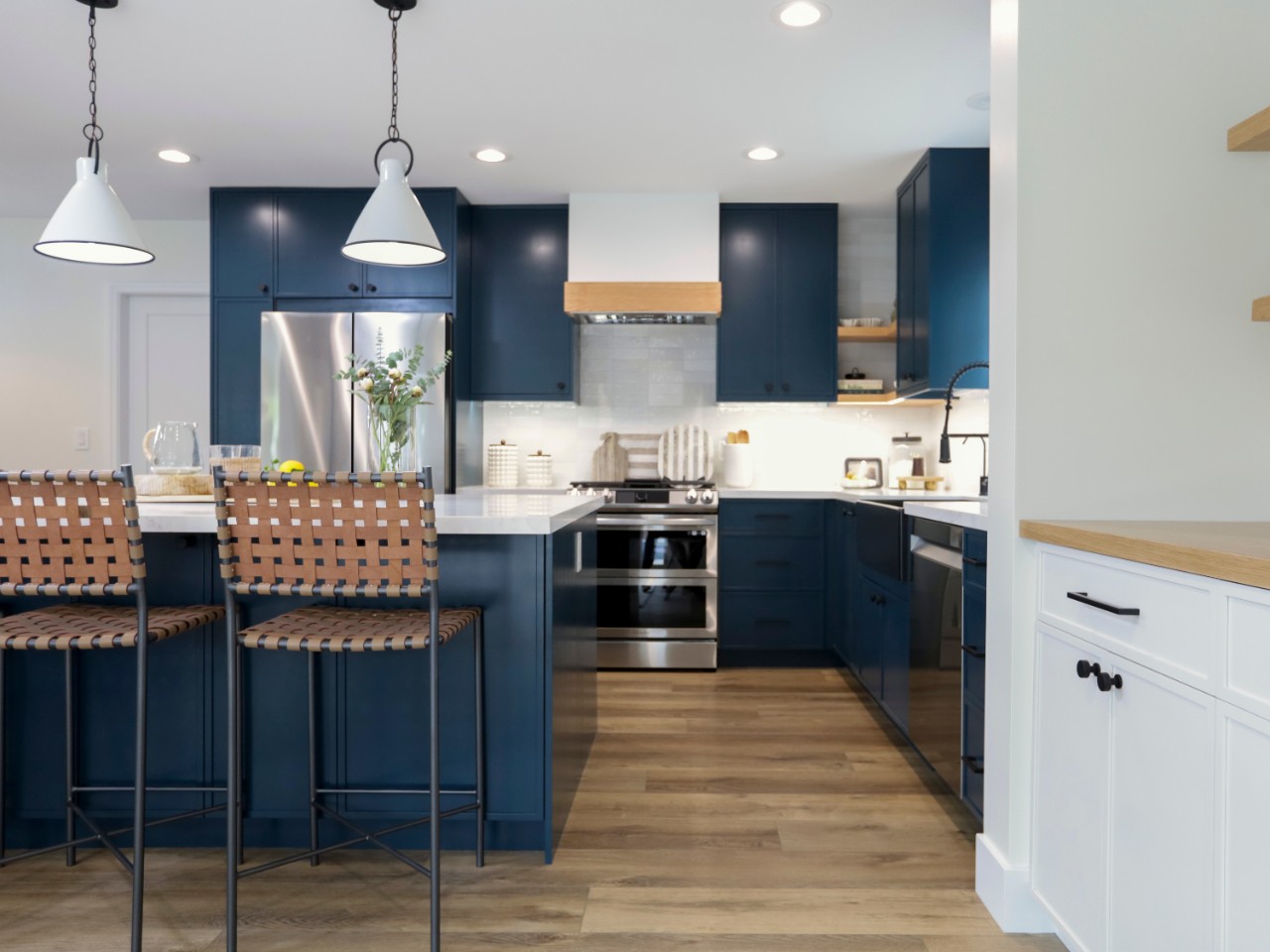
Within a palette of hushed tones, the HGTV 2025 Color of the Year, Quietude, finds its power in its transcendent tranquility. A soft sage with a whisper of blue influence, Quietude is an emerging color for enduring design and soothes any space inside or out.
Check out how designers used this color in a variety of settings.
Let us know if Quietude is your color! Mike 541-497-3804.
Mineral spirits are a type of paint thinner; specifically, they are a more refined, less toxic, and less odorous petroleum distillate used for thinning oil-based paints and cleaning tools. Paint thinner, in general, is a broader category of solvents that may include mineral spirits but can also contain other, more potent, and less refined solvents like naphtha or turpentine, resulting in stronger fumes, faster evaporation, and greater solvency.
Mineral Spirits
Purity: Higher quality and more refined.
Odor: Milder odor, and odorless versions are available.
Toxicity: Less toxic than other paint thinners.
Evaporation Rate: Slower evaporation, which can lead to a smoother finish.
Cost: Generally more expensive due to the refinement process.
Paint Thinner
Purity: A broader category, often less refined, containing a mix of solvents including aliphatic and aromatic hydrocarbons.
Odor: Strong, pungent smell due to aromatic compounds and other additives.
Toxicity: Can be more toxic and produce more harmful fumes.
Evaporation Rate: Faster evaporation rate, which can make it less ideal for achieving a smooth, even finish.
Cost: Less expensive, making it a common choice for cost-conscious projects.
Think of it this way: all mineral spirits are paint thinners, but not all paint thinners are mineral spirits. When choosing, consider whether you need a higher-quality, smoother finish (mineral spirits) or a more powerful and inexpensive solvent for general cleanup and thinning (paint thinner).
If your project calls for these or other chemicals, it’s best to give us a call and take care of the project. The Doctor makes house calls, 541-497-3804
Brush marks are a desirable feature in home painting when you are intentionally creating a decorative, textured, or rustic finish, rather than a perfectly smooth, modern look. This technique is often used for furniture, accent walls, and other decorative objects where a handmade, tactile quality adds character.
For decorative painting techniques
When a project is intended to look artistically or decoratively painted, visible brushstrokes are a key part of the aesthetic.
Faux finishes: Techniques like color washing or rag rolling can be used to add texture and depth to walls. Visible, artistic brushstrokes are essential for creating the varied, dynamic patterns of these faux effects.
Creating a hand-painted look: For items like furniture, cabinets, or even doors, a subtle, organized brushstroke can convey that the item was painted by hand rather than in a factory. This adds a custom, artisanal feel, especially when using paints like chalk paint.
For a rustic or traditional aesthetic
A perfectly smooth, glossy finish often feels very modern. In contrast, visible brushstrokes lend a timeless, rustic, or vintage quality to a piece.
Country and cottage decor: A more casual and textured finish suits rustic and farmhouse-style homes better than a flawless finish.
Weathered effects: Combining visible brushstrokes with techniques like distressing and sanding can create a charming, weathered finish for furniture.
To add texture and depth
Visible brushstrokes can be used to add visual interest to a surface and make a flat color appear more dynamic.
For architectural features: When painting woodwork, such as trim or paneling, using a consistent brushing technique that leaves subtle, parallel lines can define the details of the feature.
To create visual interest: The way light catches the texture of the paint can add movement and energy to the surface. This is an effective strategy for making a statement wall or a piece of furniture more eye-catching.
To make matching easier for future touchup. If you know an area will likely need touchup in the future, it can be easier to match the existing texture if the original was applied by brush.