One and Done: The Seamless Way We Combine Minor Repairs and Painting

You hire a professional painting company for one main reason: to transform your space with a beautiful, lasting finish. But what if we told you that the secret to that perfect paint job often lies in what happens before the first drop of paint ever touches your walls?

At The Paint Doctor’s Painting Service, we believe a superior paint job starts with superior preparation. That’s why, unlike many others, our comprehensive painting service includes expert minor repairs as a standard part of our prep work.

Why Minor Repairs Aren’t So “Minor” for Your Paint Job

Imagine painting over a small crack, a nail pop, or a dent. What happens?

They don’t magically disappear. In fact, paint often highlights these imperfections, making them even more noticeable. A truly smooth, uniform finish can only be achieved on a smooth, uniform surface.

This is where our attention to detail truly shines. Our skilled painters don’t just “paint over” problems; they meticulously address them, ensuring your walls are in optimal condition before any paint is applied.

What Kind of Minor Repairs Do We Handle?

During our thorough preparation phase, our team will identify and expertly repair common imperfections such as:

  • Nail Pops: Those small bumps caused by nails working their way out of drywall.
  • Small Holes & Dings: From picture hangers to everyday wear and tear.
  • Hairline Cracks: Minor structural cracks that can detract from a smooth wall.
  • Drywall & Plaster Patches: Filling in and smoothing out damaged areas.
  • Stress Cracks: Often found around doorframes or windows.
  • Caulking: Sealing gaps around trim, windows, and doors for a clean line and improved insulation.

The Benefits for YOU:

  • A Truly Flawless Finish: The most obvious benefit! Your new paint job will look incredibly smooth, professional, and vibrant.
  • Enhanced Durability: Addressing imperfections prevents them from worsening, helping your paint job last longer.
  • Save Time & Money: No need to hire a separate handyman or spend your own precious time tackling repairs. We handle it all in one seamless process.
  • Streamlined Project Management: One point of contact, one schedule, one team focused on delivering excellence from start to finish.
  • Peace of Mind: You can trust that every aspect of your painting project, from prep to prime to final coat, is being handled by experienced professionals.

Our Process: Preparation for Perfection

  1. Thorough Inspection: We start with a detailed assessment of your walls and ceilings, identifying all areas needing attention.
  2. Expert Repair: Using industry-best techniques and materials, we mend and smooth noticeable problem areas.
  3. Sanding & Cleaning: Repaired areas are sanded and cleaned as needed to ensure optimal paint adhesion.
  4. Priming (if necessary): We may prime repaired areas to ensure a uniform absorption of the topcoat.
  5. Flawless Painting: With the perfect canvas prepared, our painters apply your chosen colors with precision and care, delivering the beautiful results you expect.

We’re not just painters; we’re surface specialists. Our commitment to including minor repairs in our standard service is a testament to our dedication to quality and our desire to provide you with the best possible results.

What about bigger repairs? We work closely with remodel specialists and give you contact information or get a bid for you on larger repairs if requested.

Ready for a truly flawless finish? Contact us today for a free estimate and discover the Paint Doctor difference! 541-497-3804

Signs Your Home Needs a Fresh Coat of Paint

Visual Signs of Paint Failure

  • Peeling, Cracking, or Bubbling Paint: These indicate the paint is failing to adhere to the surface and is no longer providing protection. 
  • Fading Color: A significant change in color shows that the paint has been damaged by UV rays and weather. 
  • Stains and Discoloration: Stubborn water stains, mold, or mildew that can’t be washed off suggest the paint has lost its protective qualities. 
  • Chalking: When the paint disintegrates, it leaves a fine, chalky powder on your hands when you touch the surface. 
  • Deteriorating Caulking: Cracks in the caulking around windows and trim can allow moisture to seep in, causing damage. 
  • Visible Gaps: Gaps or shrinking wood can indicate movement in the structure, and damaged paint can’t adequately protect these areas. 

If any of these symptoms describe the exterior finish of your house, you’re going to need a new paint job to protect your investment. Call Mike 541-497-3804

Choosing the Vibe of Your Interior Colors

Color is more than just a design choice—it’s a reflection of personality, mood, and lifestyle. Let’s explore what different colors might be saying as you enter a room.

🔵 Blue: Calm, Trustworthy, and Thoughtful

Blue is a favorite for bedrooms and bathrooms because it evokes serenity and stability. Soft blues or navy tones bring a sense of peace, order, and introspection. It’s also a color that builds trust—no wonder it’s popular in professional settings too.

🔴 Red: Bold, Passionate, and Energetic

Red walls make a statement. Whether it’s a deep burgundy in the dining room or a cherry accent wall, red signals confidence and vitality. It’s often chosen by those who love entertaining and aren’t afraid to stand out.

A dining room with burgundy walls and white trim.

🟢 Green: Balanced, Natural, and Restorative

Green connects us to nature and renewal. Homeowners who choose green often seek harmony and wellness in their environment. It’s a great choice for living rooms or home offices where focus and calm are key.

A home office with modern furniture and sage green walls.

Choosing interior paint colors can be fun when you think about transforming the mood of a room in your house. Give us a call when you are ready to update your mood! 541-497-3804

Paint Guide for Kitchen, Bedrooms and Bathrooms

Choosing the right paint color for each room in your home involves creating the perfect mood, enhancing functionality, and expressing your personal style. Whether you’re planning a full home makeover or just refreshing a single space, this guide will help you pick the best shades for your kitchen, bedroom, and bathroom.

🧑‍🍳 Kitchen Colors: Fresh, Inviting, and Functional

The kitchen is where meals are made and memories are shared. It deserves colors that feel clean, energizing, and welcoming.

Top Picks:

  • Soft Whites & Creams: Classic and versatile, they brighten the space and pair well with any cabinetry.
  • Warm Grays & Greige: A modern neutral that complements stainless steel and wood finishes.
  • Sage Green: Earthy and calming, ideal for farmhouse or cottage-style kitchens.
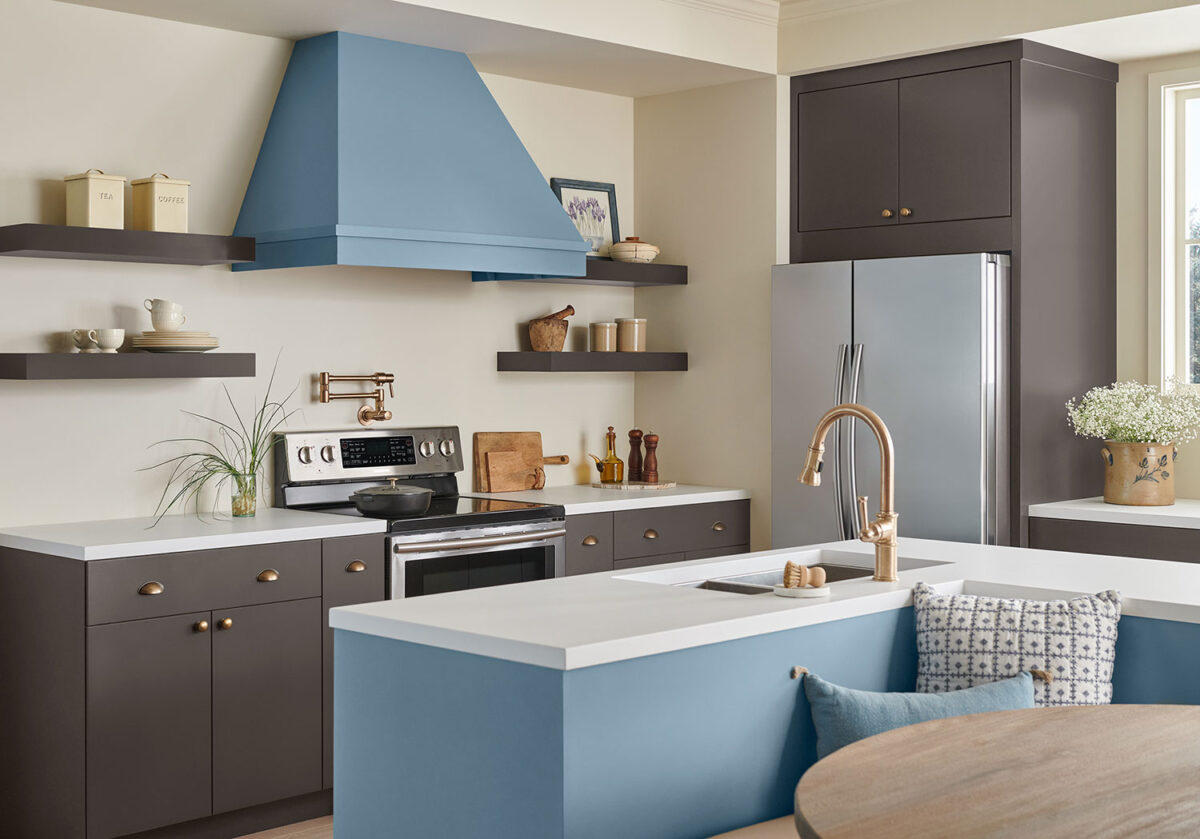
  • Dusty Blue: Cool and refreshing, especially with white or light wood accents.
  • Terracotta or Clay: Adds rustic warmth and depth, perfect for Mediterranean-inspired designs.

🛏️ Bedroom Colors: Calm, Cozy, and Restful

Your bedroom should be a sanctuary—a place to unwind and recharge. The right colors can help promote relaxation and better sleep.

Top Picks:

  • Muted Blues: Like powder or slate blue, known for their calming effect.
  • Lavender or Mauve: Soft and romantic, great for creating a tranquil atmosphere.
  • Warm Neutrals: Taupe, sand, or mushroom tones offer a cozy, grounded feel.
  • Deep Greens: Forest or olive green creates a cocoon-like vibe.
  • Blush Pink: Gentle and comforting, especially in smaller or sunlit rooms.

Finish Tip: Opt for matte or eggshell finishes to reduce glare and enhance softness.

A bedroom in pale blue

🚿 Bathrooms: Refresh & Rejuvenate

Bathrooms benefit from clean, bright colors that evoke freshness and spa-like calm.

Top Color Picks:

  • Cool Grays & Charcoal: Sleek and modern, especially with chrome fixtures.
  • Seafoam or Aqua: Light and airy, perfect for coastal or spa-inspired designs.
  • Crisp White: Classic and clean—ideal for small spaces or minimalist styles.
  • Pale Peach or Coral: Adds warmth and personality without overwhelming.
  • Soft Mint Green: Refreshing and unique, pairs well with white tile.

Pro Tip:

Use satin or semi-gloss finishes to resist moisture and make cleaning easier.

A modern bathroom in pale peach with floating vanity and toilet

🖌️ Final Thoughts

Paint is one of the easiest and most impactful ways to transform your home. By choosing colors that suit each room’s purpose and personality, you’ll create a space that feels cohesive, comfortable, and uniquely yours.

Need help picking the perfect shade or finish? We are here to guide you every step of the way. Need help with the entire project? Call Mike 541-497-3804.

Sherwin-Williams Color Trends 2025

This year, Sherwin-Williams is leaning into warmth, depth, and nature-inspired hues that bring comfort and character to every space. Whether you’re building a house, planning a full remodel or just a weekend refresh, these trending colors offer endless possibilities.

🌿 Interior Color Trends

1. Urbane Bronze SW 7048

  • A rich, earthy brown-gray that adds depth and sophistication.
  • Perfect for accent walls, cabinetry, or cozy reading nooks.

2. Evergreen Fog SW 9130

Living room with muted green walls and a blend of Scandinavian and Japandi style furniture.
  • A calming green-meets-gray tone that’s ideal for bedrooms and living rooms.
  • Pairs beautifully with natural wood and soft textiles.

3. Redend Point SW 9081 (2023 Color of the Year, still trending)

  • A warm blush-beige that brings subtle warmth to any space.
  • Use it in entryways or bathrooms for a welcoming vibe.

4. Naval SW 6244

  • A classic navy that’s bold yet timeless.
  • Great for kitchen islands, built-ins, or dramatic accent walls.

5. Pure White SW 7005

  • A versatile, clean white with just enough warmth.
  • Ideal for trim, ceilings, and pairing with bold colors.

🏡 Exterior Color Trends

1. Iron Ore SW 7069

  • A deep charcoal that’s sleek and modern.
  • Use it for siding, shutters, or front doors to make a statement.

2. Alabaster SW 7008

  • A soft, creamy white that’s perfect for exteriors.
  • Works well with stone, brick, and wood accents.

3. Dried Thyme SW 6186

  • A muted green that blends beautifully with natural landscapes.
  • Ideal for farmhouse-style homes or garden sheds.

4. Tricorn Black SW 6258

  • A bold black that adds drama and elegance.
  • Use it for trim, doors, or modern exteriors.

When Brush Marks are a Good Thing

Brush marks are a desirable feature in home painting when you are intentionally creating a decorative, textured, or rustic finish, rather than a perfectly smooth, modern look. This technique is often used for furniture, accent walls, and other decorative objects where a handmade, tactile quality adds character. 

For decorative painting techniques

When a project is intended to look artistically or decoratively painted, visible brushstrokes are a key part of the aesthetic. 

  • Faux finishes: Techniques like color washing or rag rolling can be used to add texture and depth to walls. Visible, artistic brushstrokes are essential for creating the varied, dynamic patterns of these faux effects.
  • Creating a hand-painted look: For items like furniture, cabinets, or even doors, a subtle, organized brushstroke can convey that the item was painted by hand rather than in a factory. This adds a custom, artisanal feel, especially when using paints like chalk paint. 

For a rustic or traditional aesthetic

A perfectly smooth, glossy finish often feels very modern. In contrast, visible brushstrokes lend a timeless, rustic, or vintage quality to a piece.

  • Country and cottage decor: A more casual and textured finish suits rustic and farmhouse-style homes better than a flawless finish.
  • Weathered effects: Combining visible brushstrokes with techniques like distressing and sanding can create a charming, weathered finish for furniture. 

To add texture and depth

Visible brushstrokes can be used to add visual interest to a surface and make a flat color appear more dynamic.

  • For architectural features: When painting woodwork, such as trim or paneling, using a consistent brushing technique that leaves subtle, parallel lines can define the details of the feature.
  • To create visual interest: The way light catches the texture of the paint can add movement and energy to the surface. This is an effective strategy for making a statement wall or a piece of furniture more eye-catching. 

To make matching easier for future touchup. If you know an area will likely need touchup in the future, it can be easier to match the existing texture if the original was applied by brush.

The Paint Doctors Painting Service 541-497-3804

Drop Cloth Options

Choosing the right drop cloth is an important consideration for any painting project. More than just a protective layer, your drop cloth can impact safety, cleanup time, and the overall quality of your work. Knowing the pros and cons of each type will help you select the best fit for your needs.

1. Canvas drop cloths

The workhorse of the painting world, canvas is the go-to material for many professionals.

Pros

  • Durable and reusable: A high-quality canvas drop cloth can last for years, making it a sustainable and cost-effective investment in the long run.
  • Absorbent: Canvas soaks up paint drips and spills, preventing them from spreading and being tracked through your home.
  • Slip-resistant: Its heavy, textured cotton material provides a stable, non-slip surface underfoot, reducing the risk of accidents.
  • Drapes well: The weight of the canvas allows it to conform to the shape of furniture and floors, ensuring fewer gaps and better coverage.

Cons

  • Cost: Canvas has a higher initial price tag than disposable options.
  • Not waterproof (unless treated): Untreated canvas is absorbent, but it won’t stop a heavy spill from eventually seeping through to the surface below.
  • Heavy and bulky: Larger canvas cloths can be heavy and difficult to move and store, especially once they are covered in dried paint.

2. Plastic drop cloths

For a quick and easy solution, plastic drop cloths are a popular choice, especially for one-time or light-duty jobs.

Pros

  • Inexpensive: Plastic sheeting is the most budget-friendly option and is widely available.
  • Waterproof: It provides a completely waterproof barrier against spills, protecting surfaces from any leaks.
  • Lightweight: Easy to handle, tape, and drape over furniture.
  • Disposable: Perfect for messy jobs—simply fold it up and throw it away when you’re done.

Cons

  • Slippery: Plastic is known for being slippery, creating a potential safety hazard on floors.
  • Prone to tearing: Thin plastic can easily rip or puncture, leaving your floors and furniture vulnerable.
  • Doesn’t absorb: Since it doesn’t absorb paint, spills can pool and be smeared around, creating a larger mess.
  • Environmental impact: As a single-use product, it contributes to landfill waste.

3. Butyl drop cloths

A favorite among painting professionals, butyl drop cloths offer the best of both worlds.

Pros

  • Absorbent and leak-proof: These cloths feature a top layer of absorbent canvas and a thick, leak-resistant poly or butyl backing. This stops spills from seeping through while preventing them from spreading.
  • Slip-resistant: The coated underside provides excellent traction, making it much safer to use on hard, slippery floors.
  • Durable and reusable: Built for heavy-duty use, butyl cloths can be washed and reused for many projects.
  • Reduces tracking: The absorbent top layer prevents you from tracking wet paint across the floor.

Cons

  • Higher cost: Butyl drop cloths are more expensive than standard canvas or plastic options.
  • Bulkier and heavier: The layered material makes these cloths heavier and bulkier to transport and store.

Paper drop cloths

  • Best for: Protecting against minor paint drops and dust, or for covering baseboards and trim.
  • Good to know: A disposable and eco-friendly option compared to plastic, but it is not leak-proof and tears easily.

Fabric drop cloths

  • Best for: Light-duty painting tasks and DIY projects.
  • Good to know: These are a more economical, disposable alternative to canvas, but less absorbent and durable.

How to choose the right drop cloth for your project

ScenarioBest choiceWhy?
Professional painting jobButyl or heavy-duty canvas.Superior protection, durability, and safety, especially on hard floors.
DIY project with occasional paintingCanvas.A reusable, absorbent, and reliable investment that won’t break the bank.
Quick, one-time touch-upsPlastic sheeting.Affordable and disposable, perfect for a fast, low-mess job.
Covering furnitureLightweight plastic sheeting.It’s easy to drape and tape in place, keeping furniture dust-free and protected from light splatter.
Working on stairsNon-slip canvas.Specialty options with rubber nubs on the underside prevent slipping and hold securely.
Outdoor projectsHeavy-duty canvas or thick plastic.Canvas won’t blow away, while thick plastic is ideal for covering landscaping.

Of course, the preferred option is to know someone who has lots of professional grade drop cloths, the Paint Doctor. We bring the protection and everything else needed for first rate paint job. Call the Doctor 541-497-3804.

Avoiding Common DIY Painting Mistakes

So you’ve decided to tackle a painting project yourself? Excellent! DIY painting can be incredibly rewarding, transforming your space with a fresh look and injecting new life into your home. However, to achieve that professional-looking finish you dream of, it’s essential to avoid some common pitfalls that can derail even the most enthusiastic DIY painter. 

1. Skipping surface preparation

This is a common and damaging mistake. Even with the perfect color and paint, the paint won’t adhere properly if the surface isn’t ready, leading to peeling, cracking, or an uneven finish. 

How to avoid it:

  • Clean thoroughly to remove dust, dirt, grease, and grime. A mild detergent or sugar soap solution works well.
  • Repair imperfections by filling in any holes, cracks, or dents with spackle or filler. Sand smooth once dry.
  • Sand glossy surfaces lightly to create a better grip for the paint, and sand patched areas smooth.
  • Prime where necessary. Always use a primer, especially over dark colors, bare wood, new drywall, or patched areas. Primer helps with adhesion, provides a uniform base, and ensures the true color shines through. Products such as Kilz 2 All-Purpose Primer, a water-based, multi-surface primer, sealer, and stain blocker with excellent adhesion and mildew resistance, are ideal for covering stains and enhancing hiding, which potentially reduces the number of topcoats needed. Alternatively, the Zinsser Cover Stain Primer, an oil-based option, offers premium hiding power for both interiors and exteriors. 

2. Using the wrong tools or paint

Using cheap or unsuitable brushes and rollers can lead to an uneven application, streaks, visible roller marks, or bristles shedding into the paint. Similarly, choosing the wrong type of paint for the surface or area can lead to a less than ideal finish or durability issues. 

How to avoid it:

  • Invest in quality tools. Good quality brushes and rollers distribute paint evenly and create a smoother finish. Different brushes are designed for different types of paint and surfaces.
  • Choose the right roller nap. A short nap roller is ideal for smooth walls, while a longer nap works best on textured surfaces.
  • Select appropriate paint. Consider the surface (interior/exterior), the room’s function (e.g., high-traffic areas may need a durable finish like semi-gloss), and the existing paint type (oil-based vs. water-based).
  • Don’t skimp on paint quality. High-quality paints offer better coverage, richer color, and longer-lasting results. 

3. Not testing colors and sheens

A small paint chip in a store can look vastly different on a wall under varying lighting conditions. Choosing the wrong color or sheen can significantly impact the room’s overall ambiance. 

How to avoid it:

  • Sample, sample, sample. Always test small swatches of your chosen colors and finishes on your wall. Observe them at different times of the day and under various lighting conditions to see how they truly appear.
  • Consider the sheen. Glossy finishes are easier to clean but highlight imperfections, while matte finishes conceal flaws but are more susceptible to damage. 

4. Improper application techniques

Rushing the painting process, using too much or too little paint, or using incorrect brush and roller techniques can lead to drips, runs, streaks, and uneven coverage. 

How to avoid it:

  • Don’t overload the brush or roller. Dip brushes about one-third of the way into the paint and roll off excess from rollers.
  • Work in sections, maintain a wet edge. Apply paint with a roller in a “W” or “M” pattern, overlapping strokes and filling in the gaps to ensure even distribution.
  • Use thin, even coats. Avoid thick coats, as they take longer to dry and can cause drips.
  • Allow adequate drying time. Follow the manufacturer’s instructions for drying time between coats.
  • Remove painter’s tape carefully. Remove painter’s tape at a 45-degree angle while the paint is still slightly wet to prevent peeling. 

5. Ignoring environmental conditions

Painting in extreme temperatures or high humidity can significantly affect paint drying and adhesion, leading to defects like blistering, cracking, or uneven drying. 

How to avoid it:

  • Paint in mild conditions. Aim for days with mild temperatures and low humidity, especially for exterior projects.
  • Ensure good ventilation. Open windows or use fans when painting indoors to promote even drying and prevent moisture buildup. 

The best way to avoid making these mistakes is to call the Paint Doctor 541-497-3804.

July 2025 Color of the Month: Storm Cloud

Bring sophisticated style to your space with Storm Cloud, Sherwin-Williams’ July 2025 Color of the Month.

Gray interior scene featuring Sherwin-Williams Storm Cloud


Storm Cloud effortlessly finds the balance between understated drama and simplicity, proving to be an ideal candidate for spaces that need a dose of depth. This rich, dark-toned blue paint color can adapt to various aesthetics, all while adding a touch of elegance and modernity. Storm Cloud’s versatility makes it a great color choice for focus areas like home offices or gathering spaces like dining rooms.

The Power of Paint to Boost Curb Appeal

Make a stunning first impression with the help of a fresh coat of paint

Your home’s exterior is the first thing guests, neighbors, and potential buyers see. It sets the tone for your property and reflects your personal style. A fresh coat of paint is one of the most effective ways to instantly enhance your curb appeal, making a significant impact on how your home is perceived. 

Why is curb appeal important?

Beyond simply looking good, a well-maintained exterior contributes to your home’s overall value. Research suggests that homes with better curb appeal can sell for more than those that appear less inviting. It also sends a message to potential buyers that the home has been well-cared for and maintained, increasing their confidence in the property. 

The transformative power of paint

  • Instantly refreshes: A new paint job instantly breathes life into a tired exterior, covering imperfections and creating a clean, polished look.
  • Updates style: Repainting allows you to update your home’s color scheme and style, giving it a modern and attractive look that reflects your taste and complements its architecture.
  • Highlights architectural features: Strategic color choices can accentuate your home’s unique features, such as trim, windows, or intricate details, enhancing its character and making it stand out. 

Choosing the right colors for curb appeal

When selecting exterior paint colors, consider the following:

  • Home’s architectural style: Different architectural styles lend themselves to different color palettes. For instance, Craftsman-style homes often embrace earthy tones, while modern designs may favor grays, blacks, and whites.
  • Neighborhood aesthetics: Consider the prevalent colors and styles in your neighborhood to choose a color that harmonizes with the surroundings while still reflecting your personality.
  • Permanent features: Consider your roof color and other materials (e.g., brick, stone) when choosing paint colors to ensure a cohesive look.
  • Lighting: Exterior paint colors can appear differently in various lighting conditions. Test samples on different sides of your home at different times of the day to see how they truly look.
  • Professional advice: If you’re feeling overwhelmed, don’t hesitate to consult with experienced painters who can provide valuable insights based on their knowledge of color, architectural styles, and local aesthetics.