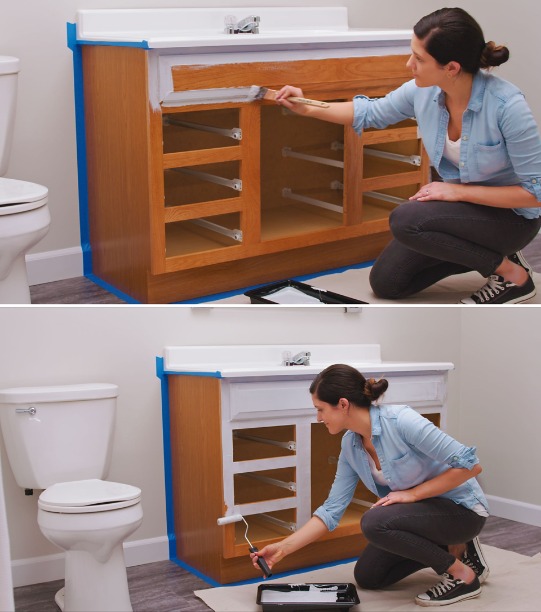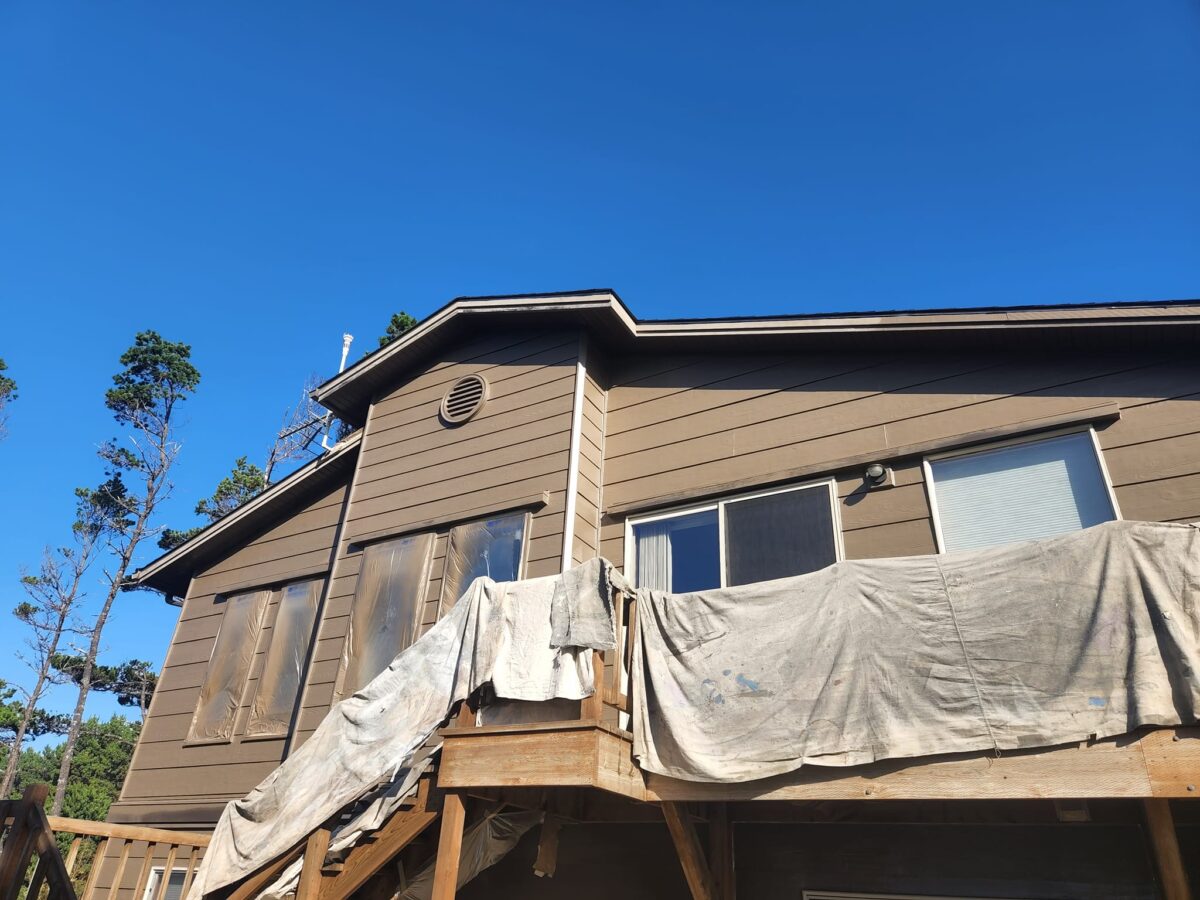
Avoiding Common DIY Painting Mistakes

So you’ve decided to tackle a painting project yourself? Excellent! DIY painting can be incredibly rewarding, transforming your space with a fresh look and injecting new life into your home. However, to achieve that professional-looking finish you dream of, it’s essential to avoid some common pitfalls that can derail even the most enthusiastic DIY painter. 

1. Skipping surface preparation

This is a common and damaging mistake. Even with the perfect color and paint, the paint won’t adhere properly if the surface isn’t ready, leading to peeling, cracking, or an uneven finish. 

How to avoid it:

  • Clean thoroughly to remove dust, dirt, grease, and grime. A mild detergent or sugar soap solution works well.
  • Repair imperfections by filling in any holes, cracks, or dents with spackle or filler. Sand smooth once dry.
  • Sand glossy surfaces lightly to create a better grip for the paint, and sand patched areas smooth.
  • Prime where necessary. Always use a primer, especially over dark colors, bare wood, new drywall, or patched areas. Primer helps with adhesion, provides a uniform base, and ensures the true color shines through. Products such as Kilz 2 All-Purpose Primer, a water-based, multi-surface primer, sealer, and stain blocker with excellent adhesion and mildew resistance, are ideal for covering stains and enhancing hiding, which potentially reduces the number of topcoats needed. Alternatively, the Zinsser Cover Stain Primer, an oil-based option, offers premium hiding power for both interiors and exteriors. 

2. Using the wrong tools or paint

Using cheap or unsuitable brushes and rollers can lead to an uneven application, streaks, visible roller marks, or bristles shedding into the paint. Similarly, choosing the wrong type of paint for the surface or area can lead to a less than ideal finish or durability issues. 

How to avoid it:

  • Invest in quality tools. Good quality brushes and rollers distribute paint evenly and create a smoother finish. Different brushes are designed for different types of paint and surfaces.
  • Choose the right roller nap. A short nap roller is ideal for smooth walls, while a longer nap works best on textured surfaces.
  • Select appropriate paint. Consider the surface (interior/exterior), the room’s function (e.g., high-traffic areas may need a durable finish like semi-gloss), and the existing paint type (oil-based vs. water-based).
  • Don’t skimp on paint quality. High-quality paints offer better coverage, richer color, and longer-lasting results. 

3. Not testing colors and sheens

A small paint chip in a store can look vastly different on a wall under varying lighting conditions. Choosing the wrong color or sheen can significantly impact the room’s overall ambiance. 

How to avoid it:

  • Sample, sample, sample. Always test small swatches of your chosen colors and finishes on your wall. Observe them at different times of the day and under various lighting conditions to see how they truly appear.
  • Consider the sheen. Glossy finishes are easier to clean but highlight imperfections, while matte finishes conceal flaws but are more susceptible to damage. 

4. Improper application techniques

Rushing the painting process, using too much or too little paint, or using incorrect brush and roller techniques can lead to drips, runs, streaks, and uneven coverage. 

How to avoid it:

  • Don’t overload the brush or roller. Dip brushes about one-third of the way into the paint and roll off excess from rollers.
  • Work in sections, maintain a wet edge. Apply paint with a roller in a “W” or “M” pattern, overlapping strokes and filling in the gaps to ensure even distribution.
  • Use thin, even coats. Avoid thick coats, as they take longer to dry and can cause drips.
  • Allow adequate drying time. Follow the manufacturer’s instructions for drying time between coats.
  • Remove painter’s tape carefully. Remove painter’s tape at a 45-degree angle while the paint is still slightly wet to prevent peeling. 

5. Ignoring environmental conditions

Painting in extreme temperatures or high humidity can significantly affect paint drying and adhesion, leading to defects like blistering, cracking, or uneven drying. 

How to avoid it:

  • Paint in mild conditions. Aim for days with mild temperatures and low humidity, especially for exterior projects.
  • Ensure good ventilation. Open windows or use fans when painting indoors to promote even drying and prevent moisture buildup. 

The best way to avoid making these mistakes is to call the Paint Doctor 541-497-3804.

July 2025 Color of the Month: Storm Cloud

Bring sophisticated style to your space with Storm Cloud, Sherwin-Williams’ July 2025 Color of the Month.

Gray interior scene featuring Sherwin-Williams Storm Cloud


Storm Cloud effortlessly finds the balance between understated drama and simplicity, proving to be an ideal candidate for spaces that need a dose of depth. This rich, dark-toned blue paint color can adapt to various aesthetics, all while adding a touch of elegance and modernity. Storm Cloud’s versatility makes it a great color choice for focus areas like home offices or gathering spaces like dining rooms.

The Power of Paint to Boost Curb Appeal

Make a stunning first impression with the help of a fresh coat of paint

Your home’s exterior is the first thing guests, neighbors, and potential buyers see. It sets the tone for your property and reflects your personal style. A fresh coat of paint is one of the most effective ways to instantly enhance your curb appeal, making a significant impact on how your home is perceived. 

Why is curb appeal important?

Beyond simply looking good, a well-maintained exterior contributes to your home’s overall value. Research suggests that homes with better curb appeal can sell for more than those that appear less inviting. It also sends a message to potential buyers that the home has been well-cared for and maintained, increasing their confidence in the property. 

The transformative power of paint

  • Instantly refreshes: A new paint job instantly breathes life into a tired exterior, covering imperfections and creating a clean, polished look.
  • Updates style: Repainting allows you to update your home’s color scheme and style, giving it a modern and attractive look that reflects your taste and complements its architecture.
  • Highlights architectural features: Strategic color choices can accentuate your home’s unique features, such as trim, windows, or intricate details, enhancing its character and making it stand out. 

Choosing the right colors for curb appeal

When selecting exterior paint colors, consider the following:

  • Home’s architectural style: Different architectural styles lend themselves to different color palettes. For instance, Craftsman-style homes often embrace earthy tones, while modern designs may favor grays, blacks, and whites.
  • Neighborhood aesthetics: Consider the prevalent colors and styles in your neighborhood to choose a color that harmonizes with the surroundings while still reflecting your personality.
  • Permanent features: Consider your roof color and other materials (e.g., brick, stone) when choosing paint colors to ensure a cohesive look.
  • Lighting: Exterior paint colors can appear differently in various lighting conditions. Test samples on different sides of your home at different times of the day to see how they truly look.
  • Professional advice: If you’re feeling overwhelmed, don’t hesitate to consult with experienced painters who can provide valuable insights based on their knowledge of color, architectural styles, and local aesthetics. 

How to Prepare a Room for Painting

Or call us!

1. Clear and Clean the Space

  • Remove furniture or push it to the center and cover with plastic sheeting.
  • Take down wall hangings, curtains, and light fixtures.
  • Unscrew outlet and switch covers and store them safely.
  • Clean the walls with mild soap and water to remove dust and grease.

2. Repair Wall Imperfections

  • Fill nail holes and cracks with spackle or filler.
  • Let it dry, then sand smooth with 220-grit sandpaper.
  • For larger repairs, consider using a drywall patch kit.

3. Protect Floors and Fixtures

  • Lay down drop cloths or plastic sheeting to protect floors.
  • Use painter’s tape to mask off trim, windows, and baseboards.
  • Cover furniture and fixtures with plastic or builder’s paper.

4. Prime the Walls (if needed)

  • Apply primer if you’re painting over dark colors or patched areas.
  • Use a brush for edges and a roller for large surfaces.
  • Let it dry completely before painting.

5. Final Touches Before Painting

  • Double-check that everything is taped and covered.
  • Stir your paint thoroughly.
  • Keep rags and water or mineral spirits nearby for quick cleanup.

Or you can call us at 541-497-3804.

When Is the Best Time to Paint Your House?

Painting your home is a major investment, and timing plays a crucial role in achieving a flawless finish that lasts. Choosing the right season, temperature, and weather conditions can make all the difference. Here’s what homeowners should consider when planning their painting project.

Factors That Affect Paint Performance

  1. Temperature Matters – Paint dries best between 50°F and 85°F (10°C–30°C). Too cold, and the paint won’t adhere properly; too hot, and it may dry too fast, leading to cracks.
  2. Humidity Levels – High humidity can slow down drying time and cause paint to bubble. A dry climate ensures a smoother application.
  3. Sunlight Exposure – Direct sunlight can cause paint to dry unevenly, leading to streaks. It’s best to paint in the shade or during cooler parts of the day.
  4. Rain Risk – Painting in rainy conditions or right before rainfall can wash away fresh paint. Always check the forecast!

Best Seasons to Paint Your House

  • Spring – Our Willamette Valley springs can be very wet so timing exterior paint takes some experience.
  • Summer (With Caution) – If temperatures stay within the optimal range, summer can be great. Just avoid extreme heat and direct midday sun.
  • Early Fall – With moderate temperatures and less humidity, can be ideal for exterior painting.
  • Winter (Not Ideal) – Cold temperatures prevent proper drying, so exterior painting is best avoided unless using specialized cold-weather paints.

Final Tips for a Successful Paint Job

  • Choose a wind-free day to prevent debris from sticking to wet paint.
  • Start early in the morning or late afternoon to avoid peak heat.
  • Ensure at least 24 hours of dry weather after painting for the best results.

By selecting the right time to paint, homeowners can achieve a durable, long-lasting finish.

Of course, when you hire the Paint Doctor’s Painting Service, we take care of all of these details. 541-497-3804

The Curb Appeal of Fresh Paint

First impressions matter—especially when it comes to your home’s curb appeal. Whether you’re looking to increase property value, attract potential buyers, or simply take pride in your residence, a fresh exterior paint job can completely transform the way your home is perceived.

The Power of a Fresh Coat

Over time, exposure to the elements can make exterior paint fade, crack, or peel. A new paint job instantly revitalizes your home, giving it a clean, polished look that makes it stand out in the neighborhood.

Benefits of a Well-Painted Exterior:

  • Boosts Property Value – Homes with updated exteriors tend to sell faster and at higher prices.
  • Enhances Visual Appeal – A fresh color scheme can modernize your home and complement its architecture.
  • Protects Against the Elements – High-quality paint acts as a barrier against moisture, UV rays, and other environmental factors that can cause damage.

Choosing the Right Color

Selecting the perfect exterior color is key to maximizing curb appeal. Neutral tones like greys, beiges, and whites provide timeless elegance, while deeper hues like navy or forest green add sophistication. Want a pop of personality? A bold front door can make a memorable statement.

A Small Investment with Big Results

Refreshing your home’s exterior paint is one of the most cost-effective ways to enhance curb appeal. It’s a project that makes an immediate impact while protecting your home for years to come.

If your home’s exterior is looking tired, a fresh coat of paint could be the perfect solution. Ready to transform your curb appeal?

The Power of Paint

Ever walked into a freshly painted room and felt an instant mood boost? That’s no coincidence—color has a profound impact on our emotions, energy, and overall well-being. A fresh coat of paint isn’t just about aesthetics; it’s about creating a space that supports mental clarity, relaxation, and productivity.

Color Psychology: The Secret to a Happier Home

Different colors evoke different emotional responses, making your choice of paint more important than you might realize. For example:

  • Blues and Greens – These hues promote calmness and relaxation, perfect for bedrooms or home offices.
  • Yellows and Oranges – Energetic and cheerful, warm tones bring vitality to kitchens and living spaces.
  • Neutrals – Whites, grays, and beiges provide a sense of balance and sophistication, creating a clean slate for creativity.

The Refresh Effect

Beyond color selection, the simple act of repainting can refresh your environment and mindset. Dull, fading walls can subconsciously drag down your mood, while a crisp new layer of paint can make your space feel brighter, cleaner, and more inviting.

A Productivity Boost

Working from home? Studies show that an intentional use of color can increase focus and efficiency. Soft blues and greens enhance concentration, while subtle pops of energizing colors can keep motivation high.

Transform Your Space, Transform Your Mind

A fresh paint job is more than just an upgrade—it’s an investment in your mental well-being. Whether you’re repainting an entire home or adding an accent wall, the right colors can inspire positivity, relaxation, and creativity. Ready to breathe new life into your space? Call Mike at 541-497-3804

Must-Have DIY Painting Supplies

Paint – Choose the right type and finish for your project.

Paint Rollers & Brushes – Rollers for large surfaces, brushes for detailed work.

Painter’s Tape – Helps create clean edges and protects trim.

Drop Cloths or Plastic Sheets – Keeps floors and furniture paint-free.

Paint Tray – Holds paint for easy roller loading.

Sandpaper or Sanding Block – Preps surfaces for a smooth finish.

Stir Sticks – Ensures even color consistency.

Putty & Putty Knife – Repairs holes and imperfections before painting.

Primer – Helps paint adhere better and last longer.

Gloves & Mask – Protects hands and lungs during the job.

Of course, you don’t need any of this stuff if you give us a call: 541-497-3804

Shiitake, May 2025 Color of the Month

Add a touch of cozy elegance with Shiitake, Sherwin-Williams’ May 2025 Color of the Month.

An adaptable stone gray, Shiitake strikes a balance between composed and casual.

April 2025 Color of the Month


“Equal parts eye-catching and elevated, Caribbean Coral brings out your natural side. This rich and expressive hue instantly adds a dose of character, giving any room the ability to feel relaxed and lived in. Caribbean Coral’s versatility transcends modern and historic spaces alike, adding a sense of warmth to neutral color stories. Style this shade with plants, stone centerpieces, modern furniture and minimalist artwork,” says Sherwin-Williams.

Express yourself with a whole new color scheme. Call Mike 541-497-3804

Sherwin-Williams color of the month for April 2025: Caribbean Coral
Caribbean Coral, Sherwin-Williams color of the month for April 2025
One of the many warm colors available from Sherwin-Williams that can be applied by Paint Doctor's Painting Service in Albany, Oregon.